Description
A triterpenoid extract from Olive leaf (Olea europaea) standardized to maslinic acid content. Maslinic acid is a pentacyclic triterpene that accumulates in olive fruit skin and leaves, with documented bioactivity profile distinct from the phenolic compounds (hydroxytyrosol, oleuropein) more commonly associated with olive products.
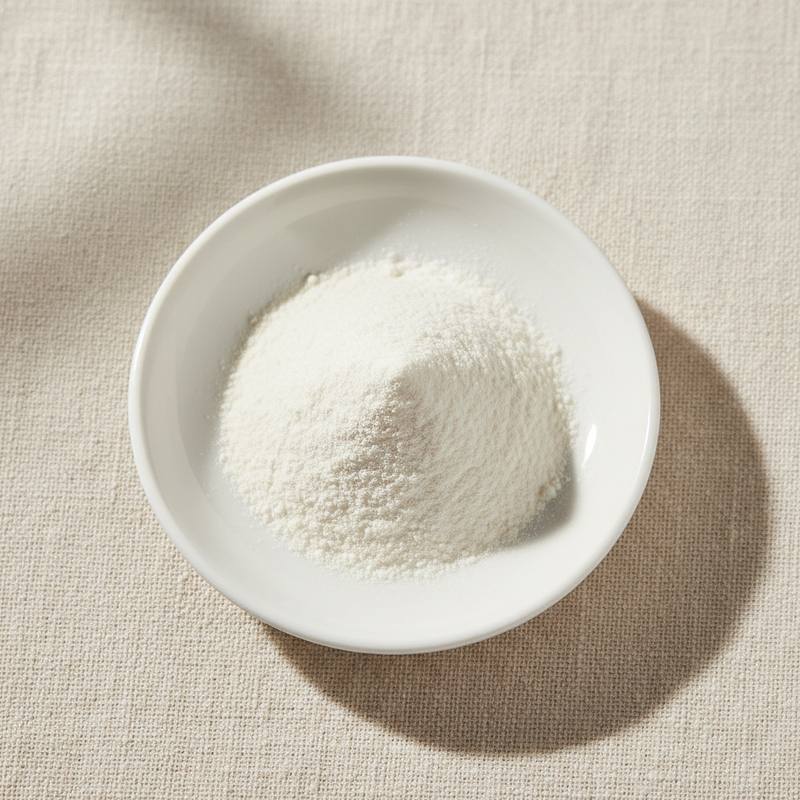
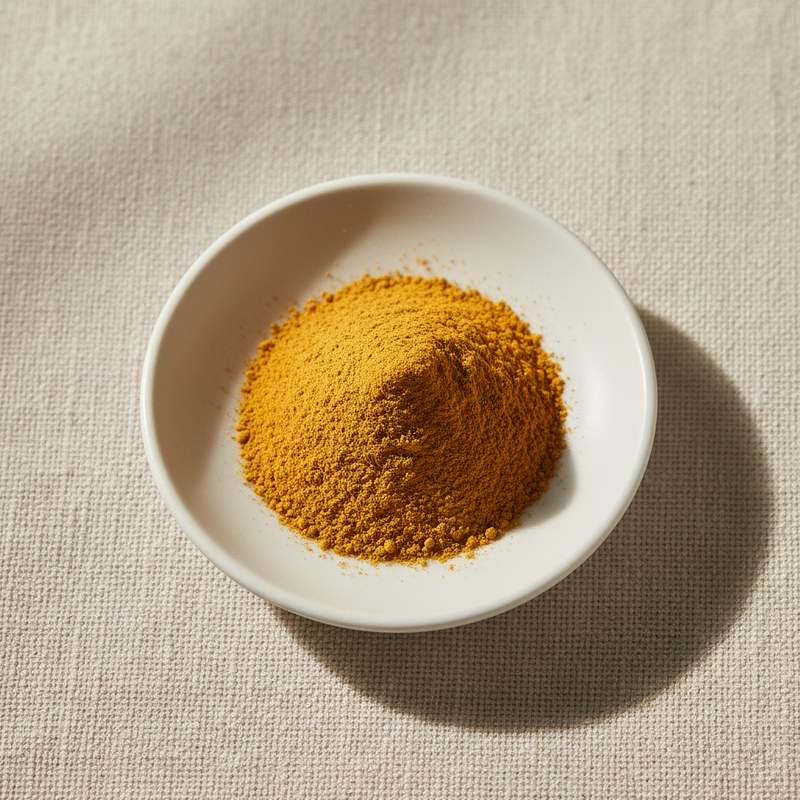
Off-white to light yellow free-flowing powder. Limited water solubility; freely soluble in alcohol.
We supply food-grade Olive Leaf Maslinic Acid Extract from manufacturers in China holding ISO, Halal, Kosher and other certifications relevant to the product and production.
Companion market grades include 20 percent Maslinic Acid (cost-effective baseline), 40 percent Maslinic Acid (standard supplement grade), 60 percent Maslinic Acid (premium grade), and Pure Maslinic Acid 98 percent or higher (the high-end pharmaceutical-feedstock grade).
Bulk and reduced-MOQ shipments. Batch-level COA covering maslinic acid content (HPLC), oleanolic acid content, total triterpenes, residual solvents, heavy metals, and microbiology.
Introduction
Maslinic acid was identified as a significant minor constituent of olive products in the mid-20th century, with substantial pharmacological research developing from the 1990s onward. The compound is closely related structurally to oleanolic acid but with differentiated biological activity.
Industrial production proceeds by ethanol extraction of dried Olive leaves followed by chromatographic purification, or by isolation from olive pomace (the solid co-product of olive oil production). High-purity grades require multiple recrystallization and chromatographic steps.
Recognized as a permitted food ingredient by the U.S. FDA (Novel Food approval) and the European Food Safety Authority. Subject to ongoing regulatory review in some jurisdictions.
Clinical evidence for maslinic acid in sports-nutrition applications is among the strongest for olive-derived ingredients, with controlled trials supporting muscle-protein-synthesis and athletic-recovery endpoints. The compound's mechanism involves glutaminase inhibition and modulation of muscle-anabolic signaling pathways distinct from conventional muscle-building supplements.
Strategic positioning targets the sports nutrition and sarcopenia-positioned supplement segments specifically, where the differentiated mechanism and clinical evidence base support price premiums over conventional muscle-recovery ingredients.
Where it is used
- Sports nutrition: muscle-protein-synthesis and recovery-positioned formulations (the leading clinically-supported application)
- Joint-support and anti-inflammatory dietary supplements
- Metabolic-health supplement formulations
- Premium anti-aging and longevity supplements
- Sarcopenia-positioned supplements for older-adult muscle health
- Pharmaceutical research applications
- Cosmetic skincare: anti-aging and barrier-support formulations
Technical data
| Item | Specification |
|---|---|
| Appearance | Off-white to light yellow free-flowing powder |
| Maslinic acid content (HPLC) | 20% / 40% / 60% / 98% (grade dependent) |
| Oleanolic acid content | typically 10 to 20% (standard grades) |
| Loss on drying | ≤ 5.0% |
| Residue on ignition | ≤ 5.0% |
| Heavy metals (as Pb) | ≤ 2 mg/kg |
| Total plate count | ≤ 1000 cfu/g |
| Source | Olea europaea leaves or olive pomace |
Related ingredients
Ready to discuss business?
Send us your spec and requirement. We will respond with availability and pricing within 24 hours.