Description
A simple ortho-diphenol present in olive fruit, olive oil, and olive-mill wastewater, and a primary contributor to the cardiovascular benefits associated with the Mediterranean diet. Industrial supply is recovered from olive-mill byproducts or produced by enzymatic conversion of tyrosol or oleuropein.
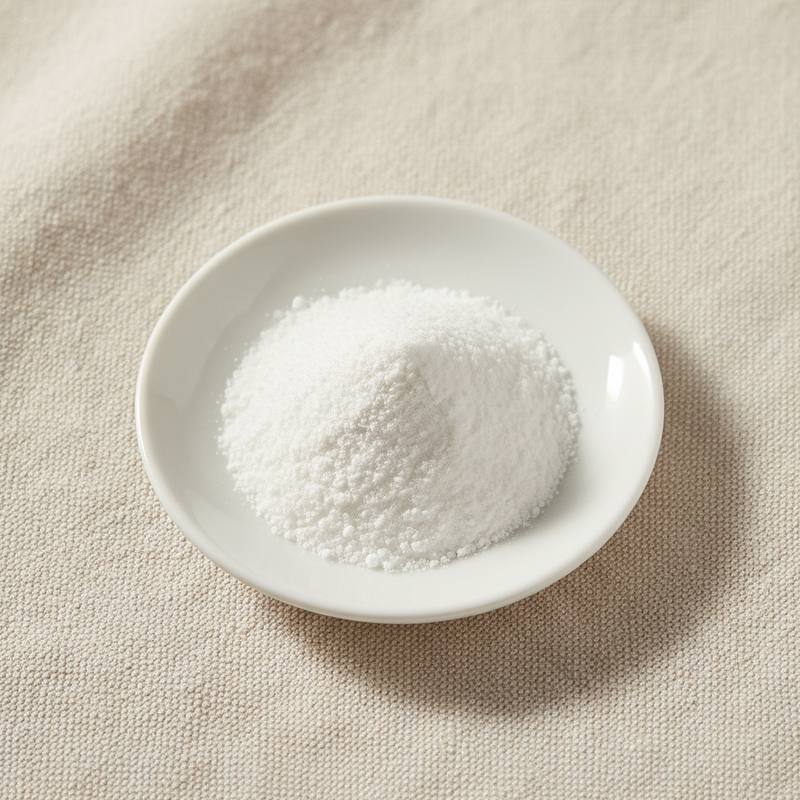
Light yellow to brownish viscous liquid or powder, depending on formulation. The pure free compound is hygroscopic and oxidation-sensitive; commercial supplement-grade material is typically supplied as a standardised olive extract or as a spray-dried powder on a carrier matrix.
We supply food-grade Hydroxytyrosol from manufacturers in China holding ISO, Halal, Kosher and other certifications relevant to the product and production. Material is sourced from olive-mill byproduct streams in Mediterranean countries through partner consolidators and finished in China for the supplement market.
Common market grades include 6 percent, 10 percent, 20 percent, and 40 percent Hydroxytyrosol standardised by HPLC (olive extract grades), and 98 percent purity material produced by enzymatic synthesis for the premium-supplement and cosmetic channels. Customised olive-polyphenol blends are available to match specific clinical-claim profiles.
Bulk and reduced-MOQ shipments. Batch-level COA covering Hydroxytyrosol content, total olive polyphenol content, oleuropein and tyrosol companion polyphenols, residual solvents, heavy metals, and microbiology.
Introduction
Hydroxytyrosol was identified as the principal phenolic antioxidant of olive oil in the 1990s, when European nutritional research began to characterise the components responsible for the cardiovascular benefits documented in epidemiological studies of Mediterranean dietary patterns.
Commercial production proceeds by two routes. The first is recovery from olive-mill wastewater (the aqueous byproduct of olive-oil pressing, historically a disposal problem) by membrane filtration and chromatographic purification, which delivers a natural olive-extract profile rich in Hydroxytyrosol, oleuropein, tyrosol, and verbascoside. The second is enzymatic synthesis from tyrosol using engineered tyrosinase, which delivers high-purity free Hydroxytyrosol at a higher per-gram cost.
Recognised as Generally Recognized as Safe by the U.S. FDA (GRAS notices accepted for both olive-extract and synthetic material), approved as a Novel Food in the EU (EFSA opinion 2017 for synthetic Hydroxytyrosol), and approved as a Health Food monograph ingredient in China. The EU approved health claim 432/2012 on protection of LDL cholesterol from oxidative damage requires 5 mg of olive-oil hydroxytyrosol and related compounds per 20 g of olive oil, which has anchored the supplement category.
The principal bioactive mechanism is direct radical scavenging by the catechol (ortho-diphenol) chromophore, supplemented by inhibition of platelet aggregation, modulation of nitric oxide synthase, and downregulation of NF-kappaB inflammatory signalling. The cardiovascular position is the strongest supported by clinical evidence.
Hydroxytyrosol bioavailability is substantially higher than for other dietary polyphenols, with plasma appearance within 30 minutes of oral dosing and conjugation to glucuronide and sulfate metabolites that retain meaningful antioxidant activity. This pharmacokinetic profile supports the position of the ingredient as a foundational cardiovascular polyphenol.
Where it is used
- Cardiovascular and lipid-oxidation supplements; the EU has an approved health claim for olive-oil polyphenols at 5 mg per day
- Anti-aging and longevity supplements; widely positioned as a Mediterranean-diet-in-a-capsule ingredient
- Anti-inflammatory and joint-support formulations
- Skin-care and cosmetic formulations including topical anti-aging serums
- Eye-health supplements often paired with lutein and bilberry
- Metabolic-syndrome and diabetes-adjunct formulations
- Sports nutrition products for endurance and recovery positioning
- Liver-support supplements and detoxification stacks
- Functional beverages and wellness drinks in the Mediterranean-diet positioning
Technical data
| Item | Specification |
|---|---|
| Appearance | Light yellow to brownish powder or viscous liquid |
| Hydroxytyrosol content (HPLC) | ≥ 10.0% (6%, 20%, 40%, and 98% grades available) |
| Total olive polyphenols | ≥ 25.0% (olive-extract grades) |
| Loss on drying | ≤ 5.0% |
| Total ash | ≤ 5.0% |
| Heavy metals (as Pb) | ≤ 3 mg/kg |
| Arsenic | ≤ 1 mg/kg |
| Pesticide residues | Meets EU 396/2005 default limits |
| Residual solvents (ethanol) | Meets ICH Q3C limits |
| Microbiology | Total plate count ≤ 10,000 CFU/g; absence of Salmonella and E. coli |
Related ingredients
Ready to discuss business?
Send us your spec and requirement. We will respond with availability and pricing within 24 hours.