Description
An extract from the root bark of White Mulberry (Morus alba), known as sang bai pi in Traditional Chinese Medicine. Standardized to 1-deoxynojirimycin (DNJ) content, an alpha-glucosidase inhibitor that slows carbohydrate digestion. Distinct from Mulberry Leaf Extract (a related but separate product) and Mulberry Fruit Extract.
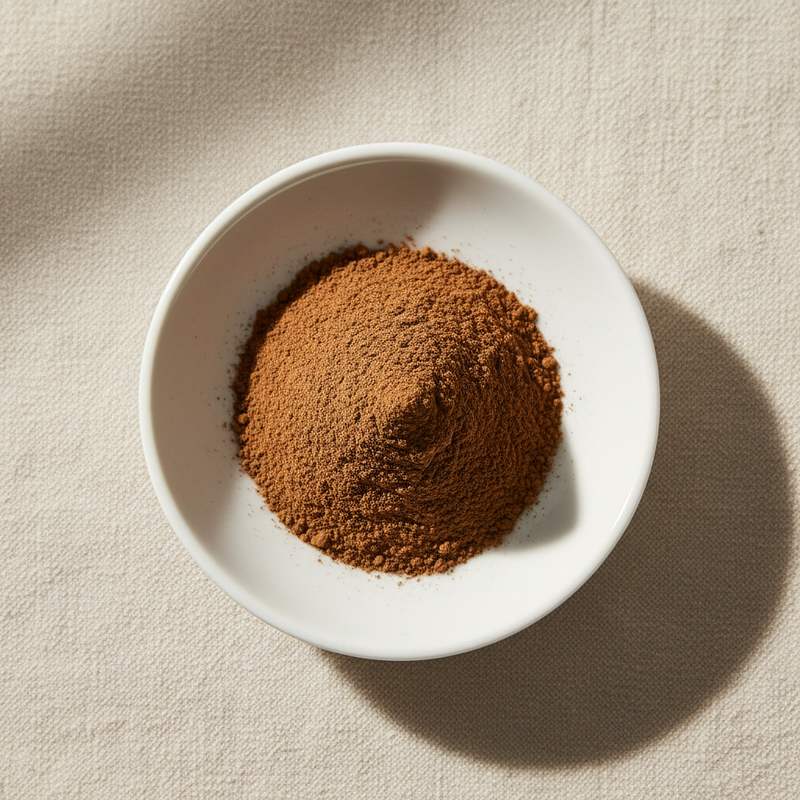
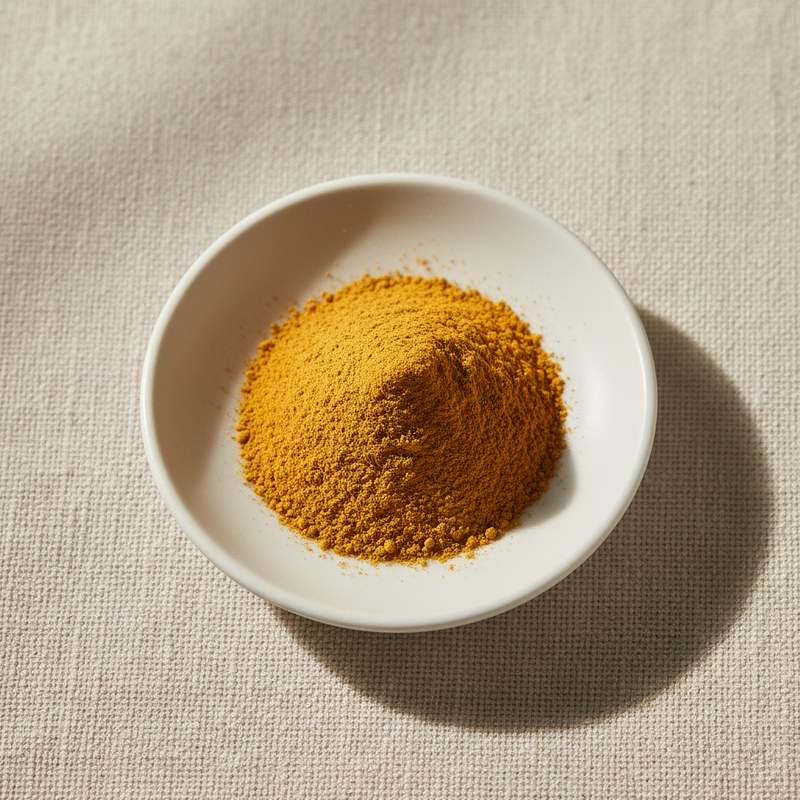
Light yellow to brown free-flowing powder.
We supply food-grade Mulberry Bark Extract from manufacturers in China holding ISO, Halal, Kosher and other certifications relevant to the product and production.
Common market grades include 1 percent DNJ (standard supplement grade), 2 percent DNJ (premium grade), 5 percent DNJ (high-end grade), and Mulberry Bark 10:1 ratio extract for traditional medicine applications.
Bulk and reduced-MOQ shipments. Batch-level COA covering DNJ content (HPLC), herb-to-extract ratio, residual solvents, heavy metals, pesticides, and microbiology.
Introduction
White Mulberry root bark (sang bai pi) has been used in Traditional Chinese Medicine for over 2,000 years, primarily for cough, asthma, and edema. Modern characterization identified 1-deoxynojirimycin (DNJ), an iminosugar alpha-glucosidase inhibitor, as a key active responsible for blood-sugar-modulating activity. The compound was originally identified in mulberry alongside development of structurally-related pharmaceutical alpha-glucosidase inhibitors (acarbose, miglitol).
Industrial production proceeds by hot-water and ethanol extraction of dried mulberry root bark, followed by purification and standardization to defined DNJ content. The bark is also a parallel source of DNJ alongside mulberry leaves; bark grades typically command modest premiums for higher DNJ content per gram.
Recognized as a permitted food ingredient by the U.S. FDA, the European Food Safety Authority, and equivalent regulators worldwide. Approved as a Traditional Chinese Medicine in China.
Clinical evidence supports modest postprandial blood-glucose reduction at appropriate doses, consistent with the alpha-glucosidase inhibition mechanism. The effect is smaller than pharmaceutical inhibitors but suitable for blood-sugar-support supplement positioning in the metabolic-health segment.
Strategic positioning targets blood-sugar-support and metabolic-health supplements globally, with secondary applications in traditional medicine and emerging cosmetic uses.
Where it is used
- Blood-sugar-support dietary supplements (the dominant commercial application)
- Pre-meal and carb-blocker positioned weight-management supplements
- Diabetes-support and metabolic-health supplement formulations
- Traditional Chinese Medicine: sang bai pi formulations for respiratory and edema applications
- Functional beverages: post-meal wellness shots and blood-sugar-support drinks
- Cosmetic skincare: brightening and anti-pigmentation formulations
- Pharmaceutical research applications including diabetes adjuvant research
Technical data
| Item | Specification |
|---|---|
| Appearance | Light yellow to brown free-flowing powder |
| 1-Deoxynojirimycin (HPLC) | 1% / 2% / 5% (grade dependent) |
| Herb-to-extract ratio | 10:1 (traditional medicine grade) |
| Loss on drying | ≤ 5.0% |
| Residue on ignition | ≤ 8.0% |
| Heavy metals (as Pb) | ≤ 2 mg/kg |
| Total plate count | ≤ 10000 cfu/g |
| Source | Morus alba root bark |
Related ingredients
Ready to discuss business?
Send us your spec and requirement. We will respond with availability and pricing within 24 hours.