Description
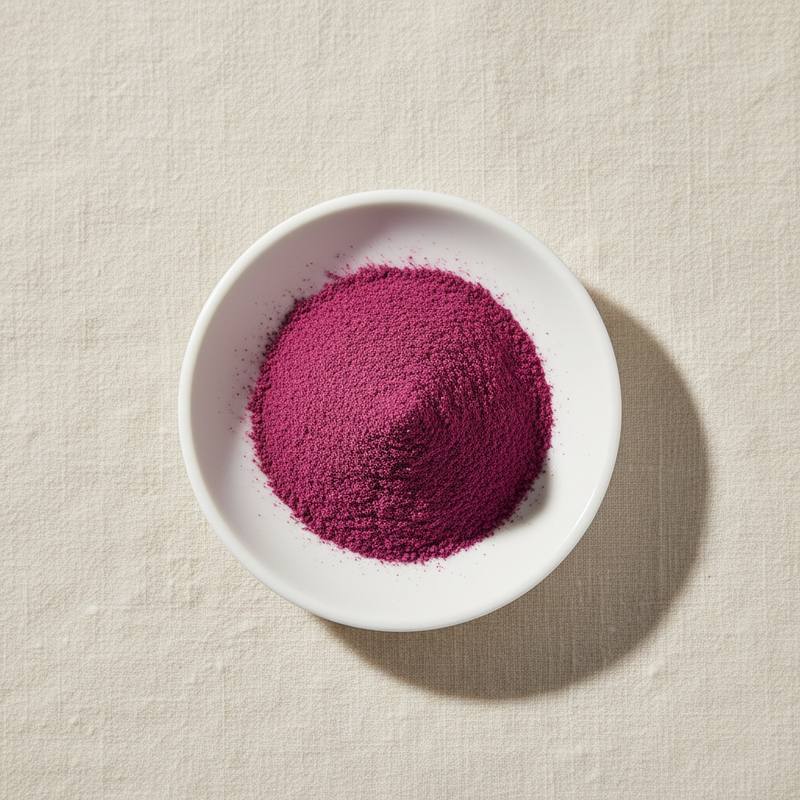
An extract from the ripe fruit of Mulberry (Morus alba, white mulberry, or Morus nigra, black mulberry). Standardized to anthocyanin content (the principal pigment and antioxidant fraction). Used in antioxidant supplements, natural food colorants, and functional beverages.
Reddish-purple to dark purple free-flowing powder. Highly water-soluble.
We supply food-grade Mulberry Fruit Extract from manufacturers in China holding ISO, Halal, Kosher and other certifications relevant to the product and production.
Common market grades include 5 percent Anthocyanins (cost-effective baseline), 10 percent Anthocyanins (standard supplement grade), 25 percent Anthocyanins (premium grade), and Spray-Dried Juice Powder (lower-anthocyanin content food-fortification grade).
Bulk and reduced-MOQ shipments. Batch-level COA covering anthocyanin content (UV or HPLC, primarily cyanidin-3-glucoside), residual solvents, heavy metals, pesticides, and microbiology.
Introduction
Mulberry has been cultivated in China for over 5,000 years, originally primarily for sericulture (silkworm feed via leaves), with the fruit and root bark serving secondary roles in food and traditional medicine. Mulberry fruit (sang shen in Traditional Chinese Medicine) is used for blood-tonification, vision support, and kidney-yin nourishment in classical formulations.
Industrial production proceeds by hot-water extraction of ripe mulberry fruit, followed by concentration, decolorization (for some grades), and spray-drying. Anthocyanin yield varies substantially between species: black mulberry (M. nigra) provides higher anthocyanin content than white mulberry (M. alba), though both species are commercially exploited.
Recognized as a permitted food ingredient by the U.S. FDA, the European Food Safety Authority, and equivalent regulators worldwide. Approved as a natural food colorant in most jurisdictions.
Anthocyanin clinical evidence parallels the bilberry, elderberry, and blackcurrant literature, supporting antioxidant and vascular-protective effects at appropriate doses. Cost per mg anthocyanin is favorable relative to bilberry and elderberry, supporting positioning in cost-driven antioxidant applications.
Strategic positioning serves antioxidant supplements, natural food colorant applications, and Traditional Chinese Medicine formulations.
Where it is used
- Antioxidant dietary supplements positioned around polyphenol content
- Eye-health supplements (anthocyanins parallel bilberry positioning for vision support)
- Natural food colorant in beverage, confectionery, and dairy applications
- Functional beverages: superfruit drinks and antioxidant shots
- Cosmetic skincare: antioxidant and brightening formulations
- Beauty-from-within supplements and gummies
- Traditional Chinese Medicine: sang shen formulations
- Sports nutrition: recovery and antioxidant-positioned products
Technical data
| Item | Specification |
|---|---|
| Appearance | Reddish-purple to dark purple free-flowing powder |
| Anthocyanin content (UV) | 5% / 10% / 25% (grade dependent) |
| Cyanidin-3-glucoside (HPLC) | ≥ 60% of total anthocyanins |
| Loss on drying | ≤ 6.0% |
| Residue on ignition | ≤ 8.0% |
| Heavy metals (as Pb) | ≤ 2 mg/kg |
| Total plate count | ≤ 10000 cfu/g |
| Source | Morus alba or Morus nigra ripe fruit |
Related ingredients
Ready to discuss business?
Send us your spec and requirement. We will respond with availability and pricing within 24 hours.