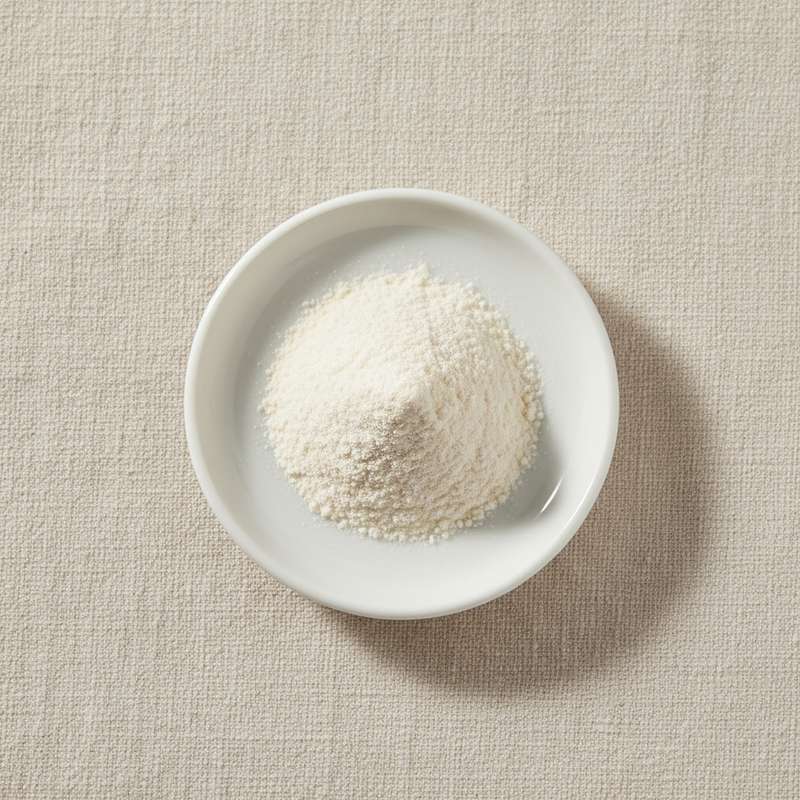
Description
Lactase (beta-galactosidase) is a glycoside hydrolase that cleaves lactose into glucose and galactose. It is the enzyme that produces lactose-free milk and the foundation of the global lactose-free dairy category.
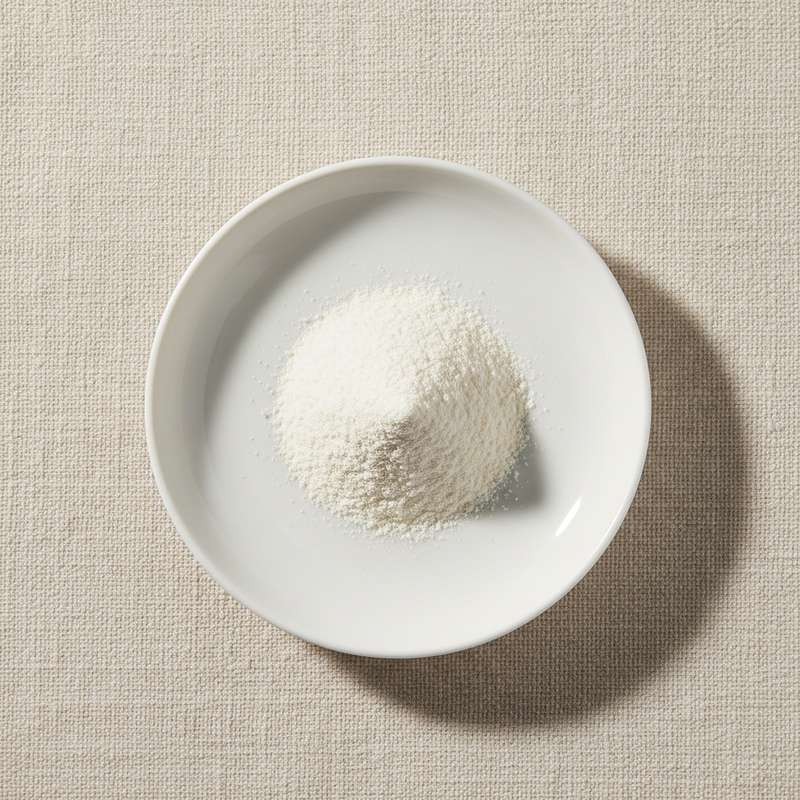
Pale yellow to amber liquid for direct dosing into milk lines, or off-white powder for dry blends and consumer enzyme products. Activity is standardised in Neutral Lactase Units (NLU) for neutral-pH dairy applications or Acid Lactase Units (ALU) for low-pH applications.
We supply food-grade Lactase from manufacturers in China holding ISO 22000, FSSC 22000, Halal, Kosher and other certifications relevant to the product and production. Neutral lactase from Kluyveromyces lactis and Kluyveromyces marxianus serves the fluid-milk segment; acid lactase from Aspergillus oryzae and Aspergillus niger serves whey and acidic-application segments.
Common market grades include 5,000 NLU/g standard liquid for dairy processing, 50,000 NLU/g concentrated liquid for in-line milk dosing, 100,000 NLU/g high-purity liquid, and acid lactase 10,000 to 30,000 ALU/g for whey hydrolysis.
Bulk and reduced-MOQ shipments. Batch-level COA covering activity, pH optimum, temperature optimum, protease side activity, heavy metals and microbiology.
Introduction
Lactase deficiency affects an estimated 65 to 70 percent of the global adult population, with prevalence ranging from below 10 percent in northern European populations to above 90 percent in parts of East Asia, sub-Saharan Africa and the Americas. This demographic reality drives the multibillion-dollar lactose-free dairy market.
Industrial production of lactase started with Kluyveromyces marxianus and Kluyveromyces lactis yeast fermentation in the 1960s, scaled in the 1980s alongside the emergence of lactose-free milk in northern Europe and the United States. Aspergillus-derived acid lactase reached commercial scale during the same period and serves the whey valorisation segment.
The enzyme is Generally Recognized as Safe by the U.S. FDA from approved source organisms, listed in the JECFA enzyme compendium, and approved as a processing aid in the EU. No Acceptable Daily Intake is assigned.
Mechanistically, lactase hydrolyses the beta-1,4-glycosidic bond between glucose and galactose in lactose. At elevated lactose concentrations and controlled conditions the same enzyme catalyses transgalactosylation, producing galactooligosaccharides, which is the basis of commercial GOS prebiotic manufacture.
Strategic positioning in industrial food processing has expanded from a niche lactose-intolerance solution to a mainstream sweetness enhancer: lactase-hydrolysed milk tastes naturally sweeter because glucose and galactose are sweeter than the parent lactose, which reduces or eliminates added-sugar requirements in flavoured milks and yogurts.
Where it is used
- Lactose-free fluid milk and UHT milk; the core enzyme of the lactose-free dairy category
- Lactose-free yogurt, cream, ice cream and frozen desserts
- Sweetened condensed milk lactose crystallisation control; prevents sandy texture
- Whey hydrolysis to produce sweet syrups from cheese-industry whey waste streams
- Galactooligosaccharide (GOS) production by transgalactosylation; prebiotic ingredient manufacture
- Lactose-free infant formula and clinical nutrition products
- Bakery products positioned as lactose-free
- Consumer enzyme tablets and drops sold over-the-counter for lactose intolerance
Technical data
| Item | Specification |
|---|---|
| Appearance | Pale yellow to amber liquid or off-white powder |
| Activity (neutral liquid) | 5,000 to 100,000 NLU/g or per customer specification |
| Activity (acid liquid) | 10,000 to 30,000 ALU/g |
| pH optimum (neutral) | 6.5 to 7.5 |
| pH optimum (acid) | 4.0 to 5.5 |
| Temperature optimum | 35 °C to 50 °C |
| Moisture (powder) | ≤ 8.0% |
| Heavy metals (as Pb) | ≤ 10 mg/kg |
| Arsenic | ≤ 3 mg/kg |
| Total plate count | ≤ 50,000 CFU/g |
| Coliforms | ≤ 30 CFU/g |
| Salmonella | Absent in 25 g |
| E. coli | Absent in 25 g |
| Source organism | Kluyveromyces lactis, Kluyveromyces marxianus, Aspergillus oryzae or Aspergillus niger |
Related ingredients
Ready to discuss business?
Send us your spec and requirement. We will respond with availability and pricing within 24 hours.