Description
The free-acid form of glutamate, the parent compound from which monosodium glutamate (MSG, the world's largest-volume flavor ingredient) is produced. Also serves directly in pharmaceutical applications and as a precursor for theanine biosynthesis.
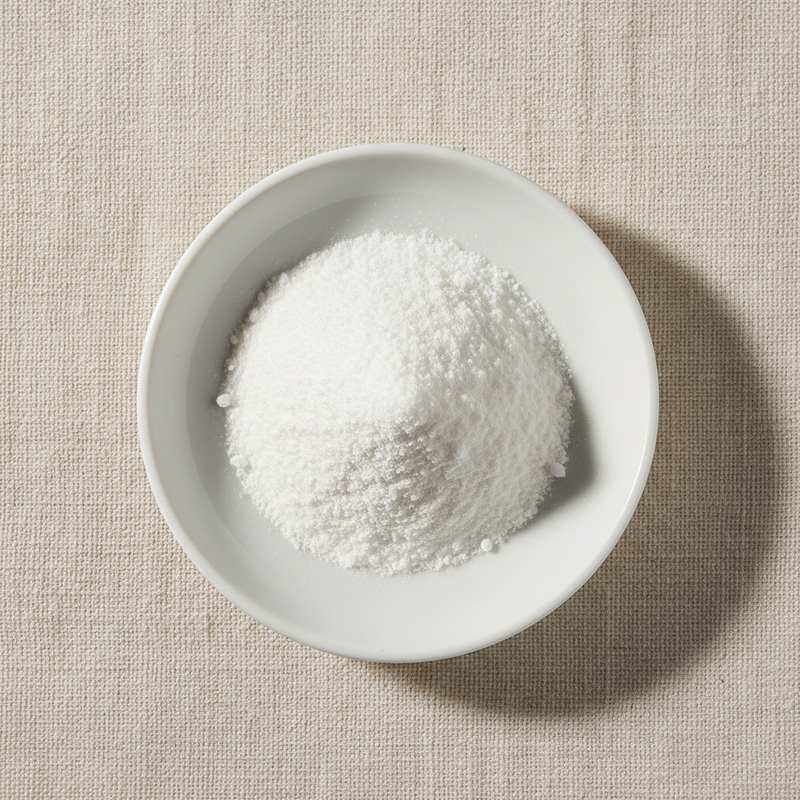
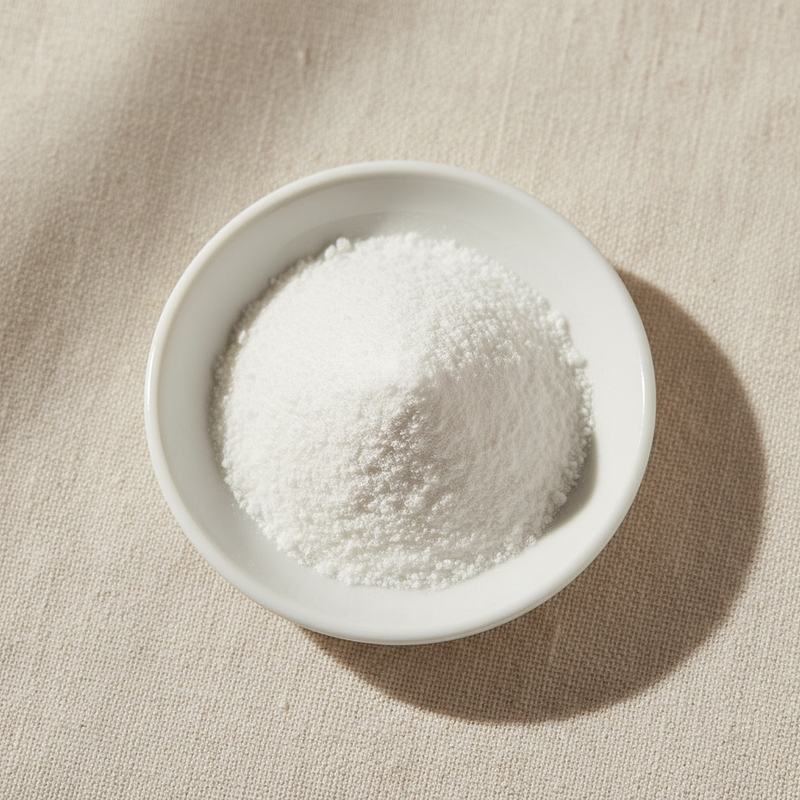
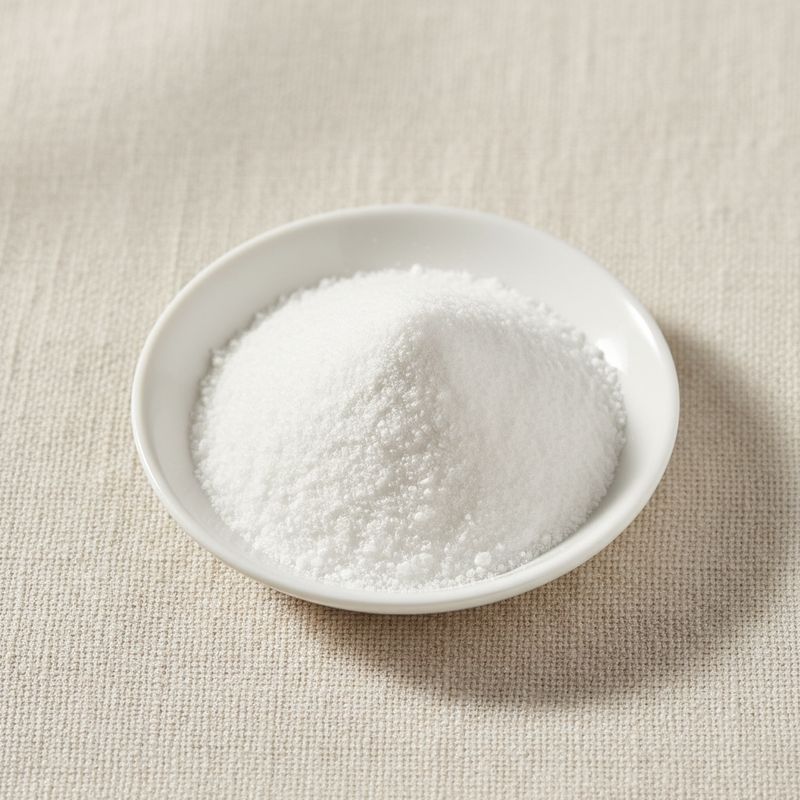
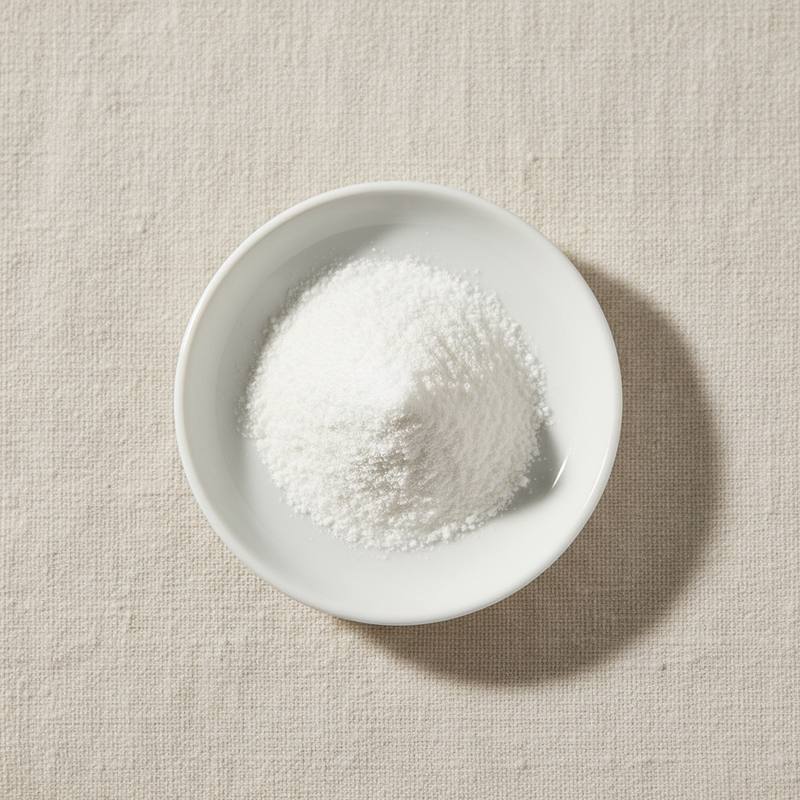
White crystalline powder. Limited water solubility (the source of the acid-form name; the sodium salt MSG is preferred for finished food applications due to superior solubility).
We supply food-grade and pharmaceutical-grade L-Glutamic Acid from manufacturers in China holding ISO, Halal, Kosher and other certifications relevant to the product and production.
Common market grades include Standard Food Grade (FCC compliant), MSG-Synthesis Grade (used as feedstock for sodium glutamate manufacturing), Pharmaceutical Grade meeting BP/USP/EP/JP specifications, and pre-blended Glutamic Acid systems for specialty applications.
Bulk and reduced-MOQ shipments. Batch-level COA covering assay, specific rotation, related amino acids, heavy metals, and microbiology.
Introduction
L-Glutamic Acid was discovered in 1866 and its role as the umami taste molecule was characterized by Japanese chemist Kikunae Ikeda in 1908. The compound is the most abundant amino acid produced commercially globally, with annual production exceeding 3 million tonnes (the vast majority converted to monosodium glutamate for food use).
Industrial production proceeds by submerged aerobic fermentation using Corynebacterium glutamicum on glucose feedstock, yielding L-Glutamic Acid in fermentation broth that is then purified by crystallization or converted directly to the sodium salt MSG.
Recognized as a permitted food ingredient by the U.S. FDA, the European Food Safety Authority, and equivalent regulators worldwide. Listed in BP, USP, EP, and JP pharmacopoeias. The compound and its sodium salt are among the most extensively studied food ingredients in terms of safety, with consistent reaffirmation of safety status by every major regulatory body.
L-Glutamic Acid is the largest amino acid in the human body by mass abundance, both as free amino acid in muscle and as a component of protein. It functions as the principal excitatory neurotransmitter in the central nervous system and as a major nitrogen carrier in cellular metabolism.
Strategic positioning is dominated by MSG manufacturing (catalog id 7964 covers the sodium salt directly). The free-acid form serves pharmaceutical, chemical-synthesis, and specialty food applications.
Where it is used
- MSG manufacturing feedstock: the largest single global use by a wide margin
- Pharmaceutical applications: parenteral nutrition, hepatic-support formulations
- Dietary supplements: digestive-support and amino-acid blend formulations
- Animal feed: aquaculture and specialty livestock applications
- Specialty chemical synthesis: feedstock for theanine and glutathione manufacturing
- Cosmetic skincare formulations
- Specialty pet food and palatability applications
Technical data
| Item | Specification |
|---|---|
| Appearance | White crystalline powder |
| Assay (dry basis) | 98.5% to 101.0% |
| Specific rotation | +31.5° to +32.5° |
| Loss on drying | ≤ 0.5% |
| Residue on ignition | ≤ 0.1% |
| Heavy metals (as Pb) | ≤ 10 mg/kg |
| Chloride | ≤ 0.05% |
| Particle size | Per customer specification |
Related ingredients
Ready to discuss business?
Send us your spec and requirement. We will respond with availability and pricing within 24 hours.