Description
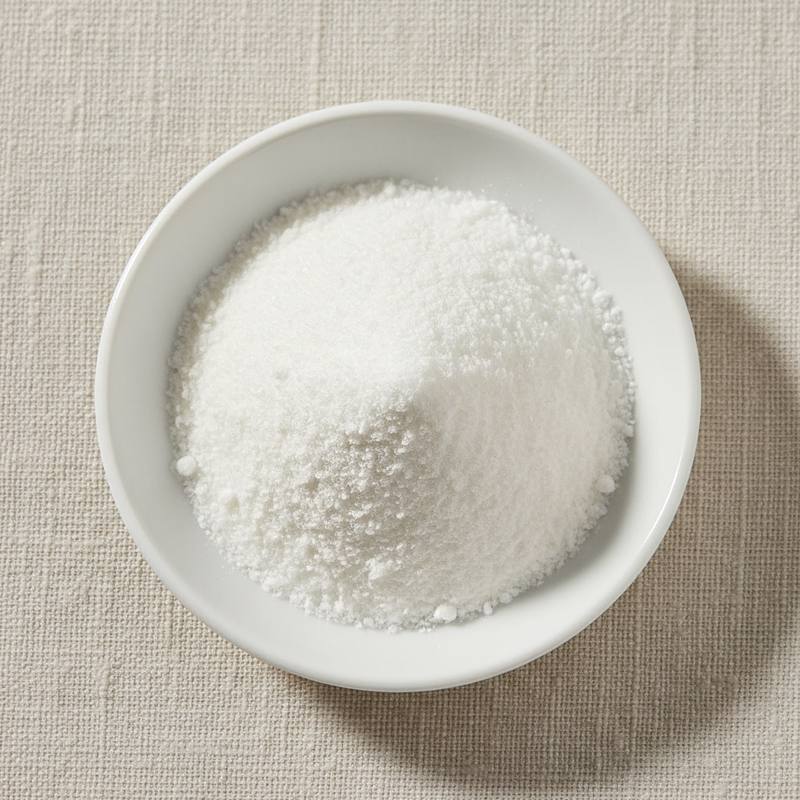
The principal sugar of mammalian milk, a disaccharide of glucose and galactose. Approximately 16 percent the sweetness of sucrose with a clean, mild profile that does not mask other flavors. Available in α-monohydrate and anhydrous forms.
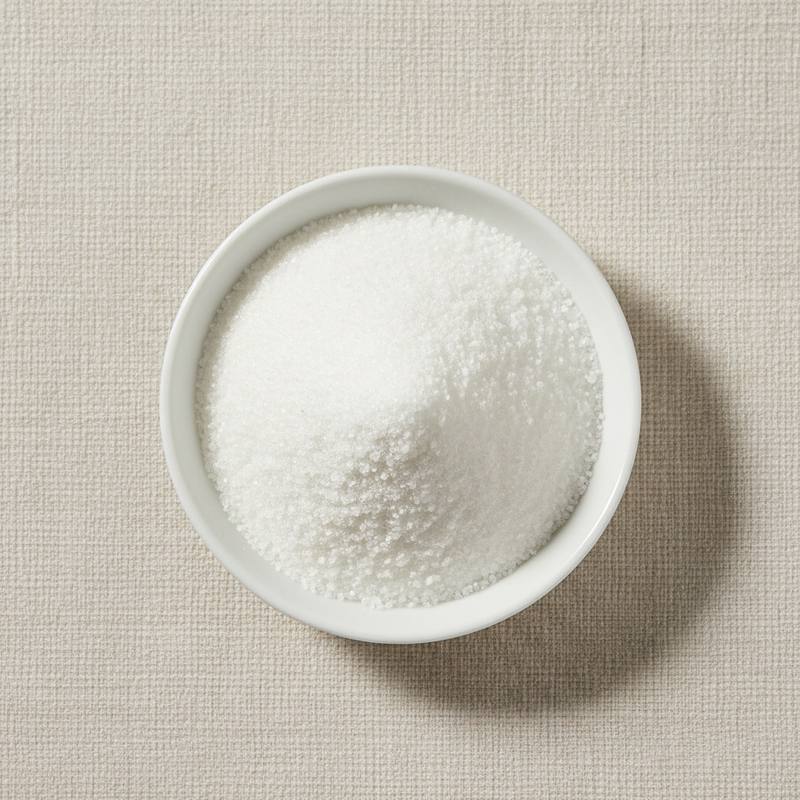
White to pale cream crystalline powder. Mild reducing sugar that participates in controlled Maillard browning, supporting color and flavor development in baked and dairy applications. Food grade is produced from whey permeate by crystallization and is distinct from pharmaceutical-grade lactose which carries additional pharmacopoeial monograph compliance.
We supply Food Grade Lactose from manufacturers in China holding ISO, Halal, Kosher and other certifications relevant to the product and production.
Common market grades include Edible Lactose 100-mesh, Edible Lactose 200-mesh fine powder, Refined Edible Lactose for premium dairy and confectionery, and crystalline α-lactose monohydrate for general food use.
Bulk and reduced-MOQ shipments. Batch-level COA covering assay, protein, ash, heavy metals, and microbiology.
Introduction
Lactose has been consumed by humans for as long as dairying has existed, roughly 10,000 years. The pure crystalline form was first isolated in 1633 by Italian physician Fabrizio Bartoletti and has been produced industrially from cheese whey since the early 20th century.
Modern production is fully integrated with global cheese manufacturing. Sweet whey, the liquid by-product of cheese production, is concentrated by evaporation and reverse osmosis to roughly 60 percent solids. Lactose is then crystallized as α-lactose monohydrate, separated by centrifugation, washed, dried, and milled to the target particle size.
Food-grade Lactose is regulated as a food ingredient with no E-number designation, since it is a natural milk constituent rather than a food additive. JECFA and major national regulators classify it as safe at all typical consumption levels. The principal labeling and safety considerations are allergen status (milk allergen) and lactose intolerance disclosure in markets that require it.
Food-grade and pharmaceutical-grade Lactose differ in specification rigor rather than in basic chemistry. Pharma grade carries USP/EP/JP monograph compliance, tighter particle-size distribution, and stricter microbiological limits, while food grade is qualified to applicable food regulations and the manufacturer's HACCP framework. The two grades are produced on different lines or under different lot-release protocols and should not be substituted without re-qualification.
Where it is used
- Infant formula and follow-on formula manufacturing; the principal carbohydrate source in milk-based infant nutrition
- Dairy reformulation including evaporated and condensed milk, whey protein blends, and milk powders
- Confectionery: caramels, toffees, fudge, and milk chocolate; supports Maillard browning and flavor development
- Bakery applications including breads, cookies, and pastries; improves crust color and dough handling
- Processed meats and sausages; carrier for cures and starter cultures, supports browning
- Animal feed, calf milk replacers, and piglet starter rations; energy source and palatant
- Carrier and bulking agent for high-intensity sweeteners, flavors, and colors
- Fermentation substrate for Lactobacillus and other dairy-culture organisms
Technical data
| Item | Specification |
|---|---|
| Appearance | White to pale cream crystalline powder |
| Lactose content (dry basis) | ≥ 99.0% |
| Moisture | ≤ 5.5% (monohydrate) |
| Protein | ≤ 0.3% |
| Sulfated ash | ≤ 0.3% |
| pH (10% solution) | 5.0 to 7.0 |
| Heavy metals (as Pb) | ≤ 1 mg/kg |
| Total plate count | ≤ 10,000 CFU/g |
| E. coli, Salmonella | Negative |
| Particle size | 100 mesh, 200 mesh, or per customer specification |
Related ingredients
Ready to discuss business?
Send us your spec and requirement. We will respond with availability and pricing within 24 hours.