Description
The iron(II) salt of sulfuric acid and the most widely used iron form globally for both clinical iron-deficiency-anemia therapy and large-scale food fortification. Elemental iron content ranges from approximately 20 percent (heptahydrate) to 33 percent (anhydrous and monohydrate).
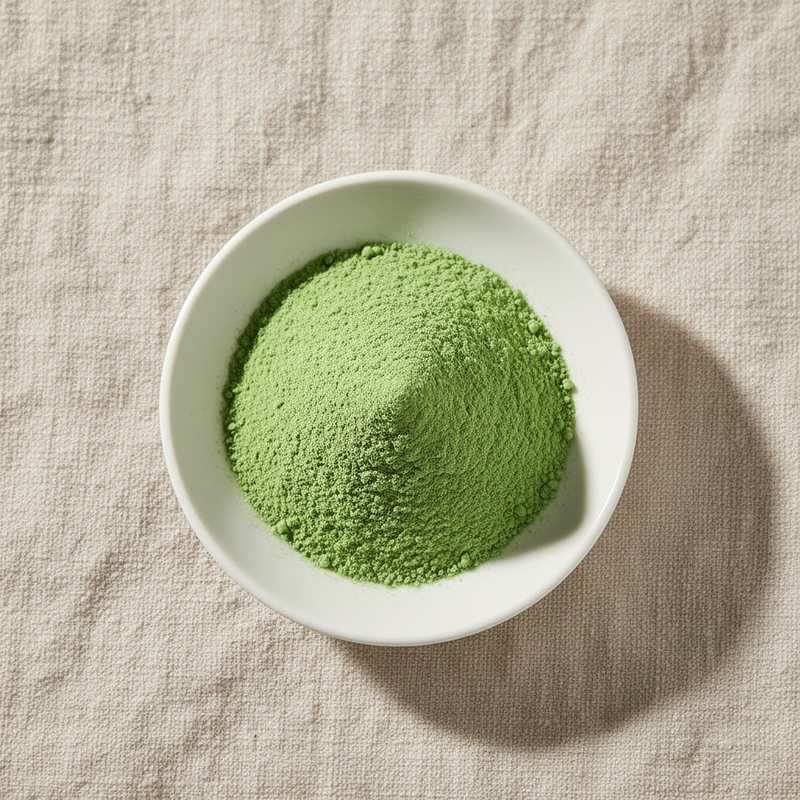
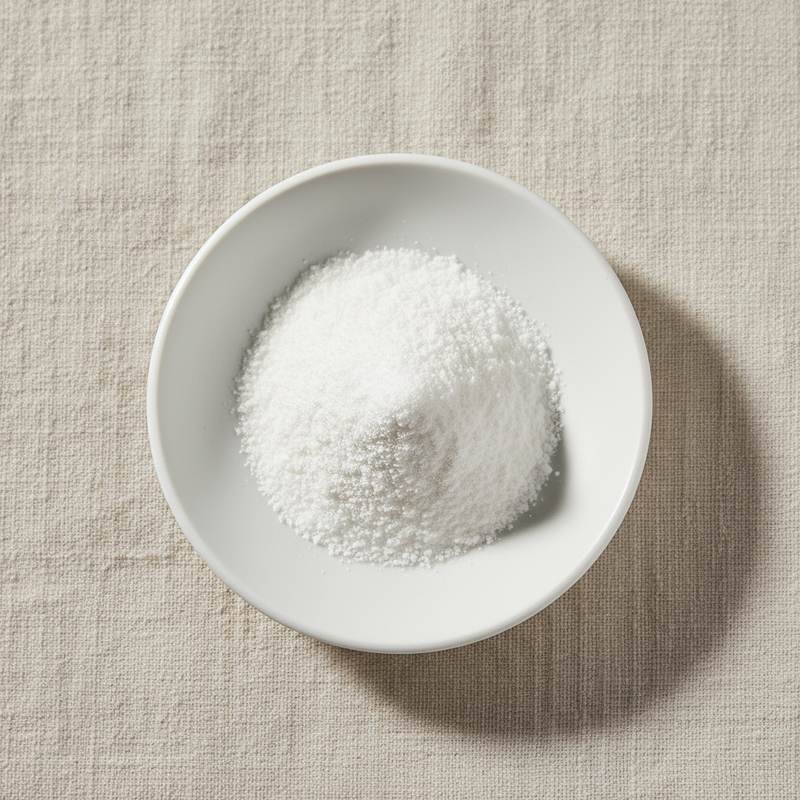
Pale blue-green to grayish-white crystalline solid (heptahydrate) or off-white powder (anhydrous or monohydrate). Freely soluble in water, oxidizing on air exposure to ferric sulfate, which is why commercial grades are stabilized or supplied in dried form.
We supply food-grade and pharmaceutical-grade Ferrous Sulfate from manufacturers in China holding ISO, FSSC 22000, Halal, Kosher, and other certifications relevant to the product and production.
Common market grades include Ferrous Sulfate Heptahydrate for clinical and supplement use, Dried (Monohydrate) for flour fortification and oxidation resistance, Coated and Encapsulated grades for finished-food applications where iron-induced lipid oxidation must be suppressed, USP/EP/JP/BP Pharmaceutical Grade, and Direct-Compression Granulated grade for tablets.
Bulk and reduced-MOQ shipments. Batch-level COA covering assay, iron content, ferric content, heavy metals, and microbiology.
Introduction
Iron is required for hemoglobin synthesis, oxygen transport, and oxidative phosphorylation. Iron-deficiency anemia is the most prevalent micronutrient deficiency worldwide, affecting an estimated 1.2 billion people. Public-health response centers on dietary diversification, supplementation in at-risk groups, and mandatory food fortification programs in over 80 countries, most of which use Ferrous Sulfate or one of its derivatives as the primary fortificant.
Industrial Ferrous Sulfate is produced as a byproduct of titanium dioxide manufacture (sulfate route) and steel pickling, and also by direct reaction of iron with sulfuric acid. Food-grade and pharmaceutical-grade material is supplied from purified streams with controlled ferric, heavy-metal, and arsenic content. The heptahydrate is the freshly crystallized form; controlled dehydration to monohydrate or anhydrous improves oxidation stability and is the standard for dry-matrix fortification.
Regulated in the EU as an authorized source of iron for food supplements and food fortification under Regulation (EC) 1925/2006 and Directive 2002/46/EC, classified as Generally Recognized as Safe by the U.S. FDA under 21 CFR 184.1315 (and as a permitted nutrient in 21 CFR 184.1315), listed in USP, EP, JP, and BP pharmacopoeias, and approved by JECFA with intake guidance under the iron group monograph.
Among iron salts, Ferrous Sulfate is the gold-standard reference compound: every clinical bioavailability study of every other iron form expresses results as relative bioavailability versus Ferrous Sulfate. Absolute absorption in iron-replete adults is approximately 10 percent of intake; in iron-deficient adults, absorption can rise to 30 percent or higher. Ferrous Fumarate, Ferrous Gluconate, and the various ferric salts (Ferric Pyrophosphate, Ferric Sodium EDTA, NaFeEDTA) are evaluated against Ferrous Sulfate as the benchmark.
The strategic position is dominant in fortification and competitive in supplements. The principal formulation challenge is reactivity: ionic ferrous iron catalyzes lipid oxidation, causes color change in finished foods, and reacts with phenolic compounds in fortified beverages. Coated, encapsulated, and microcapsule grades address these issues at premium cost. In cost-sensitive flour fortification, dried Ferrous Sulfate (monohydrate) remains the dominant choice.
Where it is used
- Pharmaceutical iron-deficiency-anemia therapy: tablets, capsules, oral solutions, and syrups
- Iron fortification of wheat flour, corn flour, rice, and breakfast cereals; the dominant fortificant in mandatory flour-fortification programs worldwide
- Iron fortification of infant cereals and infant nutrition products (often in coated or encapsulated form)
- Dietary iron supplements: standalone and multivitamin formulations
- Iron fortification of fish sauce, soy sauce, and other condiments in public-health fortification programs
- Animal feed iron source for livestock, poultry, and aquaculture
- Water-treatment coagulant and phosphate-removal agent (industrial grades)
- Pharmaceutical excipient and reducing agent in oxygen-sensitive formulations
Technical data
| Item | Specification |
|---|---|
| Appearance (heptahydrate) | Pale blue-green crystalline solid |
| Appearance (dried) | Off-white to gray fine powder |
| Assay (dry basis) | ≥ 99.0% (heptahydrate, FeSO4·7H2O) |
| Iron content | 19.0% to 21.0% (heptahydrate), 30.0% to 33.0% (monohydrate) |
| Ferric content (as Fe) | ≤ 1.0% |
| Chloride | ≤ 0.05% |
| Lead | ≤ 5 mg/kg |
| Arsenic | ≤ 3 mg/kg |
| Mercury | ≤ 1 mg/kg |
| Total plate count | ≤ 1000 CFU/g |
| Particle size | Per customer specification |
Related ingredients
Ready to discuss business?
Send us your spec and requirement. We will respond with availability and pricing within 24 hours.