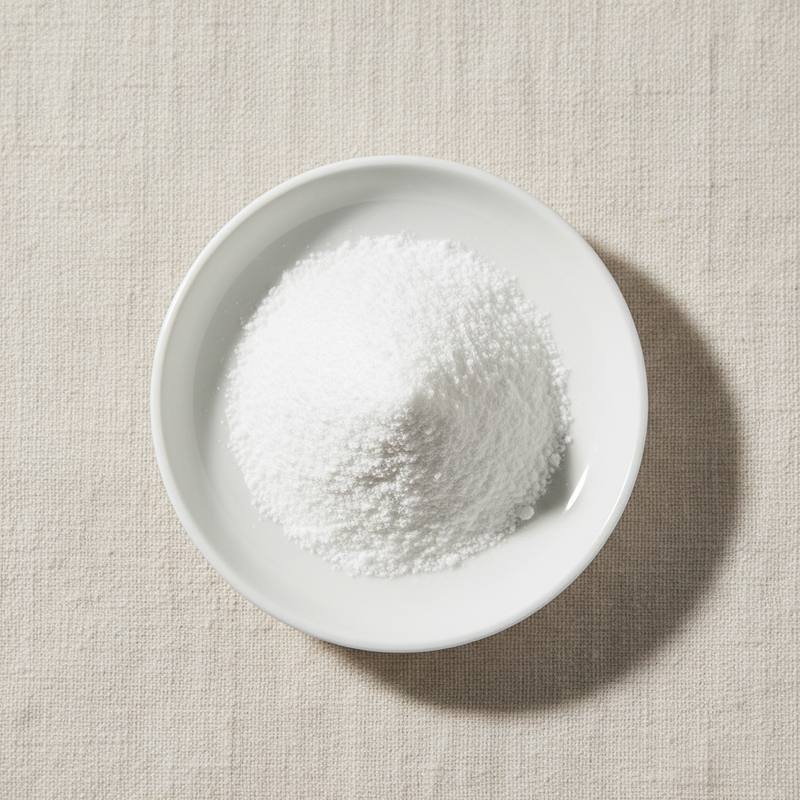
Description
Sorbic Acid coated with a protective lipid or polymer matrix that delays acid release until specific temperature, pH, or moisture conditions are met. Used in bakery applications where premature acid release would inhibit yeast fermentation.
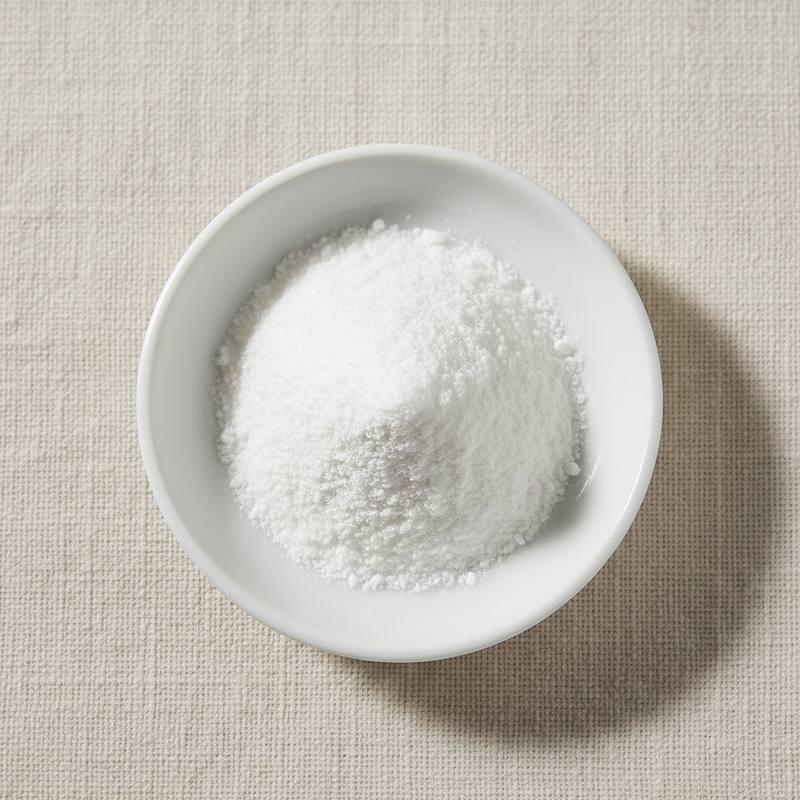
White to off-white free-flowing powder or granules. The encapsulation layer holds the Sorbic Acid in solid form during dough preparation and proofing, then releases the active acid during baking when the matrix melts or breaks down.
We supply food-grade Encapsulated Sorbic Acid from manufacturers in China holding ISO, Halal, Kosher and other certifications relevant to the product and production.
Common market grades include Heat-Release Encapsulation (matrix breaks at 60 to 70 °C, designed for bread baking), Moisture-Triggered Release (for pre-fried and frozen applications), and pH-Triggered Release (for specialty pickled and acidic applications).
Bulk and reduced-MOQ shipments. Batch-level COA covering Sorbic Acid content, encapsulation efficiency, release-temperature characterization, heavy metals, and microbiology.
Introduction
Encapsulated Sorbic Acid is a specialty format produced by spray-coating crystalline Sorbic Acid particles with a melt-castable lipid or polymer matrix, typically based on hydrogenated vegetable fats or food-grade polymers like ethylcellulose.
The encapsulation chemistry addresses a fundamental application limitation: pure Sorbic Acid inhibits yeast at use levels below those needed for finished-product mold prevention. In yeast-leavened bakery products this means Sorbic Acid cannot be used directly without compromising fermentation, even though it is the most effective antifungal for finished bread shelf life.
Encapsulation solves this by releasing the active Sorbic Acid only after fermentation is complete: during baking, the matrix melts or fractures at the target temperature, releasing the acid into the matrix where it provides shelf-life protection against post-baking mold contamination.
Regulatory status follows that of pure Sorbic Acid (E200 in the EU, GRAS in the U.S., JECFA-approved at 25 mg per kg body weight ADI), with the encapsulation matrix evaluated separately under the relevant matrix material's regulatory framework.
Strategic positioning serves the bakery and convenience-food categories specifically, where the combination of yeast-fermentation requirements and finished-product mold-prevention needs creates a clear technical demand that conventional antifungal systems cannot fill.
Where it is used
- Yeast-leavened bakery products: bread, rolls, and bagels where Sorbic Acid would normally inhibit fermentation
- Pre-fried frozen foods: chicken nuggets, fish sticks, and battered products requiring delayed release through frying
- Refrigerated dough products: croissants, cookies, and pizza dough requiring extended cold-chain shelf life
- Pre-baked refrigerated bread products and packaged sandwiches
- Tortillas and flatbreads requiring controlled-release antifungal protection
- Specialty cheese applications requiring delayed acid release
- Frozen prepared meals and ready-to-cook products
- Pet food and animal feed applications requiring controlled preservation kinetics
Technical data
| Item | Specification |
|---|---|
| Appearance | White to off-white free-flowing powder or granules |
| Sorbic acid content | ≥ 60% to 80% (encapsulation grade dependent) |
| Encapsulation matrix | Hydrogenated vegetable fat or food-grade polymer |
| Release temperature | 60 °C to 70 °C (heat-release grade) |
| Loss on drying | ≤ 1.0% |
| Heavy metals (as Pb) | ≤ 10 mg/kg |
| Particle size | ≥ 95% through 30 mesh |
| Total plate count | ≤ 1000 cfu/g |
Related ingredients
Ready to discuss business?
Send us your spec and requirement. We will respond with availability and pricing within 24 hours.