Description
The dominant commercial form of creatine, the most studied and most effective ergogenic sports supplement globally. The monohydrate form contains one bound water of crystallization and is the standard for both clinical research and commercial supplement applications.
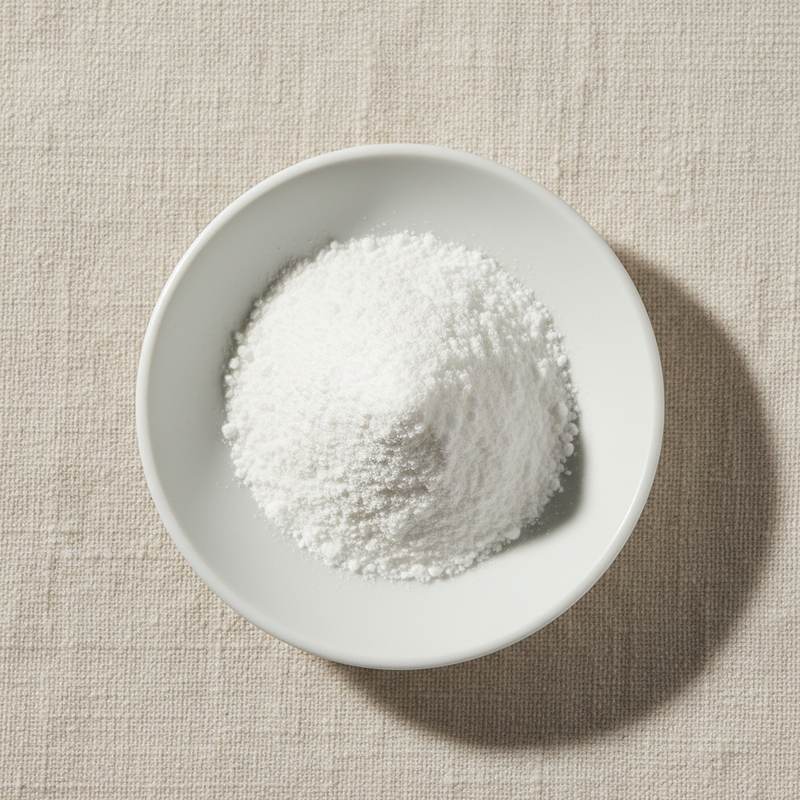
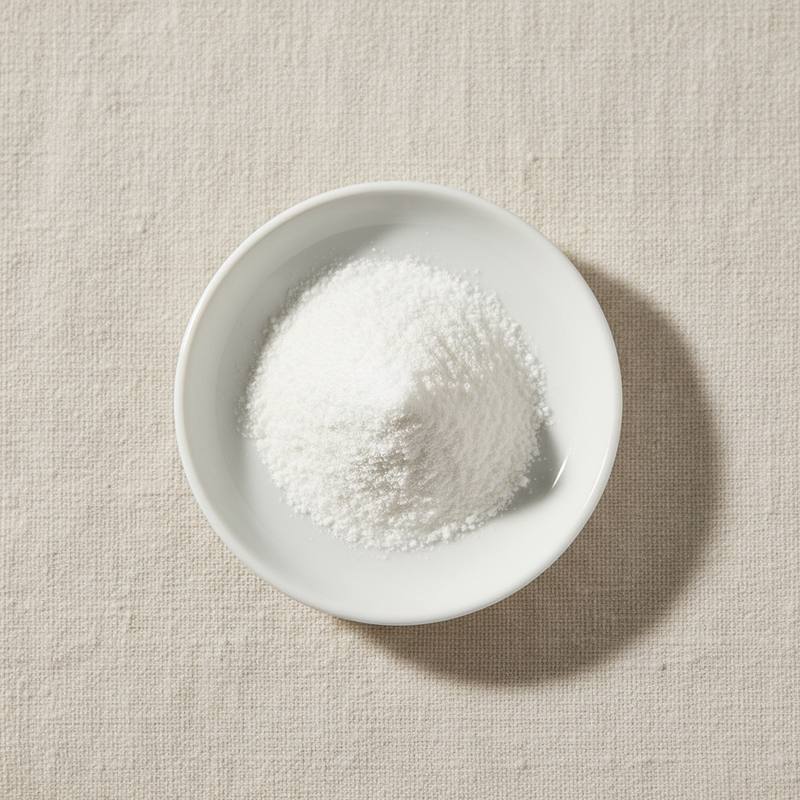
White crystalline powder. Limited cold-water solubility; freely dissolves in warm water. Multiple mesh sizes available depending on the application: 80 mesh for standard supplements, 200 mesh for premium rapid-dissolution products, and micronized 325 mesh for premium clear-beverage applications.
We supply food-grade and pharmaceutical-grade Creatine Monohydrate from manufacturers in China holding ISO, Halal, Kosher and other certifications relevant to the product and production.
Common market grades include Standard 80-mesh (the workhorse for capsule and powder supplements), 200-mesh Micronized (premium rapid-dissolution), 325-mesh Ultra-Micronized (premium clear-beverage applications), Creapure Brand-Equivalent (German-process variant for premium positioning), and Pharmaceutical Grade meeting BP/USP specifications.
Bulk and reduced-MOQ shipments. Batch-level COA covering creatine assay, creatinine impurity, dicyandiamide impurity, particle size, heavy metals, and microbiology.
Introduction
Creatine is a non-protein amino acid derivative produced in the body from arginine, glycine, and methionine, then stored in skeletal muscle where it serves as the substrate for rapid ATP regeneration during high-intensity exercise. The compound was isolated from meat by French scientist Eugène Chevreul in 1832.
Industrial production proceeds by chemical synthesis from sodium sarcosinate and cyanamide, yielding creatine which is crystallized as the monohydrate form. The German Creapure process (using AlzChem proprietary methodology) is widely regarded as the premium standard; Chinese manufacturers produce creatine at large volumes through similar but distinct synthesis routes.
Recognized as a permitted food ingredient by the U.S. FDA (GRAS), the European Food Safety Authority (under specific authorization), and equivalent regulators worldwide. Approved as a permitted dietary supplement.
The compound has more published clinical evidence supporting performance and muscle-mass effects than any other dietary supplement, with hundreds of controlled studies confirming improvements in strength, power output, and lean body mass at typical 3 to 5 gram daily doses. This evidence base underpins creatine's position as the single largest-volume sports supplement globally.
Strategic positioning is dominated by sports nutrition (the highest-volume and highest-value application by orders of magnitude), with emerging clinical research applications in neurological, cardiovascular, and muscle-wasting disease research expanding the addressable market.
Where it is used
- Sports nutrition: the single largest-volume application; standalone creatine powders, capsules, and pre-workout/post-workout formulations
- Premium dietary supplements: muscle-mass, strength, and recovery-positioned products
- Clinical nutrition: muscle-wasting and rehabilitation applications
- Pharmaceutical research applications including neurological and cardiovascular research
- Veterinary applications for racing animals and working dogs
- Functional gummies and chewable supplement formats
- Specialty pet food and pet supplement applications
Technical data
| Item | Specification |
|---|---|
| Appearance | White crystalline powder |
| Assay (dry basis) | ≥ 99.0% |
| Creatinine | ≤ 50 mg/kg |
| Dicyandiamide | ≤ 30 mg/kg |
| Loss on drying | 11.5% to 12.5% |
| Heavy metals (as Pb) | ≤ 1 mg/kg |
| Mercury | ≤ 0.1 mg/kg |
| Particle size | 80, 200, 325 mesh (grade dependent) |
Related ingredients
Ready to discuss business?
Send us your spec and requirement. We will respond with availability and pricing within 24 hours.