Description
A pH-sensitive cellulose ester used as an enteric coating polymer on tablets, capsules, and pellets. Insoluble in acidic gastric fluid (pH below 6.0) and soluble in neutral to slightly alkaline small-intestinal fluid (pH above 6.0), protecting acid-labile APIs and delaying release until the dosage form has passed the stomach.
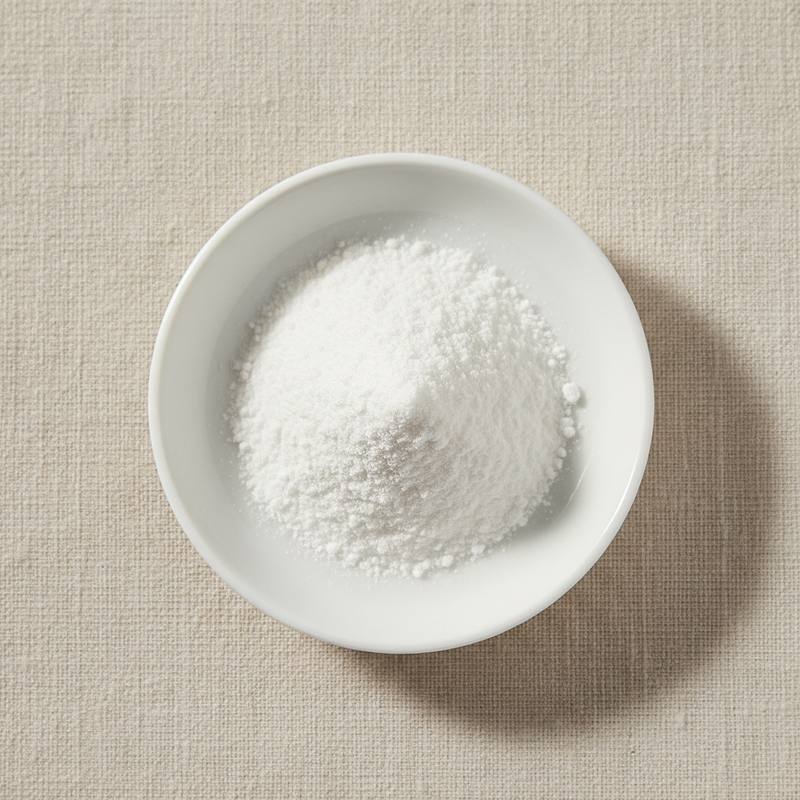
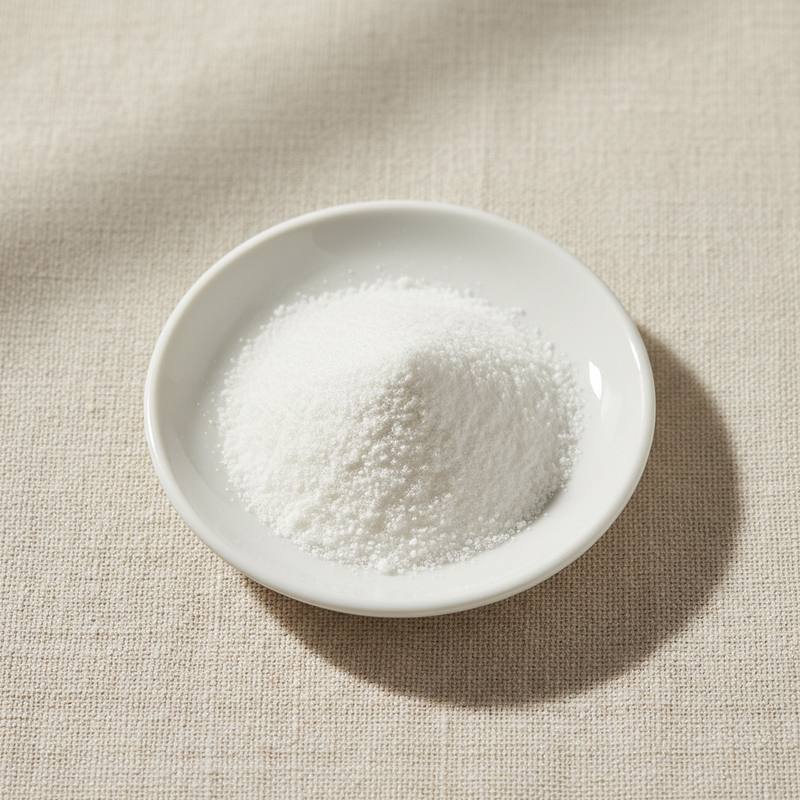
White to off-white free-flowing powder or granules. Soluble in acetone, dioxane, ethyl acetate, and methanol-acetone blends, insoluble in water and most aliphatic hydrocarbons. Forms tough, glossy enteric films on evaporation of the coating solvent.
We supply pharmaceutical-grade Cellulose Acetate Phthalate from manufacturers in China holding ISO, GMP, USP/EP DMF, Halal, Kosher, and other certifications relevant to the product and production.
Common market grades include the standard pharmaceutical CAP powder for solvent-based enteric coating, fine-particle CAP for aqueous dispersion redispersion, and aqueous latex dispersions (Aquateric type, approximately 30 percent solids) for solvent-free enteric coating processes. Plasticizer selection (diethyl phthalate, triethyl citrate, triacetin) is part of the coating formulation.
Bulk and reduced-MOQ shipments. Batch-level COA covering identification, acetyl and phthalyl content, free acid, viscosity, loss on drying, residue on ignition, heavy metals, residual solvents, and microbiology against USP, EP, and BP monographs.
Introduction
Cellulose Acetate Phthalate was developed in the 1940s and was the first widely adopted synthetic enteric coating polymer in pharmaceutical practice, displacing earlier shellac-based enteric coatings in regulated markets. It remains a standard enteric polymer alongside Hypromellose Phthalate, Hypromellose Acetate Succinate, and the methacrylate Eudragit L and S grades.
Production starts with cellulose acetate (typically 39 to 40 percent acetyl content) that is reacted with phthalic anhydride in glacial acetic acid under controlled conditions to introduce phthalyl substituents. The pharmacopoeial monograph specifies acetyl content of 21.5 to 26.0 percent and phthalyl content of 30.0 to 36.0 percent, defining the substitution range that gives the polymer its pH-dependent solubility.
Listed in USP-NF, EP, and BP monographs. FDA Inactive Ingredient Database listed for oral solid dosage forms.
The enteric dissolution mechanism is ionization of the phthalic acid carboxyl groups: in the acidic stomach the polymer remains protonated and insoluble, while in the neutral small intestine the carboxyl groups ionize and the polymer dissolves, releasing the API. The threshold pH is typically around 6.0 to 6.2.
Strategic position: a long-established and cost-efficient enteric coating polymer with broad regulatory acceptance and a deep manufacturing history. Aqueous dispersion forms have improved its compatibility with modern solvent-free coating processes.
Where it is used
- Enteric film coating on acid-labile tablets and capsules
- Enteric coating on multiparticulate pellets in capsule fills
- Protective coating for proton pump inhibitor tablets and pellets
- Enteric coating on enzyme and probiotic capsule products
- Delayed-release coating for nutraceutical and OTC products
- Matrix former in colon-targeted delivery systems
- Microencapsulation wall material for pH-triggered release
- Taste-masking coating combined with enteric protection
Technical data
| Item | Specification |
|---|---|
| Appearance | White to off-white free-flowing powder or granules |
| Compliance | USP/NF, EP, BP current edition |
| Identification | Conforms to pharmacopoeial tests |
| Acetyl content (dried basis) | 21.5% to 26.0% |
| Phthalyl content (dried basis) | 30.0% to 36.0% |
| Free acid (as phthalic acid) | ≤ 3.0% |
| Viscosity (15% solution in acetone, 25 °C) | 45 to 90 mPa·s (grade dependent) |
| Loss on drying | ≤ 5.0% |
| Residue on ignition | ≤ 0.1% |
| Heavy metals (as Pb) | ≤ 10 mg/kg |
| Residual phthalic anhydride | ≤ 0.1% |
| Residual solvents | Conforms to ICH Q3C limits |
| Enteric solubility threshold | pH ≥ 6.0 to 6.2 |
| Particle size | Per grade specification |
| Total aerobic count | ≤ 1,000 CFU/g |
| Yeast and mould | ≤ 100 CFU/g |
| E. coli, Salmonella | Absent |
| Source | Purified wood pulp cellulose |
Related ingredients
Ready to discuss business?
Send us your spec and requirement. We will respond with availability and pricing within 24 hours.