Description
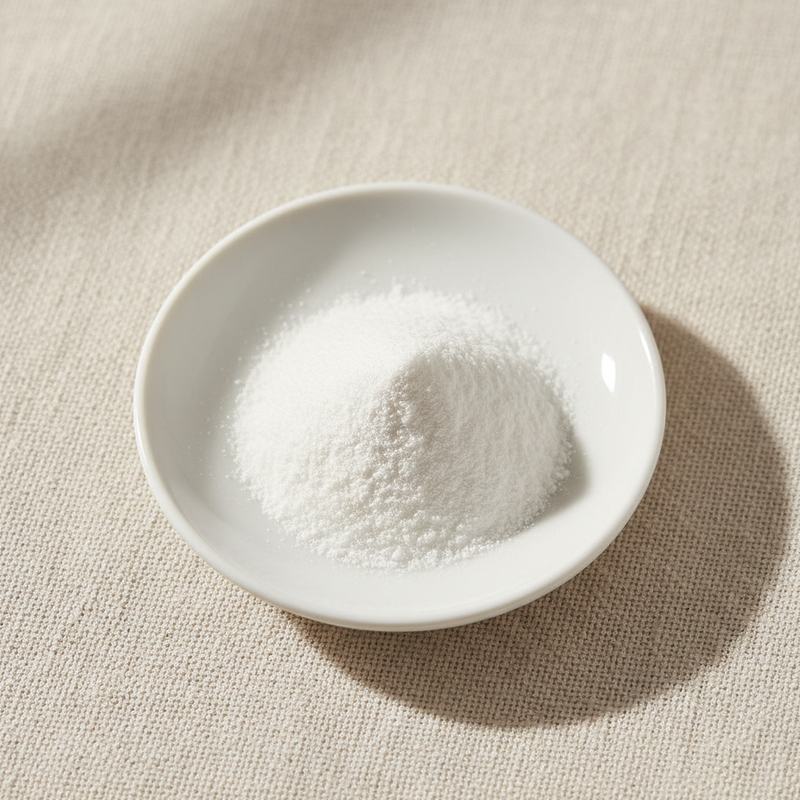
A mixed-ester Hypromellose derivative used both as an enteric coating polymer with grade-selectable threshold pH (LF, MF, HF) and as the dominant carrier polymer in spray-dried amorphous solid dispersions for solubility enhancement of poorly water-soluble APIs.
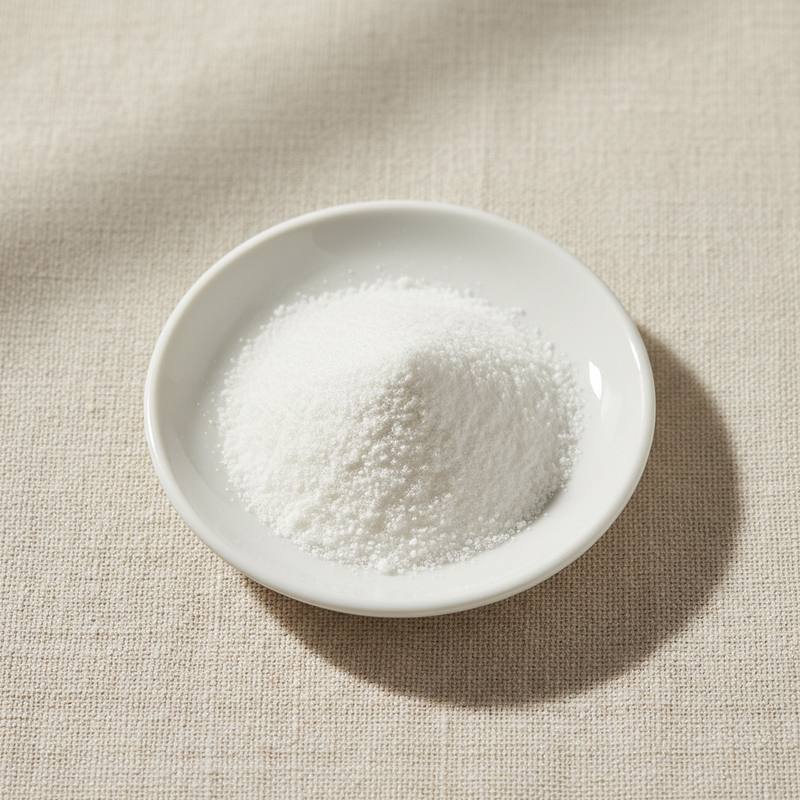
White to off-white free-flowing powder or granules. Soluble in acetone, methanol, and dilute aqueous alkali above the grade-specific threshold pH. Insoluble in water below threshold pH. The polymer combines pH-triggered enteric dissolution with the capacity to stabilize the amorphous state of an API in a co-spray-dried solid dispersion.
We supply pharmaceutical-grade Hypromellose Acetate Succinate from manufacturers in China holding ISO, GMP, USP/EP/JP DMF, Halal, Kosher, and other certifications relevant to the product and production.
Common market grades include LF (low succinoyl, threshold pH approximately 5.5, used for duodenal release and solid dispersions), MF (medium succinoyl, threshold pH approximately 6.0), and HF (high succinoyl, threshold pH approximately 6.8, used for ileocolonic release). Each is supplied in both fine (F) and granular (G) particle size variants.
Bulk and reduced-MOQ shipments. Batch-level COA covering identification, methoxy, hydroxypropoxy, acetyl, and succinoyl content, free acids, viscosity, loss on drying, residue on ignition, heavy metals, residual solvents, and microbiology against USP, EP, JP, and BP monographs.
Introduction
Hypromellose Acetate Succinate was developed by Shin-Etsu in the 1980s and entered the pharmacopoeial monographs in the 1990s. It has since become the dominant polymer carrier in spray-dried amorphous solid dispersions, the principal solubility-enhancement technology for poorly water-soluble APIs in modern oncology, antiviral, and CNS drug development.
Production starts from pharmaceutical-grade Hypromellose that is reacted with acetic anhydride and succinic anhydride in glacial acetic acid under controlled conditions, introducing both acetyl and succinoyl substituents. The substitution ratio defines the grade (LF, MF, HF) and the threshold pH.
Listed in USP-NF, EP, JP, and BP monographs. FDA Inactive Ingredient Database listed for oral solid dosage forms.
The dual functionality is the chemistry's defining advantage: as an enteric polymer it ionizes above the grade-specific threshold pH and dissolves; as a solid dispersion carrier it stabilizes the amorphous state of a co-spray-dried API by molecular dispersion and hydrogen bonding with the API, suppressing recrystallization that would otherwise destroy the solubility advantage of the amorphous form.
Strategic position: along with PVP-VA copolymers and acrylate-based polymers, HPMCAS is one of the dominant carriers in commercial spray-dried dispersion products. Grade selection (LF for solubility enhancement, MF or HF for late-intestinal targeting) is driven by API logP and target dissolution profile.
Where it is used
- Enteric film coating with grade-selectable threshold pH
- Polymer carrier in spray-dried amorphous solid dispersions
- Solubility enhancement for poorly water-soluble BCS Class II and IV APIs
- Enteric coating on multiparticulate pellets and capsules
- Polymer carrier in hot-melt extrusion solid dispersions
- pH-triggered controlled-release matrix component
- Enteric coating on probiotic and enzyme capsule products
- Bioavailability-enhancement carrier in oncology and CNS drug development
Technical data
| Item | Specification |
|---|---|
| Appearance | White to off-white free-flowing powder or granules |
| Compliance | USP/NF, EP, JP, BP current edition |
| Identification | Conforms to pharmacopoeial tests |
| Methoxy content (dried basis) | 20.0% to 26.0% |
| Hydroxypropoxy content (dried basis) | 5.0% to 10.0% |
| Acetyl content (LF) | 5.0% to 9.0% |
| Succinoyl content (LF) | 14.0% to 18.0% |
| Acetyl content (MF) | 7.0% to 11.0% |
| Succinoyl content (MF) | 10.0% to 14.0% |
| Acetyl content (HF) | 10.0% to 14.0% |
| Succinoyl content (HF) | 4.0% to 8.0% |
| Free acetic and succinic acid | ≤ 1.0% |
| Loss on drying | ≤ 5.0% |
| Residue on ignition | ≤ 0.2% |
| Heavy metals (as Pb) | ≤ 10 mg/kg |
| Residual solvents | Conforms to ICH Q3C limits |
| Enteric solubility threshold | pH ≥ 5.5 (LF), 6.0 (MF), or 6.8 (HF) |
| Particle size | Fine (F) or granular (G) per grade |
| Total aerobic count | ≤ 1,000 CFU/g |
| Yeast and mould | ≤ 100 CFU/g |
| Source | Purified wood pulp cellulose |
Related ingredients
Ready to discuss business?
Send us your spec and requirement. We will respond with availability and pricing within 24 hours.