Description
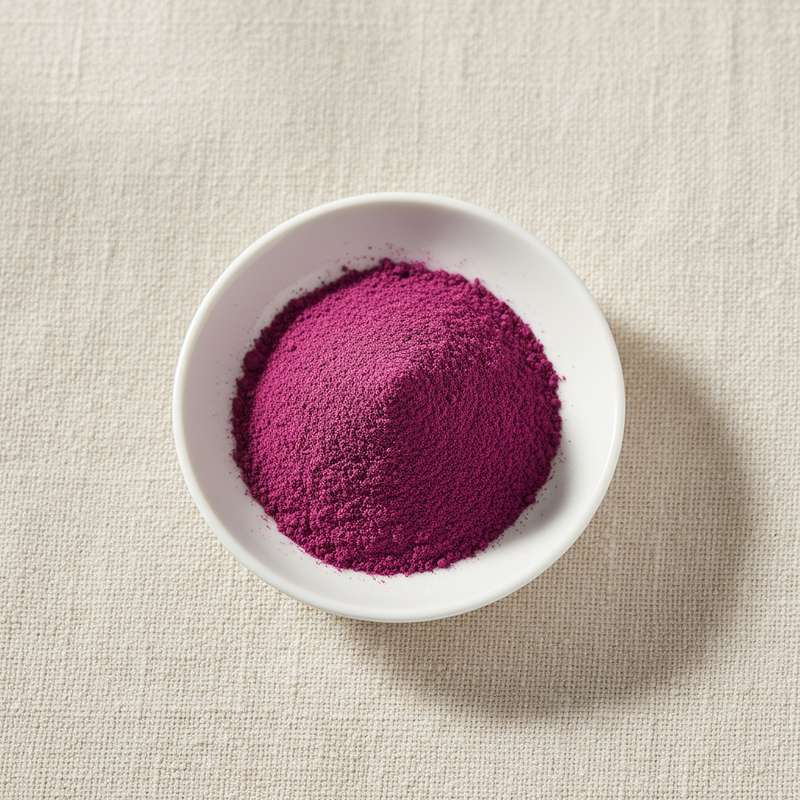
An anthocyanin-rich extract from the bran of black rice (Oryza sativa L. indica), principally standardized to total anthocyanin content with cyanidin-3-glucoside as the dominant pigment. Used as a natural purple-to-red food colorant and as an antioxidant active in dietary supplement and cosmetic applications.
Dark purple to black-purple free-flowing powder. Highly water-soluble; pH-sensitive colour profile (red in acidic conditions, blue-purple at higher pH).
We supply food-grade Black Rice Extract from manufacturers in China holding ISO, Halal, Kosher and other certifications relevant to the product and production. Organic-certified and non-GMO grades are available.
Common market grades include 5 percent Anthocyanins (the food-colorant workhorse grade), 10 percent Anthocyanins (standard supplement grade), 25 percent Anthocyanins (premium grade), and 40 percent Anthocyanins (high-end concentrated grade).
Bulk and reduced-MOQ shipments. Batch-level COA covering total anthocyanins (HPLC or UV), cyanidin-3-glucoside content, residual solvents, heavy metals, pesticides, and microbiology.
Introduction
Black rice has been cultivated for over a thousand years in China, with historical association with imperial use under the name 'Forbidden Rice'. The dark purple-black bran is among the richest natural sources of anthocyanins, with concentrations rivalling or exceeding blueberry and elderberry on a dry-weight basis.
Industrial production proceeds by acidic-water or hydroalcoholic extraction of black rice bran, followed by purification, decolorization-removal of non-anthocyanin compounds, and spray-drying to defined anthocyanin content.
Recognized as a permitted food ingredient and natural colorant by the U.S. FDA (exempt from certification as a fruit/vegetable juice colorant), the European Food Safety Authority (as anthocyanin colorant E163), and equivalent regulators worldwide.
Cyanidin-3-glucoside, the principal anthocyanin, has documented antioxidant, anti-inflammatory, and metabolic-health activities supported by cell-culture, animal, and emerging human clinical research. The compound is among the most-studied anthocyanins for cardiovascular and metabolic endpoints.
Strategic positioning combines natural food colorant applications (the volume application) with antioxidant dietary supplement and premium cosmetic skincare uses (the value-added segments).
Where it is used
- Natural food colorant: purple-to-red coloring in confectionery, dairy, baked goods, and beverage applications
- Antioxidant dietary supplements: cardiovascular and anti-aging positioned formulations
- Eye-health and vision-support supplements (anthocyanins share mechanistic features with bilberry)
- Cosmetic skincare: anti-aging and antioxidant formulations
- Functional beverages: superfruit-positioned and wellness drinks
- Premium nutricosmetic and beauty-from-within supplements
- Asian-positioned health food product formulations
Technical data
| Item | Specification |
|---|---|
| Appearance | Dark purple to black-purple free-flowing powder |
| Total anthocyanins (HPLC or UV) | 5% / 10% / 25% / 40% (grade dependent) |
| Cyanidin-3-glucoside | ≥ 70% of total anthocyanins |
| Loss on drying | ≤ 5.0% |
| Residue on ignition | ≤ 5.0% |
| Heavy metals (as Pb) | ≤ 2 mg/kg |
| Total plate count | ≤ 1000 cfu/g |
| Source | Oryza sativa L. indica black rice bran |
Related ingredients
Ready to discuss business?
Send us your spec and requirement. We will respond with availability and pricing within 24 hours.