Description
Bifidobacterium animalis subsp. lactis is the most oxygen-tolerant and technologically robust species in the Bifidobacterium genus, making it the dominant choice for industrial fermented dairy and capsule production where Bifidobacterium delivery is required.
Supplied as a freeze-dried powder with viability between 200 and 1000 billion CFU per gram at release. The species survives processing and shelf life in dairy and capsule formats far better than the more delicate Bifidobacterium longum or B. bifidum.
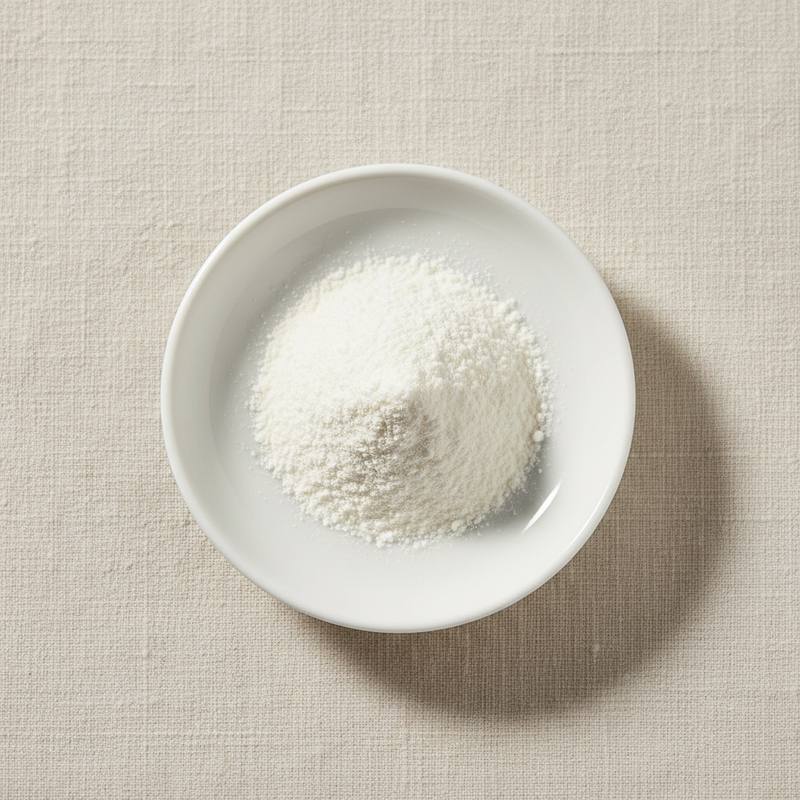
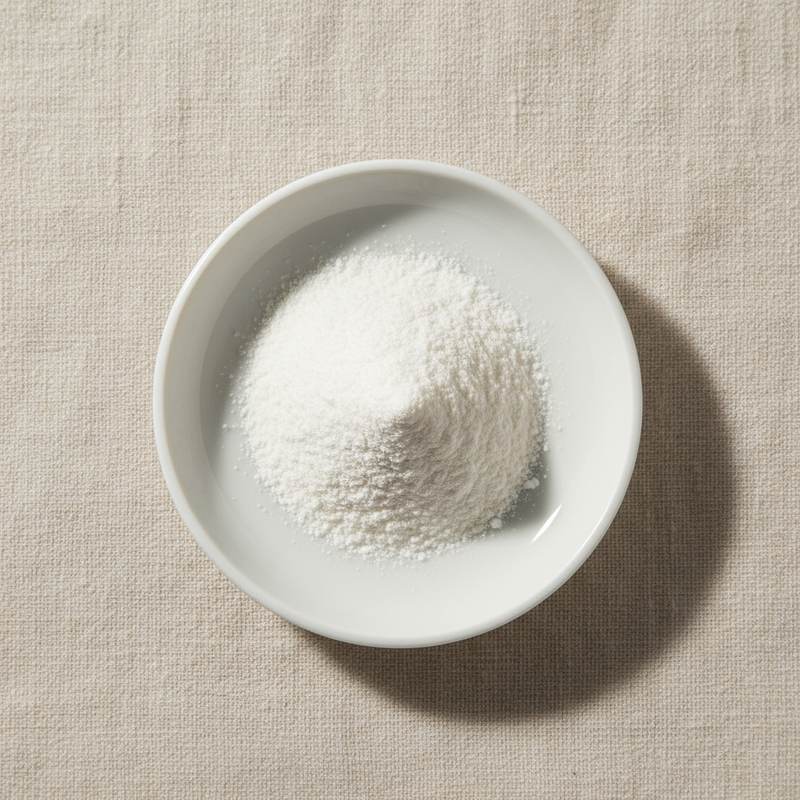
Off-white to pale beige free-flowing powder with a clean neutral odor. Particle size suitable for capsule filling, sachet blending, and incorporation into fermented dairy.
We supply food-grade and pharmaceutical-grade Bifidobacterium lactis from manufacturers in China holding ISO 22000, FSSC 22000, Halal, Kosher, and other certifications relevant to probiotic strain production.
Common market grades include 200, 300, 500, and 1000 billion CFU per gram freeze-dried powders, microencapsulated and acid-resistant variants for beverage and capsule applications, and direct-vat-set frozen culture concentrates for industrial dairy fermentation. Bulk and reduced-MOQ shipments with batch-level COA covering viable count, strain identity, moisture, heavy metals, and pathogen panel.
Introduction
Bifidobacterium animalis subsp. lactis was originally isolated from fermented milk products and characterized in the late twentieth century. The dominant commercial strains are HN019 (developed in New Zealand and deposited at DSM under accession 15954), Bb-12 (held by Chr. Hansen, now Novonesis), and BI-04, all derived from the same subspecies but distinct at the strain level.
Industrial production uses proprietary semi-defined media adapted to Bifidobacterium growth requirements under strict anaerobic conditions with reducing agents such as cysteine. Biomass is recovered, cryoprotected, and lyophilized to residual moisture below 4 percent. Oxygen tolerance is a defining commercial advantage that supports air-exposure during downstream processing and finished-product manufacture.
Regulatory status includes GRAS notifications with FDA (multiple strains), Qualified Presumption of Safety listing in the European Union, and approval for use in infant formula and follow-on formula in major regulatory regions.
Clinical evidence supports use for improvement of bowel regularity and transit time, immune function in adults and seniors, and as part of pediatric and infant formulations for general gut health.
B. lactis is the highest-volume Bifidobacterium species in global commercial use and the default Bifidobacterium choice in multi-strain probiotic blends across capsule, sachet, and dairy applications.
Where it is used
- Probiotic yogurt and fermented dairy products as a primary or adjunct culture
- Capsules, tablets, and sachets for digestive regularity and gut barrier support
- Infant formula fortification
- Functional dairy beverages and probiotic shots
- Senior nutrition and constipation-management products
- Immune support and seasonal wellness supplements
- Pediatric probiotic drops
- Synbiotic formulations with inulin, FOS, or GOS
- Plant-based fermented beverages and dairy alternatives
Technical data
| Item | Specification |
|---|---|
| Appearance | Off-white to pale beige free-flowing powder |
| Viable cell count | ≥ 300 billion CFU/g (200B, 300B, 500B, 1T grades) |
| Strain identity | Confirmed by 16S rRNA sequencing and species-specific PCR |
| Moisture (loss on drying) | ≤ 4.0% |
| Particle size | ≥ 95% through 80 mesh |
| Heavy metals (as Pb) | ≤ 1 mg/kg |
| Arsenic | ≤ 0.5 mg/kg |
| Salmonella | Absent in 25 g |
| E. coli | Absent in 10 g |
| Staphylococcus aureus | Absent in 10 g |
| Yeast and mold | ≤ 50 CFU/g |
| Shelf life | 24 months from manufacture under recommended storage |
| Storage | −18 °C sealed; 2 to 8 °C after opening |
Related ingredients
Ready to discuss business?
Send us your spec and requirement. We will respond with availability and pricing within 24 hours.