Description
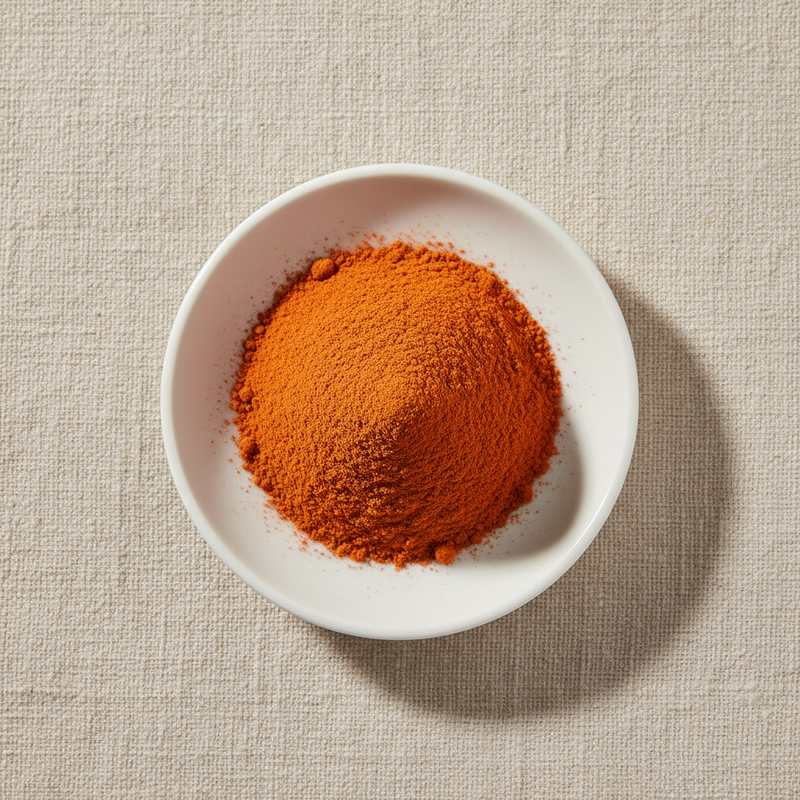
Acerola Cherry Juice Powder is a light pink to pale red free-flowing powder produced from the juice of acerola (Malpighia emarginata), among the most concentrated natural sources of vitamin C documented in food chemistry.
Production is by spray drying of clarified juice with a maltodextrin carrier to manage the high acidity and sugar content of the fruit. The finished powder is standardized for vitamin C (ascorbic acid) content, typically at 17 percent or 25 percent on a dry-weight basis, making it the leading clean-label alternative to synthetic ascorbic acid in supplements and fortified foods.
Polyphenols and anthocyanins from the fruit contribute antioxidant claims and a characteristic mild sweet-tart flavor.
We supply food-grade Acerola Cherry Juice Powder from manufacturers in China holding ISO, HACCP, BRC, Halal, Kosher and other certifications relevant to the product and production. Organic grades are available on request.
Common market grades include 17 percent natural vitamin C, 25 percent natural vitamin C, and unstandardized whole-juice powder. Polyphenol-rich grades are produced for premium clean-label and beauty applications. Bulk and reduced-MOQ shipments. Batch-level COA covering vitamin C assay, microbiology, and heavy metals.
Introduction
Acerola, also called Barbados cherry or West Indian cherry, is a tropical fruit native to the Caribbean and northern South America. The fruit contains 15 to 20 times the vitamin C content of citrus fruits on a fresh-weight basis, with peak concentrations of 1.5 to 4.5 grams of ascorbic acid per 100 g of pulp.
This extreme natural concentration is the entire commercial basis for the ingredient. Acerola juice is harvested at the slightly unripe stage when vitamin C levels peak, then immediately processed to preserve the heat-sensitive compound. The juice is spray-dried with a maltodextrin carrier and standardized to a defined vitamin C percentage in the finished powder.
The natural form of vitamin C in acerola is L-ascorbic acid identical to the synthetic compound, but the powder also contains co-factors including bioflavonoids, polyphenols, and trace minerals that are part of the clean-label and natural-fortification value proposition.
Major commercial cultivation is centered in Brazil, where acerola is the dominant industrial source for global supplement and food fortification markets. Chinese manufacturing focuses on import-and-process spray drying using imported acerola juice concentrate.
Where it is used
- Natural vitamin C dietary supplements, tablets, and capsules
- Immune-health gummies and chewable tablets
- Functional beverages and shot formulations
- Infant nutrition products and toddler vitamin fortification
- Sports nutrition and recovery powders
- Clean-label replacement for synthetic ascorbic acid in fortified foods
- Beauty-from-within formulations targeting collagen and skin support
- Cereals, energy bars, and breakfast products requiring native-source vitamin C
Technical data
| Item | Specification |
|---|---|
| Appearance | Light pink to pale red free-flowing powder |
| Source | Malpighia emarginata fruit juice |
| Vitamin C (natural ascorbic acid) | 17.0% or 25.0%, per grade |
| Moisture | ≤ 5.0% |
| Particle size | 80 mesh pass ≥ 95% |
| Solubility | ≥ 95% |
| Ash | ≤ 5.0% |
| Heavy metals (as Pb) | ≤ 0.5 mg/kg |
| Arsenic | ≤ 0.5 mg/kg |
| Total plate count | ≤ 10,000 cfu/g |
| Yeast and mold | ≤ 100 cfu/g |
| Salmonella | Absent in 25 g |
Related ingredients
Ready to discuss business?
Send us your spec and requirement. We will respond with availability and pricing within 24 hours.