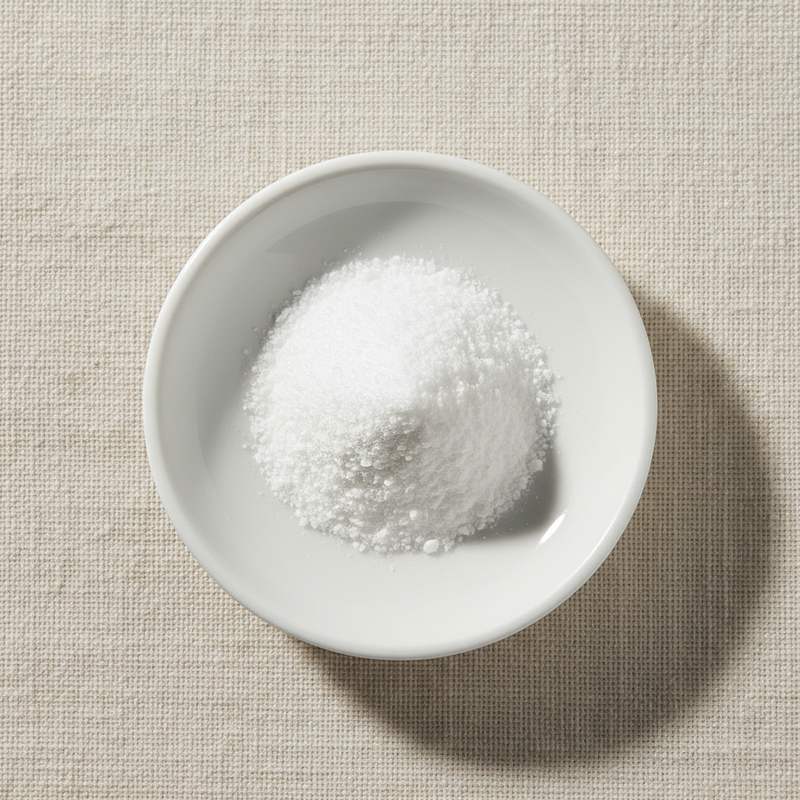
Description
An inorganic zinc salt of sulfuric acid, supplied as the monohydrate (approximately 35 percent elemental zinc), heptahydrate (approximately 23 percent), or anhydrous form. The most widely used zinc fortificant in fertilizer, feed, and pharmaceutical applications.
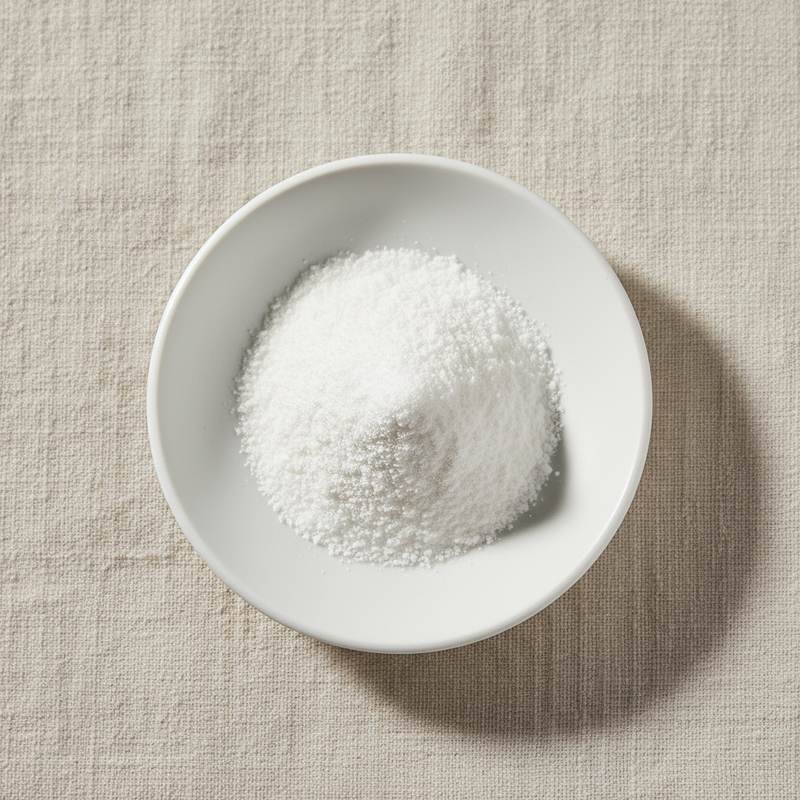
Colorless to white crystalline powder or granules, freely soluble in water yielding an acidic solution. Functions as a zinc source for nutritional fortification, an astringent in pharmaceutical preparations, and a micronutrient fertilizer.
We supply food-grade, pharmaceutical-grade, technical-grade, and agricultural-grade Zinc Sulfate from manufacturers in China holding ISO, FSSC 22000, Halal, Kosher, and other certifications relevant to the product and production.
Common market grades include USP, EP, and BP heptahydrate for pharmaceutical and parenteral use, food-grade monohydrate for premix and fortification applications, agricultural-grade monohydrate for fertilizer use, and animal feed grade. Bulk and reduced-MOQ shipments with batch-level COA covering assay, elemental zinc, heavy metals, and microbiology.
Introduction
Zinc is an essential trace element and cofactor for over 300 enzymes including those of DNA synthesis, immune function, and growth. Zinc deficiency is prevalent in many low- and middle-income countries and is a target of WHO and UNICEF intervention programs.
Industrial production proceeds by reaction of zinc oxide or zinc metal with sulfuric acid, followed by crystallization to the monohydrate or heptahydrate form depending on conditions. Pharmacopoeial grades are produced under strict control of heavy metal impurities (especially cadmium, lead, and arsenic) and microbiological cleanliness.
Regulatory status includes USP, EP, JP, and BP monographs for pharmaceutical use, recognition as a permitted zinc source for food fortification under EU Regulation 1925/2006, GRAS notifications for specific commercial articles, and approval as a feed and fertilizer additive under multiple national frameworks.
Bioavailability of zinc from sulfate is moderate (around 20 to 30 percent fractional absorption at typical supplemental doses) and is the reference form against which other zinc compounds are compared. Organic chelate forms (picolinate, bisglycinate, citrate) are positioned for premium absorption with documented superiority over sulfate in head-to-head trials.
Where it is used
- Pediatric zinc supplements for acute diarrhea management (WHO/UNICEF protocol)
- Zinc fortification of premixes, infant formula, and beverages
- Oral rehydration solution adjunct
- Pharmaceutical parenteral zinc supplementation
- Topical astringent and ophthalmic preparations
- Agricultural micronutrient fertilizer for zinc-deficient soils
- Animal feed zinc fortification
- Aquaculture water and feed applications
- Industrial chemical and textile dyeing applications
Technical data
| Item | Specification |
|---|---|
| Appearance | Colorless to white crystalline powder or granules |
| Assay (monohydrate basis) | ≥ 99.0% |
| Elemental zinc (monohydrate) | 34 to 36% w/w |
| pH (5% solution) | 4.4 to 5.6 |
| Iron | ≤ 50 mg/kg |
| Heavy metals (as Pb) | ≤ 10 mg/kg |
| Arsenic | ≤ 3 mg/kg |
| Cadmium | ≤ 5 mg/kg |
| Loss on drying (105 °C) | ≤ 11.0% (monohydrate) |
| Insoluble matter | ≤ 0.01% |
| Microbiology | Meets pharmacopoeial limits for food/pharmaceutical grade |
| Shelf life | 36 months from manufacture under recommended storage |
| Storage | Cool, dry, sealed; protect from humidity |
Related ingredients
Ready to discuss business?
Send us your spec and requirement. We will respond with availability and pricing within 24 hours.