Description
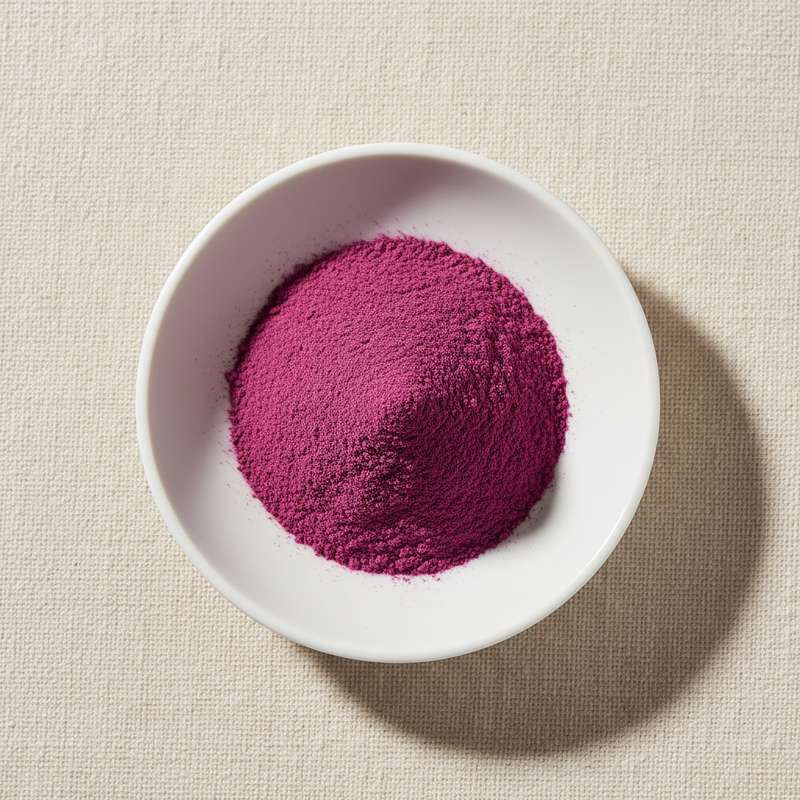
A polyphenolic extract from wine lees (the sediment of yeast cells, grape solids, and tartrate crystals that settles during wine fermentation and aging). The byproduct contains a distinctive polyphenol profile dominated by tannin polymers, anthocyanin-tannin condensation products, and minor stilbenoids. Distinct from grape pomace by source: lees come from inside the wine fermentation vessel rather than from pressed grape solids.
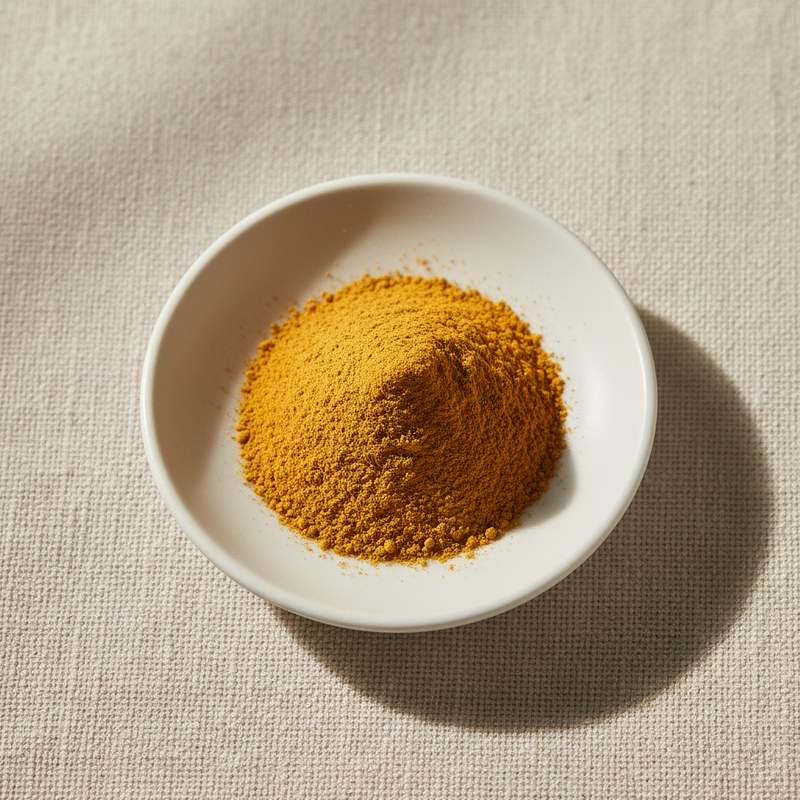
Dark red to brown free-flowing powder. Highly water-soluble.
We supply food-grade Wine Lees Polyphenols from manufacturers in China holding ISO, Halal, Kosher and other certifications relevant to the product and production. Strong circular-economy positioning supports clean-label applications.
Common market grades include Wine Lees Polyphenols 20 percent (cost-effective baseline), Wine Lees Polyphenols 40 percent (standard supplement grade), and Wine Lees Polyphenols 60 to 70 percent (premium grade).
Bulk and reduced-MOQ shipments. Batch-level COA covering total polyphenols (UV), tannin content, anthocyanin content, residual solvents and ethanol, heavy metals, sulfite content (where applicable), and microbiology.
Introduction
Wine lees represent the most concentrated byproduct of wine production, traditionally separated from finished wine by racking and decantation. Historical uses of lees included distillation to produce eau-de-vie (a brandy made from wine lees) and as agricultural fertilizer. Modern characterization of wine lees has identified the substantial polyphenol content retained from the fermentation process, supporting development of high-value extract products.
Industrial production proceeds by aqueous and ethanolic extraction of dried wine lees, followed by purification, ethanol removal, and spray-drying to defined polyphenol content. Sulfite removal is performed as needed for sulfite-sensitive applications. The polyphenol profile differs from grape pomace by higher concentration of condensed tannins and yeast-derived components.
Recognized as a permitted food ingredient by the U.S. FDA (GRAS) and the European Food Safety Authority. EU regulation specifically permits wine industry byproducts as food ingredients under defined processing conditions.
Clinical evidence draws from the broader red-wine polyphenol literature, including the historical French paradox positioning that supports cardiovascular applications. The premium positioning leverages both the established polyphenol-cardiovascular narrative and the strong circular-economy sustainability story.
Strategic positioning targets premium antioxidant supplements, vinotherapy cosmetic applications, and the growing market for wine-industry circular-economy ingredients.
Where it is used
- Antioxidant dietary supplements positioned around wine polyphenol profile
- Cardiovascular-support supplements with French paradox positioning
- Premium clean-label antioxidant supplements emphasizing wine-industry circular economy
- Cosmetic skincare: vinotherapy-positioned premium formulations
- Functional beverages: wellness shots and dealcoholized wine concentrate alternatives
- Natural food preservatives: antimicrobial and antioxidant applications
- Animal feed antioxidant in premium aquaculture and pet food applications
Technical data
| Item | Specification |
|---|---|
| Appearance | Dark red to brown free-flowing powder |
| Total polyphenols (UV) | 20% / 40% / 70% (grade dependent) |
| Tannin content | ≥ 15% |
| Anthocyanins | ≥ 2% |
| Loss on drying | ≤ 6.0% |
| Residual ethanol | ≤ 0.5% |
| Sulfites (as SO2) | declared per batch |
| Source | Wine industry lees (yeast and grape solids) |
Related ingredients
Ready to discuss business?
Send us your spec and requirement. We will respond with availability and pricing within 24 hours.