Description
The standardized extract of the traditional Ayurvedic three-fruit complex consisting of equal parts Amla (Emblica officinalis), Bibhitaki (Terminalia bellirica), and Haritaki (Terminalia chebula). Standardized to total tannins as the principal marker. Used in digestive-health and detoxification dietary supplements globally and as a foundational formulation in Ayurvedic medicine.
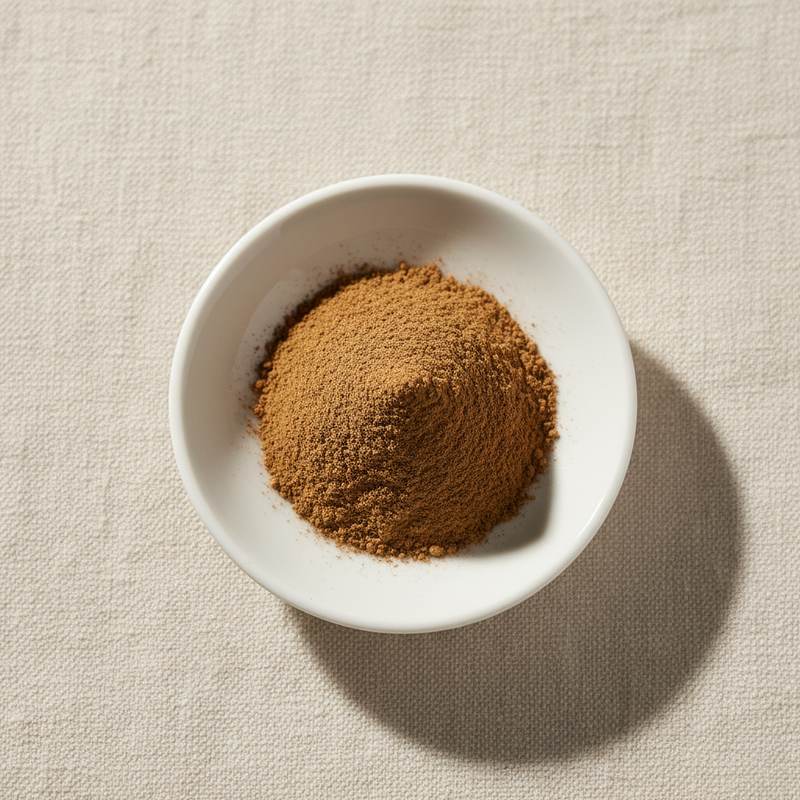
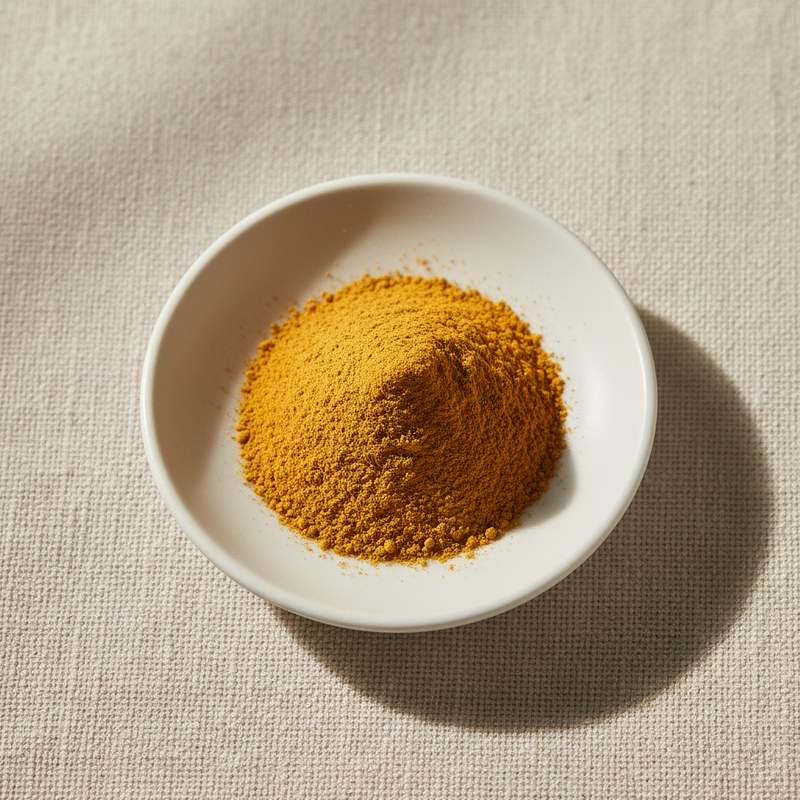
Light to dark brown free-flowing powder with characteristic astringent taste. Highly water-soluble.
We supply food-grade Triphala Extract from manufacturers in China holding ISO, Halal, Kosher and other certifications relevant to the product and production. Certified-organic grades are available.
Common market grades include 4:1 herb-to-extract ratio (the economy standard supplement grade), 10:1 herb-to-extract ratio (premium concentrated grade), 20 percent Total Tannins (the standardized supplement grade), 40 percent Total Tannins (premium standardized grade), and 45 percent Total Polyphenols (high-end concentrated grade).
Bulk and reduced-MOQ shipments. Batch-level COA covering total tannins (gravimetric or UV), total polyphenols, gallic acid content, residual solvents, heavy metals, pesticides, and microbiology.
Introduction
Triphala (Sanskrit for 'three fruits') is one of the most extensively used herbal formulations in Ayurvedic medicine, with documented use spanning at least 2,500 years. The formulation is classified as a tridoshic rasayana, meaning it balances all three Ayurvedic constitutional doshas and serves as a daily rejuvenative tonic.
Industrial production proceeds by hot-water or hydroalcoholic extraction of the dried three-fruit blend (typically combined in equal parts by weight before extraction, although some manufacturers extract the three fruits separately and then blend the extracts), followed by purification and standardization to defined tannin or polyphenol content.
Recognized as a permitted food ingredient by the U.S. FDA, the European Food Safety Authority, and equivalent regulators worldwide. Listed in the Ayurvedic Pharmacopoeia of India.
Clinical evidence supports gentle laxative and bowel-regularity effects, with additional evidence for antioxidant markers and oral-health applications. The traditional Ayurvedic evidence base is substantial; Western clinical research is more limited but generally supportive of the digestive and antioxidant positioning.
Strategic positioning combines traditional Ayurvedic positioning (the established South Asian market), digestive-health and detoxification dietary supplements (the largest Western volume application), and premium daily-wellness tonic formulations.
Where it is used
- Digestive-health dietary supplements: gentle laxative and bowel-regularity formulations (the dominant commercial application)
- Detoxification and cleanse-positioned supplement formulations
- Traditional Ayurvedic medicine: foundational rasayana formulations
- Premium daily-wellness multivitamin and tonic formulations
- Functional beverages including detox teas and wellness shots
- Oral-care applications: traditional Ayurvedic dental and gum-support formulations
- Beauty-from-within supplements with antioxidant positioning
- Premium pet supplements for digestive health
Technical data
| Item | Specification |
|---|---|
| Appearance | Light to dark brown free-flowing powder |
| Total tannins (UV) | 20% / 40% (grade dependent) |
| Total polyphenols | 45% (high-end grade) |
| Herb-to-extract ratio | 4:1 or 10:1 (unstandardized grades) |
| Loss on drying | ≤ 5.0% |
| Residue on ignition | ≤ 5.0% |
| Heavy metals (as Pb) | ≤ 2 mg/kg |
| Source | Emblica officinalis, Terminalia bellirica, and Terminalia chebula fruits (equal parts) |
Related ingredients
Ready to discuss business?
Send us your spec and requirement. We will respond with availability and pricing within 24 hours.