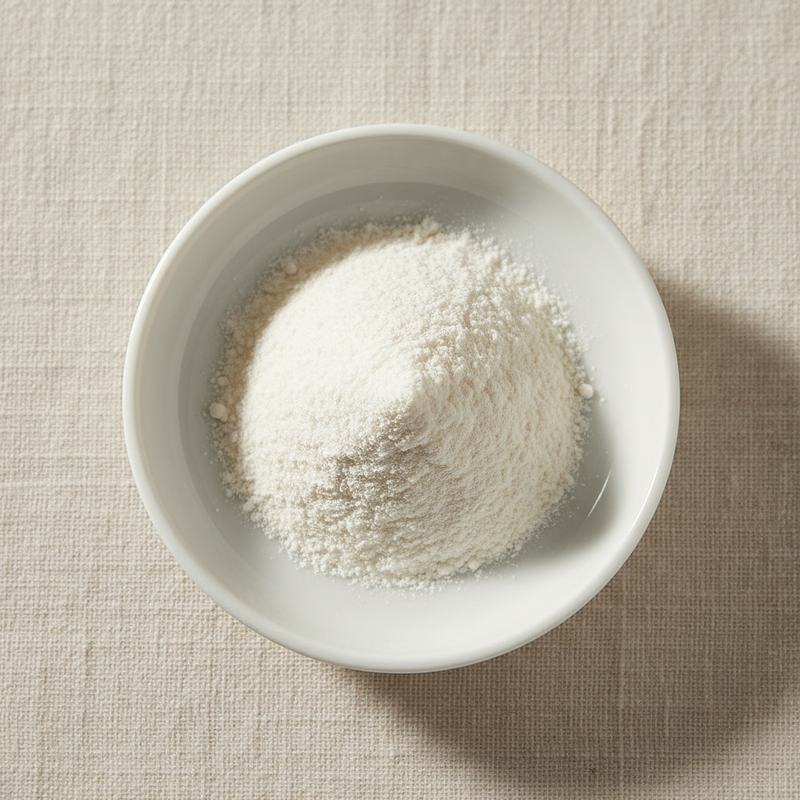
Description
A natural exudate harvested from incisions in the stems of Astragalus shrubs (principally Astragalus gummifer) native to Iran, Turkey, and surrounding regions. One of the oldest hydrocolloids in human use, distinguished by high acid stability, exceptional emulsion-stabilizing function, and very long shelf-stable viscosity in finished products.
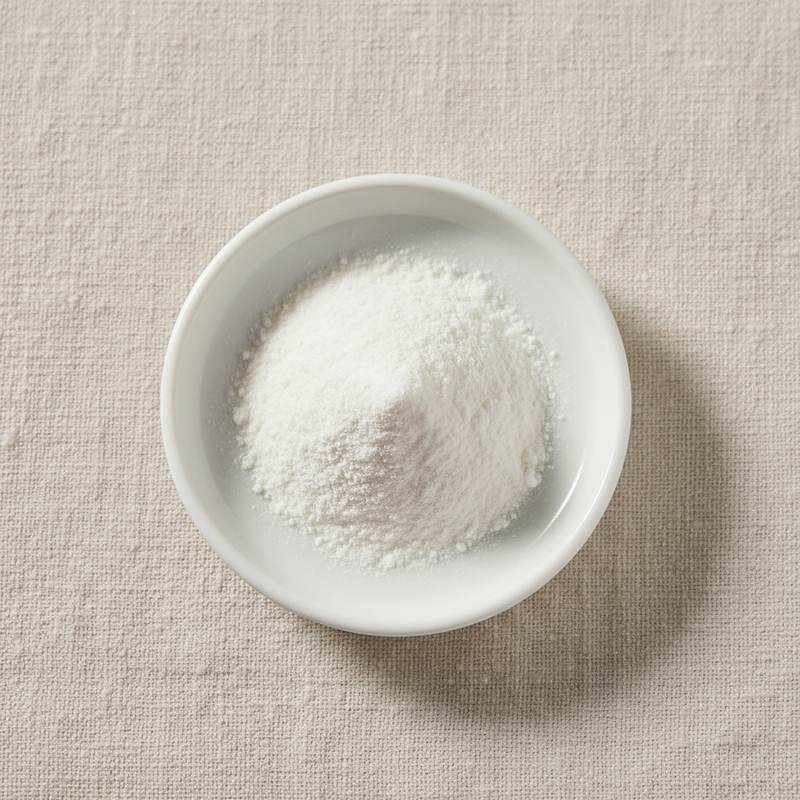
White to pale yellow flake (ribbon grade) or fine powder. Two distinct fractions: a soluble bassorin (60 to 70 percent) that swells but does not dissolve, and a soluble tragacanthin (30 to 40 percent) that dissolves completely. The combination produces highly pseudoplastic, acid-stable solutions.
We supply food-grade and pharmaceutical-grade Tragacanth Gum from manufacturers in China holding ISO, Halal, Kosher and other certifications relevant to the product and production.
Common market grades include Ribbon Grade (the premium flake form, hand-sorted by color and clarity), Flake Grade (intermediate quality), Powder Grade (standardized for industrial use), and Pharmaceutical Grade meeting USP, BP, and EP specifications.
Bulk and reduced-MOQ shipments. Batch-level COA covering viscosity, ash, color grade, heavy metals, and microbiology.
Introduction
Tragacanth has been harvested and used since antiquity, with documented application in ancient Persian, Greek, and Roman medicine and confectionery. The traditional production process (manual harvesting of natural exudate from Astragalus shrubs) has remained largely unchanged for 2,000 years and limits global supply.
Industrial production proceeds by manual incision of mature Astragalus stems, collection of the natural exudate after one to two weeks, sorting by hand into ribbon and flake grades, and either packaging in flake form or milling to powder. Iran remains the principal producer, supplying the majority of global volume.
Regulated as E413 in the EU, classified as Generally Recognized as Safe by the U.S. FDA, listed in BP, USP, EP, and JP pharmacopoeias, and approved by JECFA without a numerical Acceptable Daily Intake limit.
The two principal molecular fractions produce the distinctive functional behavior: bassorin is a heterogeneous polysaccharide that swells in water without dissolving, contributing to highly pseudoplastic flow and emulsion stabilization; tragacanthin is a water-soluble acidic polysaccharide that contributes solution viscosity.
Strategic positioning is the premium pharmaceutical and traditional-confectionery segments where the long history of pharmacopoeial use and the acid stability outweigh the high cost relative to xanthan and other modern hydrocolloids. Industrial volumes are small compared with xanthan and guar but unit prices remain elevated due to manual harvesting.
Where it is used
- Salad dressings, sauces, and oil-and-vinegar emulsions; the historical reference standard for acidic emulsion stabilization
- Confectionery: traditional Turkish lokum (delight), pastilles, and lozenges
- Bakery glazes and pastry icings requiring long shelf-stable viscosity
- Pharmaceutical applications: oral suspensions, topical gels, and tablet binders meeting USP and BP standards
- Cosmetic and personal-care: lotions, creams, and dental adhesive formulations
- Sugar art and royal-icing decoration in premium bakery
- Ice cream and dairy desserts in select premium and traditional formulations
- Specialty natural-positioning beverages and herbal tinctures requiring emulsion stability
Technical data
| Item | Specification |
|---|---|
| Appearance | White to pale yellow flake or fine powder |
| Viscosity (1% solution) | 3000 to 4500 cP (powder grade) |
| Loss on drying | ≤ 15.0% |
| Ash | ≤ 4.0% |
| Acid-insoluble ash | ≤ 0.5% |
| Heavy metals (as Pb) | ≤ 5 mg/kg |
| Arsenic | ≤ 3 mg/kg |
| Karaya identification | Negative |
| Total plate count | ≤ 5000 cfu/g |
Related ingredients
Ready to discuss business?
Send us your spec and requirement. We will respond with availability and pricing within 24 hours.