Description
A short-chain alkaline pyrophosphate used in meat processing for rapid pH lift, fast protein solubilization, and immediate water-binding effect in injection brines, fresh sausage, and ground meat formulations.
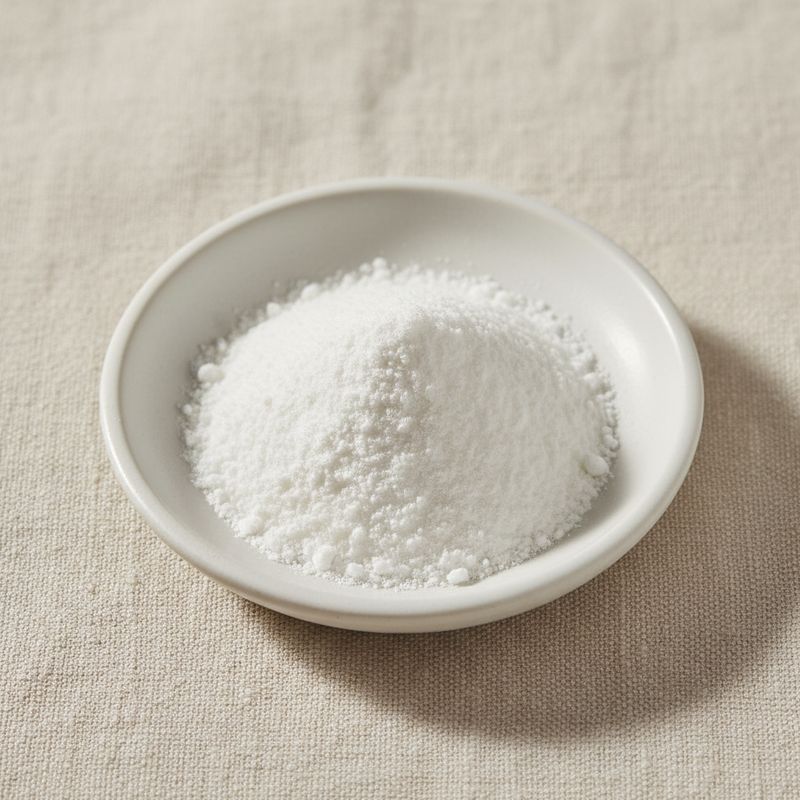
White crystalline powder. Highly water-soluble. TSPP works faster than Sodium Tripolyphosphate in cold brines and at short contact times, which is why it is the preferred phosphate for high-speed injection operations and for fresh meat products where tumbling time is limited.
We supply food-grade Tetrasodium Pyrophosphate from manufacturers in China holding ISO, Halal, Kosher and other certifications relevant to the product and production.
Common market grades include 96 percent and 97 percent food-grade TSPP in fine powder and granular formats, plus blended meat-phosphate systems combining TSPP with STPP, SHMP, and acid pyrophosphates for application-specific performance.
Bulk and reduced-MOQ shipments. Batch-level COA covering P2O5 content, pyrophosphate assay, water-insoluble matter, fluoride, heavy metals, and microbiology.
Introduction
Tetrasodium Pyrophosphate is the shortest of the meat-functional polyphosphates, containing two phosphate units linked by a single P-O-P bond. The short chain length translates directly into rapid solubilization, fast pH lift, and immediate activity on meat protein, at the cost of higher solution pH and faster hydrolysis to orthophosphate than longer-chain phosphates such as STPP.
Regulated as E450(iii) in the EU as part of the diphosphates group, classified as Generally Recognized as Safe by the U.S. FDA, and permitted by USDA FSIS at up to 0.5 percent total added phosphate (as P2O5) in meat and poultry.
The choice between TSPP and STPP in a given application is driven by process time. In long-tumbling operations, STPP is preferred because it delivers sustained protein-solubilization over hours of tumbling. In short-time fresh-meat and emulsion operations, TSPP is preferred because it delivers full activity within minutes of dissolution and does not require an extended contact time to develop functionality.
TSPP also has a higher solution pH (around 10.0 to 10.4 at 1 percent) than STPP, which makes it more effective at lifting meat pH away from the isoelectric point but also more prone to producing soapy off-notes if overdosed. Use levels in finished products are typically held to 0.15 to 0.25 percent on the meat block weight.
In commercial meat-phosphate blends TSPP is typically the fast-acting component and STPP the sustained-activity component, with SHMP added for calcium chelation. The relative ratios are calibrated to the specific application: more TSPP for fresh meat and short-time operations, more STPP for long-tumble cured products.
Where it is used
- High-speed injection brines for cooked hams and pumped meats where fast brine activity is required
- Fresh sausage, breakfast sausage, and bratwurst where short mixing times limit polyphosphate hydrolysis
- Ground beef and burger patties; reduces cook loss and improves juiciness at retail and food-service level
- Marinated chicken and turkey products in fast-line operations
- Frankfurters and bologna emulsions as part of multi-phosphate blends
- Restructured meat products including formed nuggets and patties
- Tuna and seafood canning as a color and texture stabilizer
- Cured and smoked sausages where rapid pH lift drives consistent cured-color development
Technical data
| Item | Specification |
|---|---|
| Appearance | White crystalline powder or granules |
| Tetrasodium Pyrophosphate (Na4P2O7) | ≥ 96.0% |
| P2O5 content | ≥ 53.0% |
| pH (1% solution) | 10.0 to 10.5 |
| Loss on drying (105 °C) | ≤ 0.5% |
| Water-insoluble matter | ≤ 0.1% |
| Fluoride | ≤ 30 mg/kg |
| Heavy metals (as Pb) | ≤ 10 mg/kg |
| Lead | ≤ 4 mg/kg |
| Arsenic | ≤ 3 mg/kg |
| Particle size | Per customer specification |
Related ingredients
Ready to discuss business?
Send us your spec and requirement. We will respond with availability and pricing within 24 hours.