Description
An extract from the leaves or roots of Stinging Nettle (Urtica dioica). Leaf extracts are positioned for allergy-support and antioxidant applications; root extracts target prostate-health and urinary-flow supplements. Standardized either to herb-to-extract ratio or to beta-sitosterol content (for root extracts).
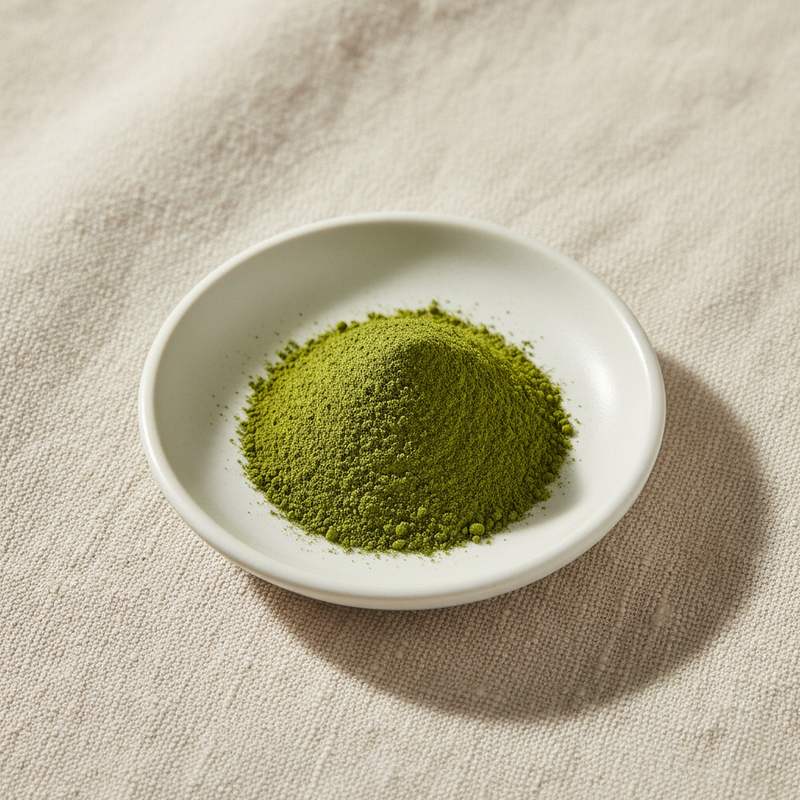
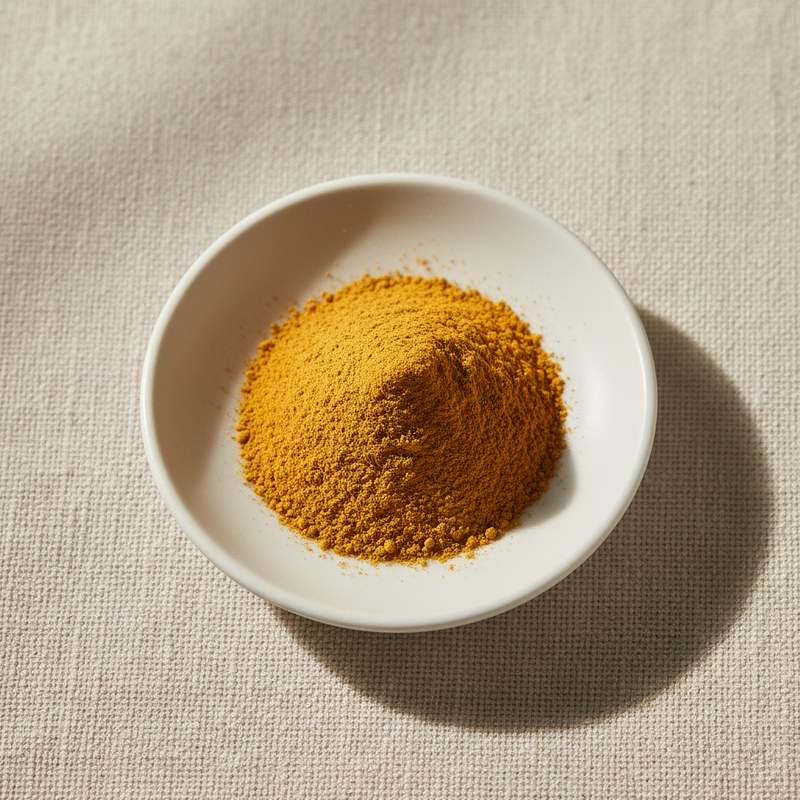
Green-brown (leaf) to yellow-brown (root) free-flowing powder. Highly water-soluble.
We supply food-grade Stinging Nettle Extract from manufacturers in China holding ISO, Halal, Kosher and other certifications relevant to the product and production.
Common market grades include Nettle Leaf 4:1 and 10:1 ratio extracts, Nettle Leaf 1 percent silica (mineral-positioning grade), Nettle Root 0.8 percent beta-sitosterol (the prostate-support workhorse grade), and Nettle Root 1 percent beta-sitosterol (premium grade).
Bulk and reduced-MOQ shipments. Batch-level COA covering beta-sitosterol content (for root grades, by GC), herb-to-extract ratio, residual solvents, heavy metals, pesticides, and microbiology.
Introduction
Stinging Nettle has been used as both food and medicine across European, Asian, and Native American traditions for over 2,000 years. The plant's defensive trichomes deliver formic acid, histamine, and serotonin on contact, which paradoxically forms the historical basis for the plant's medicinal positioning in allergy and inflammatory conditions.
Industrial production splits by plant part. Leaf extracts proceed by hot-water or hydroalcoholic extraction of dried aerial parts. Root extracts proceed by ethanol extraction with standardization to beta-sitosterol and other phytosterols which constitute the active fraction for prostate-support applications.
Recognized as a permitted food ingredient by the U.S. FDA, the European Food Safety Authority, and equivalent regulators worldwide. The European Medicines Agency has issued monographs for both nettle leaf (rheumatic complaints, urinary support) and nettle root (lower urinary tract symptoms associated with BPH).
Clinical evidence supports root-extract use in mild-to-moderate BPH symptoms, with multiple controlled trials showing improved urinary flow and reduced nocturia at typical doses of 300 to 600 mg per day. Leaf-extract evidence for allergy support is more limited but consistent with traditional use.
Strategic positioning combines prostate-health supplements (the premium root-extract segment, often formulated with saw palmetto and pygeum), seasonal-allergy support (the leaf-extract segment), and traditional herbal medicine applications.
Where it is used
- Prostate-health and benign prostatic hyperplasia (BPH) support supplements (the dominant root-extract application)
- Seasonal allergy and histamine-support dietary supplements (the dominant leaf-extract application)
- Joint-support and anti-inflammatory formulations
- Hair-loss and dermatological positioning in beauty supplements
- Traditional herbal medicine: arthritis and diuretic applications
- Functional beverages: herbal teas and wellness shots
- Cosmetic skincare: anti-acne and scalp-care formulations
- Veterinary applications in joint and urinary-support products
Technical data
| Item | Specification |
|---|---|
| Appearance | Green-brown (leaf) or yellow-brown (root) free-flowing powder |
| Beta-sitosterol (root grades, GC) | 0.8% / 1% (grade dependent) |
| Herb-to-extract ratio | 4:1 / 10:1 (leaf grades) |
| Loss on drying | ≤ 5.0% |
| Residue on ignition | ≤ 8.0% |
| Heavy metals (as Pb) | ≤ 2 mg/kg |
| Total plate count | ≤ 10000 cfu/g |
| Source | Urtica dioica leaves or roots |
Related ingredients
Ready to discuss business?
Send us your spec and requirement. We will respond with availability and pricing within 24 hours.