Description
A naturally derived high-intensity sweetener extracted from the leaves of Stevia rebaudiana. Rebaudioside A is the cleanest-tasting major steviol glycoside, approximately 200 to 300 times sweeter than sucrose with zero calories.
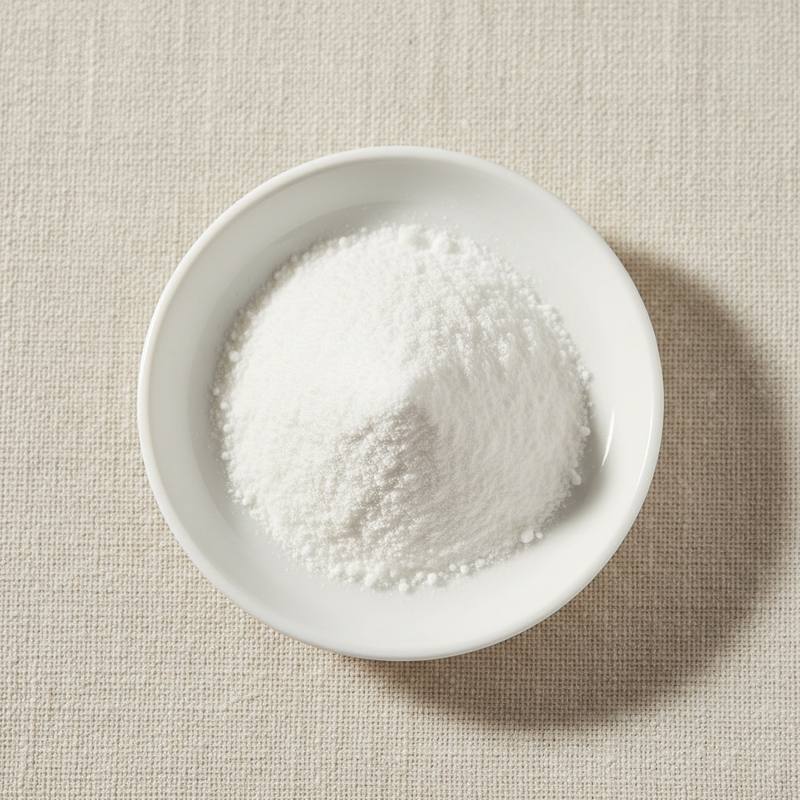
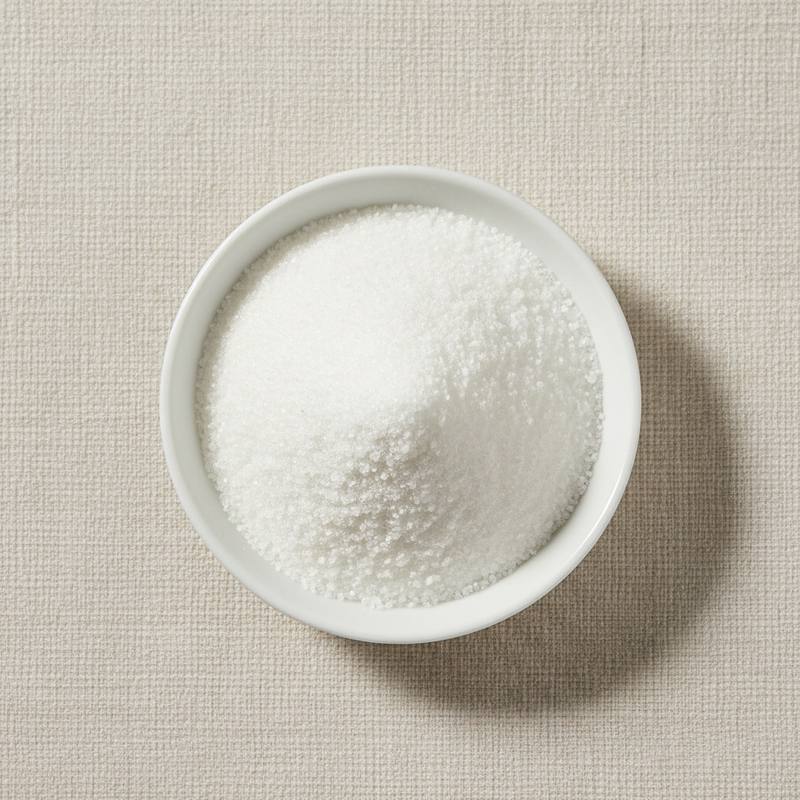
White to off-white powder. Available at customizable purity from 40 percent Reb A for blended applications up to 99 percent for premium beverage and tabletop use.
We supply food-grade Stevia Reb A from manufacturers in China holding ISO, Halal, Kosher and other certifications relevant to the product and production. Non-GMO, organic-compliant, and certified-organic grades are available on request.
Common market grades include Reb A 40%, 60%, 80%, 90%, 95%, 97%, and 99%, plus mixed-glycoside Stevia Extract at 80% to 95% total steviol glycosides. Higher-purity Rebaudioside M and Rebaudioside D are available for premium clean-taste applications.
Bulk and reduced-MOQ shipments. Batch-level COA covering Reb A content, total steviol glycosides, residual solvents (meeting JECFA limits), heavy metals, and microbiology.
Introduction
Stevia rebaudiana is a perennial herb native to Paraguay and Brazil, used by the Guarani people as a sweetening agent for at least 1,500 years. The active sweet compounds, the steviol glycosides, were chemically characterized by French researchers in 1931.
Industrial production starts with hot-water extraction of dried Stevia leaves, followed by membrane filtration, ion exchange, decolorization, recrystallization, and selective separation of the major glycosides. Rebaudioside A, the second-most abundant glycoside in the leaf, has a cleaner taste profile than stevioside and is the dominant commercial grade.
Regulated as E960 in the EU since 2011, classified as Generally Recognized as Safe by the U.S. FDA for high-purity steviol glycosides, and approved by JECFA with an Acceptable Daily Intake of 4 mg per kg body weight expressed as steviol equivalents.
Stevia Reb A is heat-stable through baking and retort, pH-stable from 3 to 9, and not metabolized by the human body in the systemic sense; the steviol glycosides are hydrolyzed to steviol in the colon, which is then conjugated and excreted.
A faint bitter or licorice-like aftertaste at high concentration is the principal formulation challenge, which has driven the development of higher-purity Reb A grades, the use of taste-modulating co-ingredients, and increasing commercial focus on Rebaudioside M and Rebaudioside D for premium clean-label applications.
Where it is used
- Sugar-free and reduced-sugar carbonated and still beverages; the dominant natural high-intensity sweetener in beverage reformulation
- Sugar-free dairy: yogurt, flavored milk, ice cream, and frozen desserts
- Tabletop natural sweetener formats: sachets, tablets, and 1:1 sugar-replacement blends with erythritol
- Sugar-free chocolate, candies, and chewing gum positioned for the natural and clean-label segment
- Sugar-free baked goods, cookies, and breakfast cereals; heat-stable through baking
- Functional and nutraceutical beverages including herbal teas, wellness shots, and plant-protein drinks
- Sugar-free sauces, dressings, jams, and condiments
- Pharmaceutical syrups and chewable tablets where natural sweetening is required
- Diabetic and clinical-nutrition formulas; non-glycemic with no insulin response
Technical data
| Item | Specification |
|---|---|
| Appearance | White to off-white powder |
| Rebaudioside A content | ≥ 95.0% (customizable from 40% to 99%) |
| Total steviol glycosides | ≥ 95.0% |
| Loss on drying | ≤ 6.0% |
| pH (1% solution) | 4.5 to 7.0 |
| Heavy metals (as Pb) | ≤ 5 mg/kg |
| Arsenic | ≤ 1 mg/kg |
| Residue on ignition | ≤ 1.0% |
| Solvent residues | Meets JECFA limits |
| Particle size | Per customer specification |
Related ingredients
Ready to discuss business?
Send us your spec and requirement. We will respond with availability and pricing within 24 hours.