Description
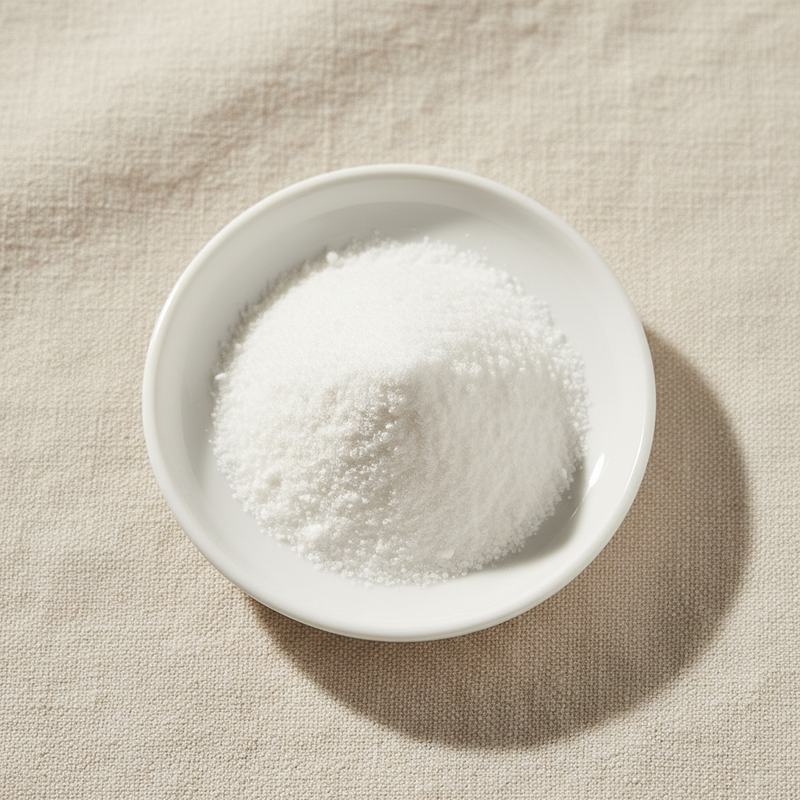
A six-carbon sugar alcohol with approximately 60 percent the sweetness of sucrose and a soft, cooling taste. The most widely used polyol globally across food, pharmaceutical, oral-care, and industrial applications.
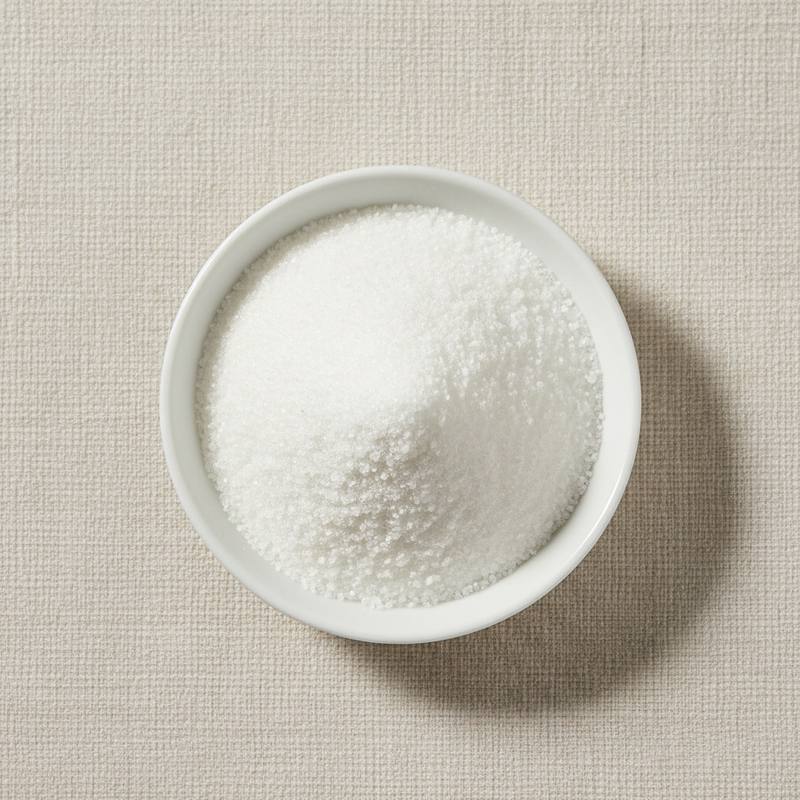
White crystalline powder. Highly hygroscopic, which makes it valuable as a humectant in baked goods, confectionery, and personal-care products where moisture retention is desired.
We supply food-grade and pharmaceutical-grade Sorbitol Powder from manufacturers in China holding ISO, Halal, Kosher and other certifications relevant to the product and production.
Common market formats include Crystalline Powder (90% min and 99% min purity), Granular for direct compression, 70 percent Liquid Solution (the dominant format in toothpaste manufacturing), and Non-crystallizing Liquid for cosmetics and personal care.
Bulk and reduced-MOQ shipments. Batch-level COA covering purity, reducing sugars, total sugars, and microbiology.
Introduction
Sorbitol was first isolated from rowan berries by French chemist Jean-Baptiste Boussingault in 1872. It occurs naturally in fruits including apples, pears, peaches, and prunes.
Industrial production is by catalytic hydrogenation of glucose, producing crystalline Sorbitol of food-grade and pharmaceutical-grade purity. Powder, crystalline, and 70-percent-solution formats serve different application requirements.
Regulated as E420 in the EU, classified as Generally Recognized as Safe by the U.S. FDA, listed in USP, EP, JP, and BP pharmacopoeias, and approved by JECFA without a numerical Acceptable Daily Intake limit.
Caloric value is 2.6 kcal per gram and the glycemic index is approximately 9, both substantially lower than sucrose. Sorbitol is metabolized through an insulin-independent pathway and absorbed more slowly than glucose, supporting use in diabetic product development.
The compound's commercial dominance traces to a combination of low cost, broad regulatory acceptance, and a property profile that few competing polyols match in any single application: humectancy for toothpaste, bulk for chewing gum, sweetness for syrups, and chemical reactivity as a feedstock for industrial vitamin C production.
Where it is used
- Toothpaste, mouthwash, and oral hygiene products; the dominant humectant and bulk sweetener in modern toothpaste formulation
- Sugar-free chewing gum and confectionery; provides bulk, sweetness, and shelf-life softness
- Sugar-free baked goods, cookies, and energy bars; humectant action prevents drying and extends shelf life
- Pharmaceutical syrups, oral solutions, and chewable tablets; non-cariogenic vehicle for active ingredients
- Sugar-free jams, jellies, and dessert fillings
- Cosmetics and personal-care products including creams, lotions, and shaving foams; humectant and texturizer
- Diabetic confectionery and dietary products; lower glycemic index than sucrose
- Sugar-free ice cream and frozen desserts; freezing-point depression and softness control
- Industrial applications including vitamin C synthesis as a fermentation feedstock and surfactant precursor
- Tobacco humectant in cigarette manufacturing
Technical data
| Item | Specification |
|---|---|
| Appearance | White crystalline powder |
| Assay (dry basis) | ≥ 99.0% |
| Loss on drying | ≤ 1.5% |
| pH (10% solution) | 4.5 to 7.0 |
| Melting point | 95 °C to 100 °C |
| Heavy metals (as Pb) | ≤ 5 mg/kg |
| Arsenic | ≤ 2 mg/kg |
| Reducing sugars | ≤ 0.2% |
| Total sugars | ≤ 1.0% |
| Particle size | Per customer specification |
Related ingredients
Ready to discuss business?
Send us your spec and requirement. We will respond with availability and pricing within 24 hours.