Description
A polyol sugar alcohol used in pharmaceutical solid-dose and liquid formulations as a sweetener, humectant, filler for chewable and orally disintegrating tablets, and vehicle in oral liquid preparations. Selected over sucrose in pharmaceutical liquids and chewables for its non-cariogenicity and its acceptability in diabetic and pediatric formulations.
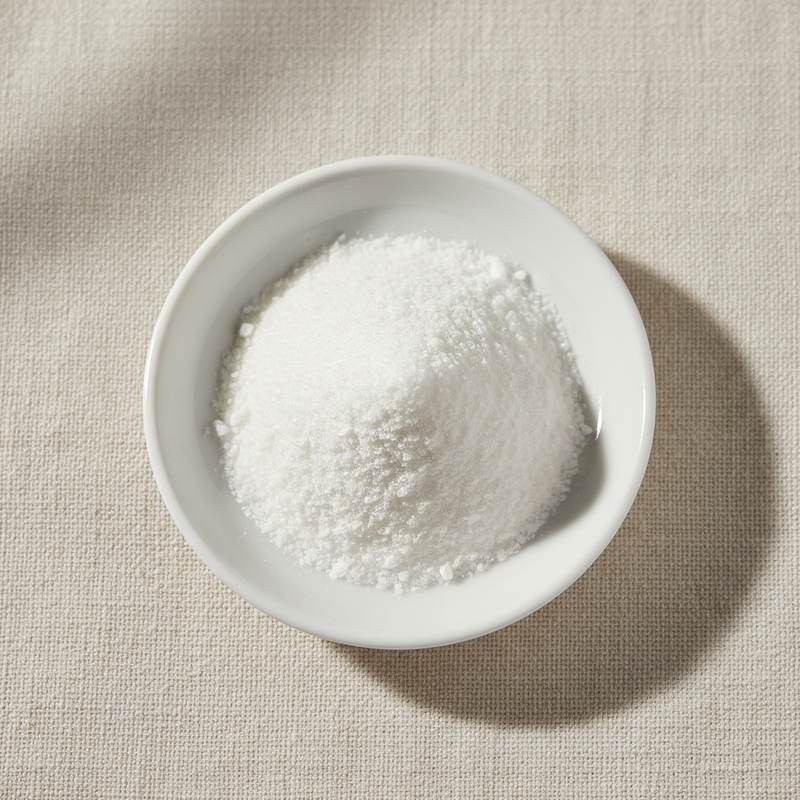
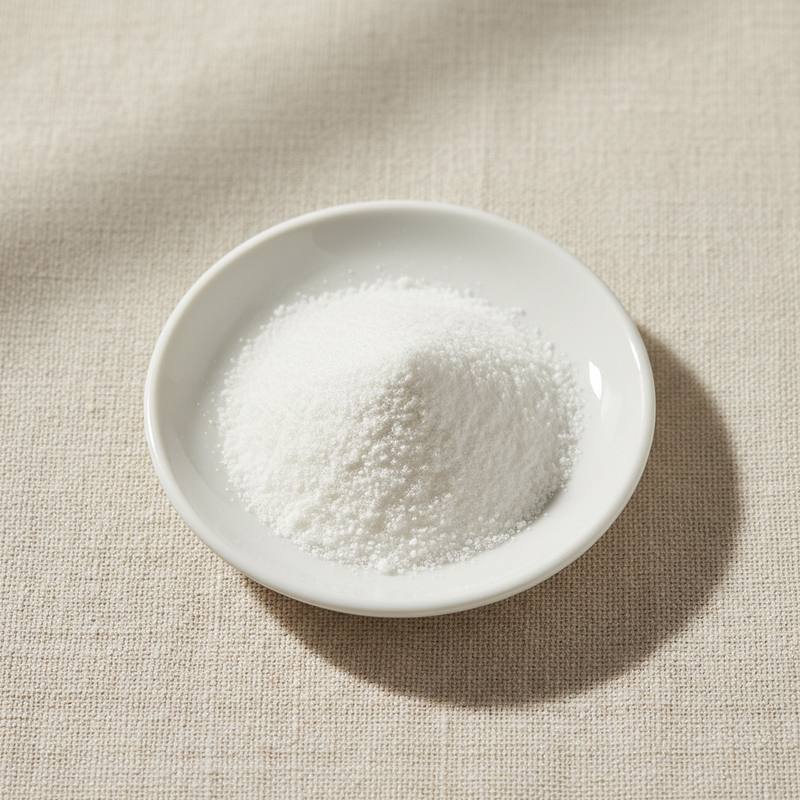
Supplied as white crystalline powder (solid grades), as direct-compression granulated grade for chewable and orally disintegrating tablets, or as a clear, colorless, viscous 70 percent aqueous solution for liquid formulations. Sweet taste, cooling sensation in the mouth (negative heat of solution), freely soluble in water.
We supply pharmaceutical-grade Sorbitol from manufacturers in China holding ISO, GMP, USP/EP/JP DMF, Halal, Kosher, and other certifications relevant to the product and production. Pharmaceutical grade is segregated from food-grade production and supported by full pharmacopoeial documentation.
Common market grades include crystalline Sorbitol (sweetener and filler), direct-compression Sorbitol (free-flowing agglomerates for chewable and ODT tableting), Sorbitol Solution 70 percent (oral liquid vehicle), and non-crystallizing Sorbitol Solution 70 percent for formulations where recrystallization on standing must be prevented.
Bulk and reduced-MOQ shipments. Batch-level COA covering identification, assay, reducing sugars, related polyols, water content, conductivity, chloride, sulfate, heavy metals, and microbiology against USP, EP, JP, and BP monographs.
Introduction
Sorbitol was first isolated from rowanberry juice by the French chemist Jean-Baptiste Boussingault in 1872 and entered industrial production by catalytic hydrogenation of D-glucose in the 1930s. It has been listed in pharmacopoeial monographs since the 1940s and is one of the principal polyol excipients in modern solid-dose and oral liquid pharmaceutical formulation.
Production proceeds by catalytic hydrogenation of D-glucose syrup over a Raney nickel or supported ruthenium catalyst under pressure. The reaction is essentially quantitative, and the product is purified by ion exchange, evaporation, and either crystallization (for solid grades) or controlled standardization to 70 percent solids (for the liquid grade). Direct-compression granulated grades are produced by spray drying or agglomeration of the crystallized material.
Listed in USP-NF, EP, JP, and BP monographs. Assigned E420 in food. FDA Inactive Ingredient Database listed for oral, topical, ophthalmic, and parenteral routes.
The defining functional advantages over sucrose are non-cariogenicity (Sorbitol is not fermented by oral bacteria to dental-erosive acids), low glycemic index (acceptable for diabetic formulations), and a cooling mouthfeel useful in chewable and lozenge palatability. Direct-compression Sorbitol grades have largely displaced sucrose-based DC fillers in modern chewable tablet formulation.
Strategic position: pharmaceutical Sorbitol is one of the principal polyol excipients in regulated solid-dose markets and the dominant sweetener-vehicle in pharmaceutical oral liquids. Crystalline versus DC versus solution grade selection is driven directly by the dosage form.
Where it is used
- Direct-compression filler in chewable and orally disintegrating tablets
- Sweetener in pharmaceutical chewable and lozenge tablets
- Vehicle in oral liquid pharmaceutical preparations (Sorbitol Solution 70)
- Humectant in pharmaceutical syrups and elixirs
- Plasticizer in soft-gel and chewable gummy formulations
- Crystallization inhibitor in sugar-free pharmaceutical liquids
- Sweetener in diabetic and pediatric pharmaceutical formulations
- Bulking agent in lyophilized cake formulations
- Stabilizer for protein-containing pharmaceutical liquids
Technical data
| Item | Specification |
|---|---|
| Appearance | White crystalline powder, DC agglomerates, or clear viscous 70% solution |
| Compliance | USP/NF, EP, JP, BP current edition |
| Identification | Conforms to pharmacopoeial tests |
| Assay (D-sorbitol, anhydrous basis) | ≥ 97.0% (solid) or ≥ 70.0% in solution grade |
| Reducing sugars (as glucose) | ≤ 0.3% |
| Related polyols (mannitol, maltitol) | ≤ 2.0% |
| Water content (solid grades) | ≤ 1.0% |
| Water content (Solution 70%) | 28% to 31% |
| pH (10% solution) | 5.0 to 7.0 |
| Conductivity | ≤ 20 µS/cm |
| Chloride | ≤ 50 mg/kg |
| Sulfate | ≤ 100 mg/kg |
| Heavy metals (as Pb) | ≤ 5 mg/kg |
| Nickel | ≤ 1 mg/kg |
| Lead | ≤ 0.5 mg/kg |
| Particle size (DC grade) | D50 typical 200 to 400 microns |
| Bulk density (DC grade) | 0.50 to 0.70 g/mL |
| Total aerobic count | ≤ 100 CFU/g |
| E. coli, Salmonella | Absent |
| Source | Hydrogenation of D-glucose from maize or wheat starch; non-GMO available |
Related ingredients
Ready to discuss business?
Send us your spec and requirement. We will respond with availability and pricing within 24 hours.