Description
A resistant dextrin produced by controlled hydrolysis and rearrangement of tapioca starch. Recognized as a soluble dietary fiber in the United States and other major regulatory jurisdictions, with 70 to 85 percent fiber content on a dry-weight basis.
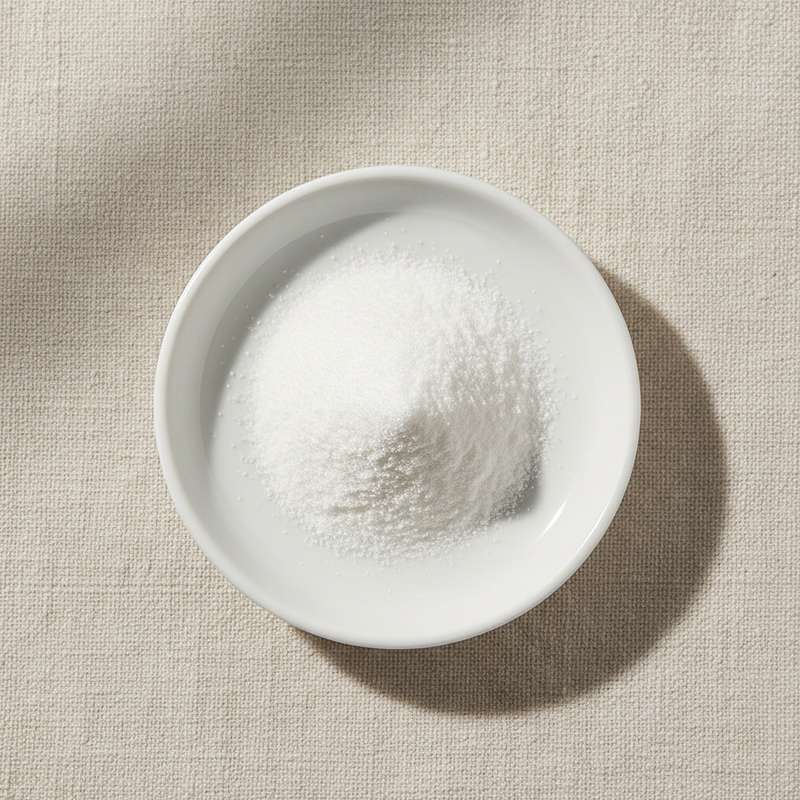
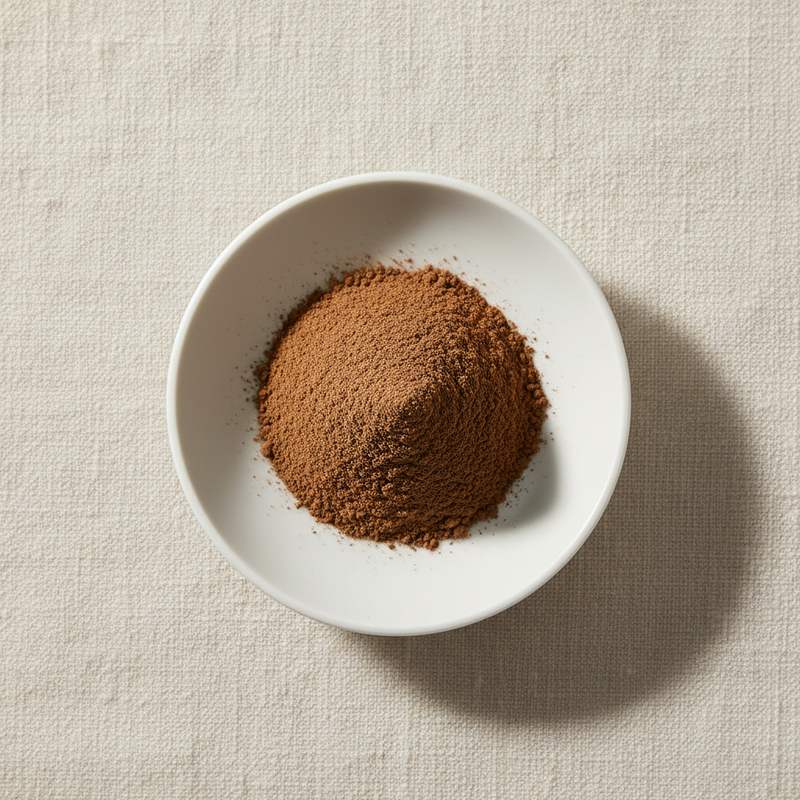
White to off-white free-flowing powder. Highly water-soluble. Low viscosity in solution, neutral flavor, and minimal sweetness, supporting easy integration into a wide range of beverage and food applications.
We supply food-grade Soluble Tapioca Fiber from manufacturers in China holding ISO, Halal, Kosher, and Non-GMO certifications relevant to the product and production.
Common market grades include Standard Resistant Tapioca Dextrin (70% fiber), High-Fiber Tapioca Dextrin (85% fiber) for premium nutrition bar and clean-label use, and Liquid Tapioca Fiber for beverage manufacturing.
Bulk and reduced-MOQ shipments. Batch-level COA covering total dietary fiber (AOAC 2001.03 or 2009.01), moisture, sulfated ash, and microbiology.
Introduction
Soluble tapioca fiber is a resistant dextrin produced by acid hydrolysis and heat-induced rearrangement of tapioca starch. The process creates non-digestible glycosidic bonds that resist human digestion enzymes but ferment in the colon as a prebiotic substrate.
Production starts from refined tapioca starch. Controlled acid hydrolysis and pyrolysis under low moisture create a randomized glycosidic structure with a high fraction of beta-(1,2), beta-(1,6), and alpha-(1,6) linkages that are resistant to small-intestinal enzymes. The product is then purified by carbon decolorization, ion exchange, and chromatographic enrichment of the resistant fraction.
Recognized by the U.S. FDA as a soluble dietary fiber in 2018, approved for fiber-content labeling under U.S. nutrition regulations, and listed as Generally Recognized as Safe. EFSA and other major regulators accept the ingredient as a soluble fiber.
Tapioca-derived soluble fiber has displaced corn-derived isomaltooligosaccharide and chicory inulin in many U.S. protein-bar and nutrition formulations following the 2018 U.S. FDA fiber-labeling decision, which excluded several other resistant carbohydrates from fiber-content claims while accepting resistant tapioca dextrin.
Where it is used
- Protein and nutrition bars; the leading high-fiber bar carbohydrate for clean-label positioning
- Beverages and RTD products; fiber fortification without viscosity contribution
- Bakery cookies, cakes, and breakfast cereals; high-fiber claims and texture support
- Yogurt and dairy fiber fortification
- Gummies and confectionery fiber-fortified products
- Sugar-reduced formulations; bulks and stabilizes reduced-sugar systems
- Keto and low-carb products; net-carb friendly under U.S. labeling rules
- Functional beverages and meal replacements
Technical data
| Item | Specification |
|---|---|
| Appearance | White to off-white free-flowing powder |
| Total dietary fiber (AOAC 2009.01) | ≥ 70.0% to ≥ 85.0% per grade |
| Moisture | ≤ 6.0% |
| pH (10% solution) | 3.5 to 6.0 |
| Sulfated ash | ≤ 0.5% |
| Reducing sugars (as glucose) | ≤ 15.0% |
| Sulfur dioxide | ≤ 20 mg/kg |
| Heavy metals (as Pb) | ≤ 0.5 mg/kg |
| Total plate count | ≤ 1,000 CFU/g |
Related ingredients
Ready to discuss business?
Send us your spec and requirement. We will respond with availability and pricing within 24 hours.