Description
The standardized extract of Salvia miltiorrhiza (red sage, danshen in Traditional Chinese Medicine), containing tanshinones (lipophilic diterpene quinones) and salvianolic acids (water-soluble polyphenols) as the principal active compounds. Used in cardiovascular-support supplements and as a major pharmaceutical herb in China.
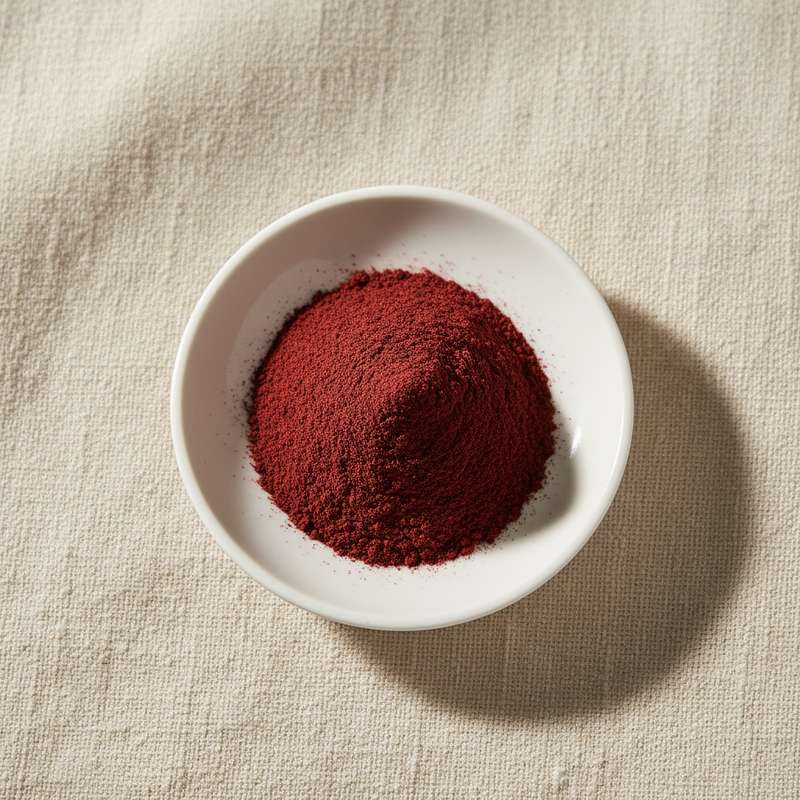
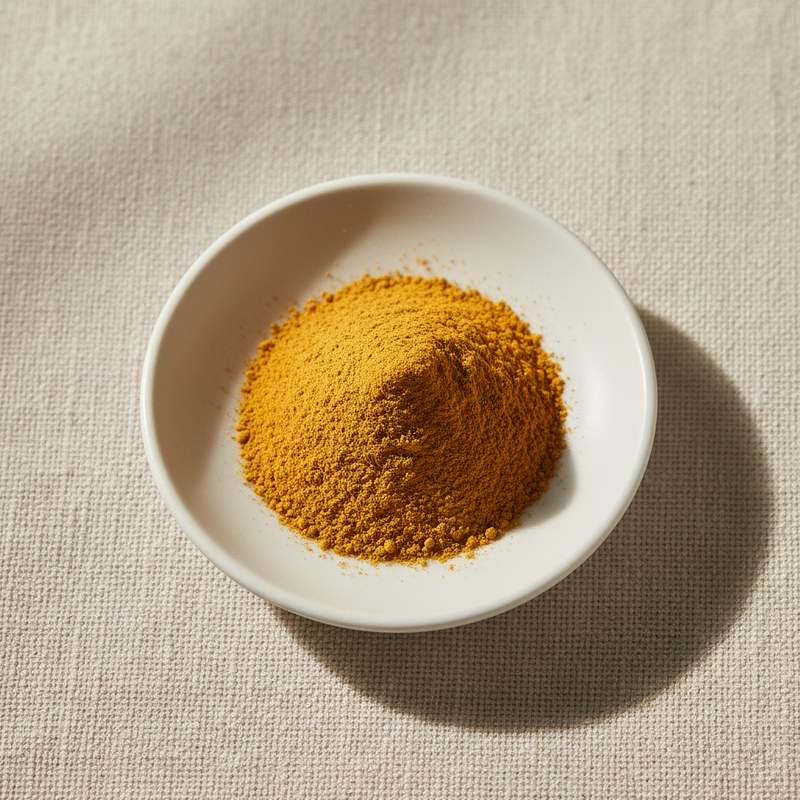
Reddish-brown to dark brown free-flowing powder. The water-soluble grade is highly soluble; the tanshinone grade has limited water solubility.
We supply food-grade Salvia Miltiorrhiza from manufacturers in China holding ISO, Halal, Kosher and other certifications relevant to the product and production.
Common market grades include 10:1 herb-to-extract ratio (the baseline), Tanshinone IIA 1 to 10 percent standardized, Salvianolic Acid B 5 to 50 percent standardized, Pure Tanshinone IIA 98 percent (pharmaceutical grade), and Pure Salvianolic Acid B 98 percent (pharmaceutical grade).
Bulk and reduced-MOQ shipments. Batch-level COA covering tanshinone IIA content (HPLC), salvianolic acid B content (HPLC), residual solvents, heavy metals, pesticides, and microbiology.
Introduction
Salvia miltiorrhiza has been used in Traditional Chinese Medicine for over 1,500 years for cardiovascular conditions, menstrual complaints, and circulation support. The herb is among the most commercially significant traditional Chinese medicines globally, with injectable danshen formulations among the most-prescribed cardiovascular products in Chinese hospitals.
Industrial production proceeds by ethanol extraction (for the lipophilic tanshinone fraction) and hot-water extraction (for the water-soluble salvianolic acid fraction), followed by purification and standardization. Pharmaceutical-grade isolated compounds undergo additional chromatographic purification.
Listed in Chinese Pharmacopoeia as a pharmaceutical product. Recognized as a permitted food ingredient and traditional medicine ingredient in China and most Asian markets; sold as a dietary supplement in the U.S. and several other markets.
The tanshinone diterpenoids have vasodilatory and platelet-aggregation-inhibitory activities. The salvianolic acid polyphenols have additional antioxidant and endothelial-protective effects. Clinical evidence for cardiovascular endpoints is substantial within the Chinese clinical literature.
Strategic positioning is dominated by traditional Chinese medicine and pharmaceutical applications in China, with growing cardiovascular-supplement market presence globally.
Where it is used
- Cardiovascular-support dietary supplements: the dominant commercial application
- Traditional Chinese Medicine: danshen formulations and modern granule formats (the largest volume application in China)
- Pharmaceutical applications: injectable danshen formulations are widely prescribed in China for cardiovascular and cerebrovascular conditions
- Cosmetic skincare: anti-aging and skin-circulation-support formulations
- Liver-support and detoxification supplements
- Pharmaceutical research applications
- Veterinary applications for cardiovascular support in companion animals
Technical data
| Item | Specification |
|---|---|
| Appearance | Reddish-brown to dark brown free-flowing powder |
| Tanshinone IIA (HPLC) | 1% / 5% / 10% / 98% (grade dependent) |
| Salvianolic Acid B (HPLC) | 5% / 20% / 50% / 98% (grade dependent) |
| Loss on drying | ≤ 5.0% |
| Residue on ignition | ≤ 5.0% |
| Heavy metals (as Pb) | ≤ 2 mg/kg |
| Total plate count | ≤ 10000 cfu/g |
| Source | Salvia miltiorrhiza dried roots |
Related ingredients
Ready to discuss business?
Send us your spec and requirement. We will respond with availability and pricing within 24 hours.