Description
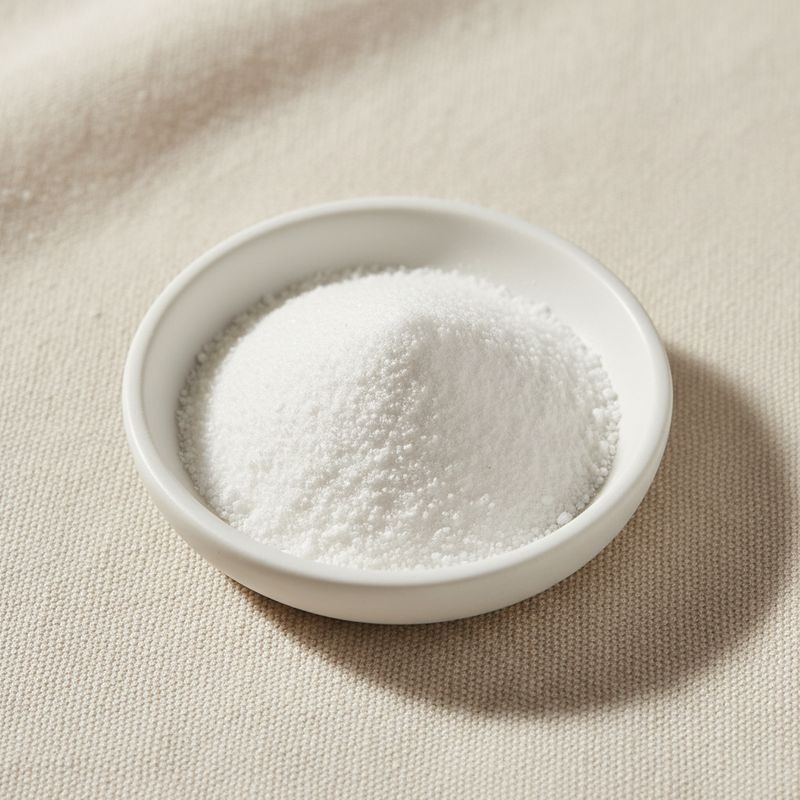
An insoluble cross-linked polymer of N-vinyl-2-pyrrolidone used as the standard polyphenol-binding stabilizer in beer brewing, wine production, and tea beverage clarification.
Off-white to pale yellow free-flowing powder, insoluble in water and organic solvents. Functions by hydrogen bonding to polyphenols (proanthocyanidins, catechins, tannins) in the beverage, removing them with the filter cake before they can polymerize with proteins into chill haze.
We supply food-grade PVPP from manufacturers in China holding ISO, Halal, Kosher and other certifications relevant to the product and production.
Common market grades include single-use PVPP for direct dosing into the lager tank prior to filtration, regenerable PVPP in larger particle sizes for stabilization rigs that recover and recycle the polymer over hundreds of cycles, and bagged PVPP filter pads for smaller breweries without dedicated regeneration equipment.
Bulk and reduced-MOQ shipments. Batch-level COA covering free monomer (N-vinylpyrrolidone), particle size, bulk density, peroxide value, and microbiology.
Introduction
PVPP was developed in Germany during the 1950s and commercialized by BASF as an insoluble alternative to soluble polyvinylpyrrolidone (PVP) for applications where the polymer needed to bind impurities and then be removed cleanly from the product.
Brewing was and remains the principal application. Beer haze on chilling is caused by hydrogen-bonded complexes between proteins and polyphenols (chiefly proanthocyanidins from malt and hops). Removing either partner eliminates the haze, and PVPP removes polyphenols by competing with the protein for the same hydrogen-bond sites. A single 20 to 80 g/hL dose followed by filtration provides 6 to 12 months of cold-stability shelf life.
Regenerable PVPP, the dominant format in industrial brewing since the 1990s, is supported by a dedicated regeneration plant adjacent to the filter: the polyphenol-loaded PVPP is washed with hot caustic to elute the bound polyphenols, then re-acidified and rinsed to neutral pH ready for reuse. Polymer life across 300 to 1,000 cycles is typical, which transforms PVPP from a cost-per-hectoliter consumable into a capital ingredient.
Regulatory status is as a permitted processing aid in beer, wine, and other beverages under EU, U.S. FDA (21 CFR 173.50), and OIV codex rules. Residual free monomer N-vinylpyrrolidone must remain below 10 mg/kg in the polymer for food-grade approval. PVPP is not declared on the finished product label because it is removed by filtration.
Where it is used
- Beer colloidal stabilization to prevent chill haze and extend non-refrigerated shelf life
- Wine fining for harsh tannin and bitter-phenol removal in white and rosé
- Juice and tea beverage clarification where polyphenol-induced turbidity develops on storage
- Polyphenol removal in ready-to-drink iced tea to prevent tea-cream formation
- Vinegar polishing
- Cider and perry stabilization
- Pharmaceutical excipient as a disintegrant (crospovidone) in tablets
- Pet food and supplement palatability improvement through tannin reduction
Technical data
| Item | Specification |
|---|---|
| Appearance | Off-white to pale yellow free-flowing powder |
| Loss on drying | ≤ 6.0% |
| pH (1% suspension) | 5.0 to 8.0 |
| Free N-vinylpyrrolidone | ≤ 10 mg/kg |
| Particle size (single-use grade) | 30 to 100 µm |
| Particle size (regenerable grade) | 100 to 250 µm |
| Bulk density | 0.3 to 0.5 g/cm3 |
| Peroxide value | ≤ 400 mg/kg |
| Sulfated ash | ≤ 0.4% |
| Heavy metals (as Pb) | ≤ 10 mg/kg |
| Solubility in water | Insoluble |
Related ingredients
Ready to discuss business?
Send us your spec and requirement. We will respond with availability and pricing within 24 hours.