
Description
A specialty water-in-oil emulsifier produced by esterification of polyglycerol with condensed ricinoleic acid (polyricinoleic acid) from castor oil. The dominant viscosity-reduction agent in chocolate and chocolate compound manufacturing, alongside soy lecithin.
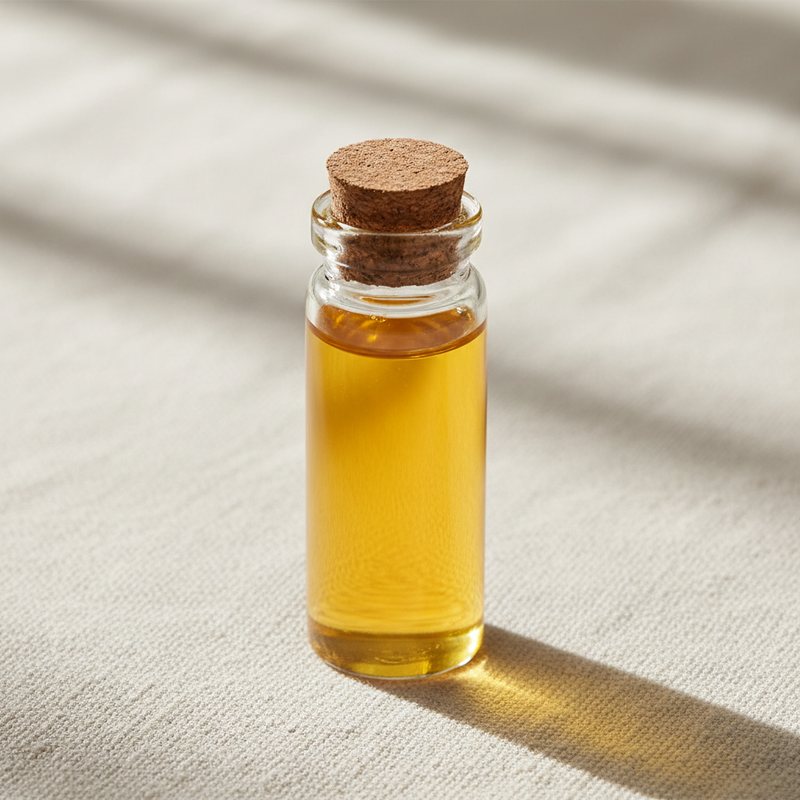
Amber to dark brown viscous liquid. Soluble in fats and oils; insoluble in water.
We supply food-grade Polyglycerol Polyricinoleate from manufacturers in China holding ISO, Halal, Kosher and other certifications relevant to the product and production.
Common market grades are largely uniform on specification, with variation in iodine value and viscosity reflecting different castor oil sources and processing conditions. All grades target the same chocolate viscosity-reduction application.
Bulk and reduced-MOQ shipments. Batch-level COA covering acid value, iodine value, hydroxyl value, polyglycerol composition, and microbiology.
Introduction
PGPR was developed in the 1950s in the United Kingdom and Germany as a specialty water-in-oil emulsifier, with chocolate viscosity reduction emerging as the dominant commercial application by the 1970s.
Production begins with castor oil hydrolysis to free ricinoleic acid, followed by self-condensation to polyricinoleic acid through the secondary hydroxyl of one molecule and the carboxylic acid of the next. Polyglycerol (typically tri- or tetraglycerol) is then esterified with the polyricinoleic acid to produce the finished emulsifier.
Regulated as E476 in the EU at a maximum use level of 5 g/kg in cocoa-based confectionery, classified as Generally Recognized as Safe by the U.S. FDA in chocolate applications, and approved by JECFA with an Acceptable Daily Intake of 25 mg per kg body weight.
The functional role in chocolate is reduction of yield value, the resistance to initial flow that must be overcome before chocolate begins to move. Soy lecithin reduces plastic viscosity but has limited effect on yield value above approximately 0.4 percent inclusion. PGPR addresses yield value specifically, typically at 0.2 to 0.5 percent, allowing chocolate to be molded, deposited, and enrobed at lower cocoa butter content, with significant raw-material cost savings.
Where it is used
- Chocolate, chocolate compound coatings, and cocoa-based confectionery; the primary yield-value reducer that allows lower cocoa butter inclusion and improved flow during molding and enrobing
- Filled chocolate, pralines, and hollow chocolate figures; controls flow during depositing and shell formation
- Low-fat and reduced-fat chocolate formulations; supports manufacturability when cocoa butter is reduced
- Cocoa powder coatings and chocolate-flavored snack coatings
- Pan-coated chocolate confectionery; smooths shell flow during panning
- Filled and aerated chocolate bars; controls viscosity at deposit
- Bakery chocolate chips and inclusions; flow during deposit and tempering
- Margarine, low-fat spreads, and other water-in-oil systems requiring stable interface
Technical data
| Item | Specification |
|---|---|
| Appearance | Amber to dark brown viscous liquid |
| Acid value | ≤ 6.0 mg KOH/g |
| Iodine value | 72 to 103 |
| Hydroxyl value | 80 to 100 mg KOH/g |
| Saponification value | 170 to 210 mg KOH/g |
| Polyglycerols (di-, tri-, tetra-, penta-, hexaglycerol) | ≥ 75.0% |
| Heavy metals (as Pb) | ≤ 5 mg/kg |
| Arsenic | ≤ 2 mg/kg |
| Total plate count | ≤ 1,000 CFU/g |
| Form | Liquid |
Related ingredients


Ready to discuss business?
Send us your spec and requirement. We will respond with availability and pricing within 24 hours.