Description
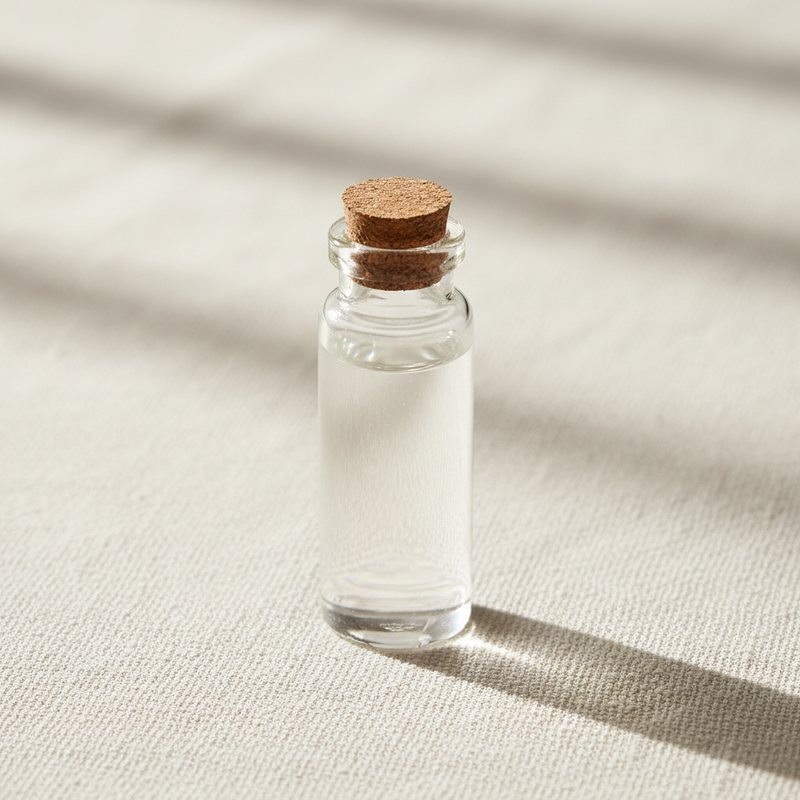
The liquid form of polydextrose, supplied as a concentrated aqueous solution at approximately 70 percent solids. Distinct from the powdered form in handling: liquid polydextrose feeds directly into beverage and bakery processes without dissolution steps.
Pale yellow viscous liquid. Highly water-soluble. Provides 1 kcal per gram and contributes 90 percent or more dietary fiber on a dry-weight basis, the same nutritional profile as powdered polydextrose.
We supply food-grade Polydextrose Liquid from manufacturers in China holding ISO, Halal, Kosher and other certifications relevant to the product and production. Distinct from the powdered presentation of polydextrose used for dry-blend bakery applications.
Common market grades include Type N Liquid (neutral pH 5.0 to 6.0) for general food use and Type A Liquid (acidic pH 2.5 to 3.5) for low-pH beverage and confectionery applications.
Bulk and reduced-MOQ shipments. Batch-level COA covering polymer content, solids content, impurity profile, sulfated ash, and microbiology.
Introduction
The liquid form of polydextrose serves the same nutritional and functional purposes as the powder form but is positioned for industrial customers whose processes are designed around liquid sweetener and ingredient handling.
Polydextrose itself is a branched indigestible polymer synthesized by random condensation of glucose with small amounts of sorbitol and citric acid. The liquid form is produced by stopping short of the final spray-drying step, recovering the concentrated solution after refining through carbon decolorization and ion exchange.
Regulated as E1200 in the EU, permitted in U.S. food applications under 21 CFR 172.841, recognized by the U.S. FDA as a dietary fiber in 2018, and approved by JECFA without a numerical Acceptable Daily Intake limit.
For beverage manufacturers building fiber-fortified products at scale, liquid polydextrose offers direct inline addition, faster process throughput, and elimination of the dissolution step required by powder. The trade-off is a higher transportation and storage cost per unit of active fiber, which makes liquid most attractive for large-volume liquid-process users.
Where it is used
- Beverages and RTD product manufacturing; liquid handling supports inline dosing without dissolution
- Functional and high-fiber juices, smoothies, and meal-replacement drinks
- Confectionery liquid formulations including jams, jellies, and dessert toppings
- Yogurt and dairy drink fiber fortification
- Sauces, dressings, and condiment formulations
- Ice cream and frozen dessert texture and freezing-point control
- Pharmaceutical syrups requiring soluble-fiber addition
- Bakery shelf-life and softness extension in liquid-dose plants
Technical data
| Item | Specification |
|---|---|
| Appearance | Pale yellow viscous liquid |
| Solids content | 70% ± 2% |
| Polymer content (dry basis) | ≥ 90.0% |
| 1,6-Anhydro-D-glucose (dry basis) | ≤ 4.0% |
| D-Glucose (dry basis) | ≤ 4.0% |
| Sorbitol (dry basis) | ≤ 2.0% |
| 5-Hydroxymethylfurfural and related compounds | ≤ 0.05% |
| pH (as supplied) | 2.5 to 6.0 per grade |
| Sulfated ash (dry basis) | ≤ 2.0% |
| Heavy metals (as Pb) | ≤ 5 mg/kg |
Related ingredients
Ready to discuss business?
Send us your spec and requirement. We will respond with availability and pricing within 24 hours.