Description
The proteolytic enzyme complex extracted from pineapple stem (Ananas comosus), a cysteine-protease preparation valued for digestive-support, anti-inflammatory, and meat-tenderizing applications. Activity is the primary commercial specification, reported in GDU (Gelatin Digesting Units) or MCU (Milk Clotting Units) per gram.
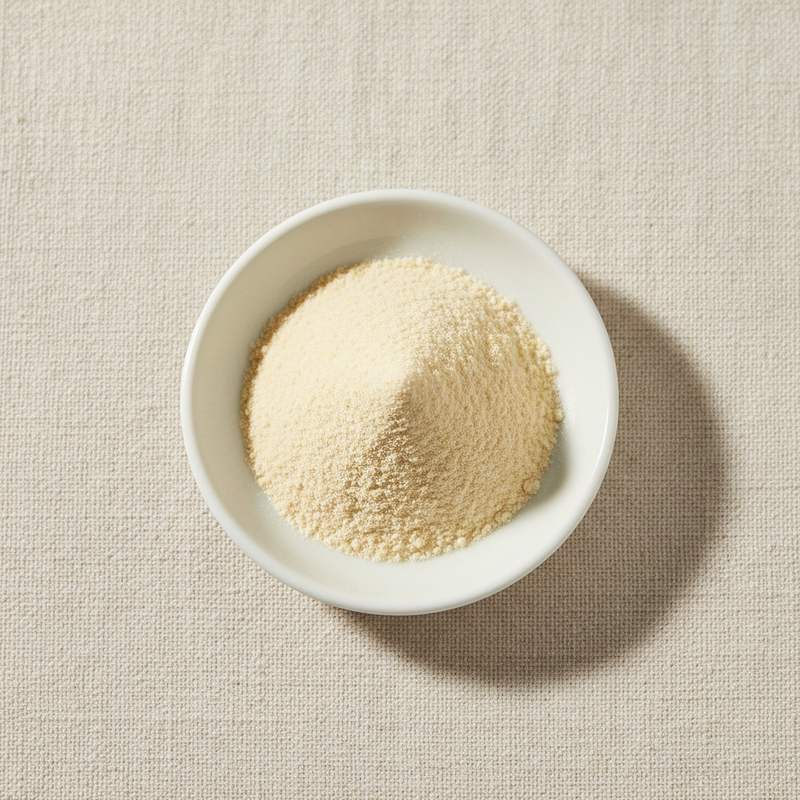
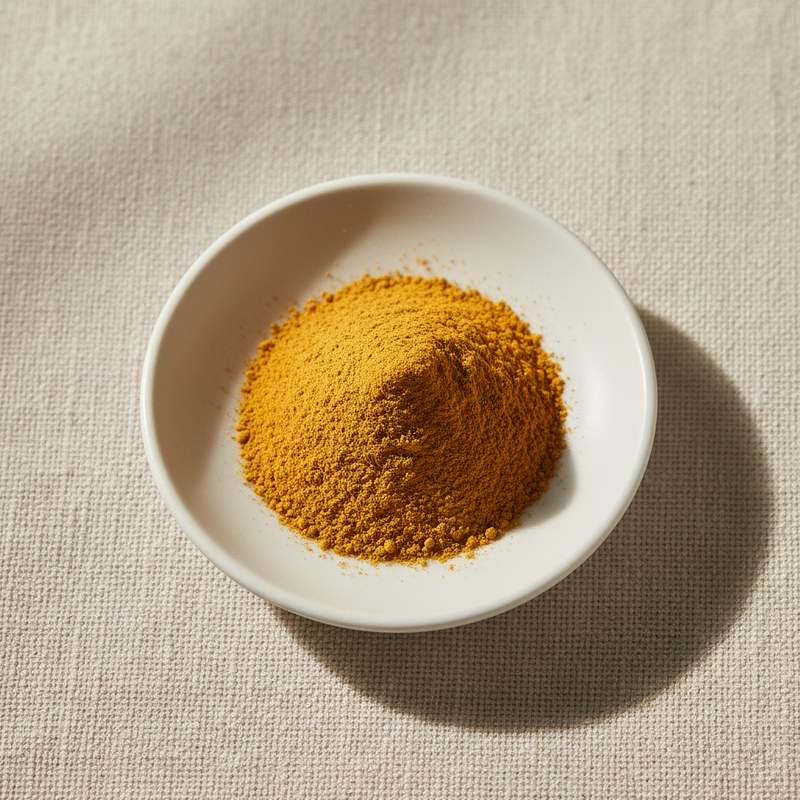
Light yellow to cream-colored free-flowing powder with characteristic mild pineapple aroma. Highly water-soluble; activity is best maintained in cool, dry storage with protection from moisture.
We supply food-grade Pineapple Bromelain from manufacturers in China holding ISO, Halal, Kosher and other certifications relevant to the product and production.
Common market grades include 1200 GDU/g (entry-level supplement grade), 2400 GDU/g (the dominant commercial grade for both supplement and food applications), 3000 GDU/g (premium high-activity grade), 5000 GDU/g (high-end specialty grade), and Pharmaceutical Bromelain meeting specific clinical-grade activity and purity specifications. Activity declarations in MCU are also routinely supplied (one rough conversion is 1 GDU equals approximately 1.5 MCU).
Bulk and reduced-MOQ shipments. Batch-level COA covering enzyme activity (GDU and MCU assays), protein content, source identity, residual solvents, heavy metals, microbiology, and Salmonella and E. coli testing.
Introduction
Bromelain was first isolated from pineapple in the late 1800s and entered commercial production in the mid-1900s following recognition of its proteolytic activity. The bulk of commercial bromelain is produced from pineapple stem rather than fruit, since the stem (a by-product of pineapple-canning operations) contains substantially higher protease activity per kilogram of fresh material than the fruit itself, making stem-bromelain the economically dominant commercial preparation worldwide.
Industrial production proceeds by aqueous extraction of fresh pineapple stem juice, followed by ultrafiltration, precipitation, and spray-drying to yield the finished enzyme powder. Activity is sensitive to processing temperature, and well-controlled manufacturers achieve consistent declared activities by careful control of extraction and drying conditions.
Recognized as a permitted food ingredient by the U.S. FDA (GRAS), the European Food Safety Authority, and equivalent regulators worldwide. Pharmaceutical-grade bromelain is approved as a wound-debridement preparation in the European Union and several other jurisdictions.
Strategic positioning combines the established digestive-support and joint-health supplement categories, the meat-tenderizing food-processing application, and pharmaceutical wound-care applications.
Where it is used
- Digestive-support dietary supplements (the dominant supplement application)
- Anti-inflammatory and joint-support supplement formulations
- Sports nutrition: muscle-recovery and post-exercise inflammation formulations
- Sinusitis-support and respiratory-comfort supplement applications
- Pharmaceutical applications: debridement preparations for wound care
- Meat tenderizing in food processing
- Brewing applications: chill-haze removal in beer production
- Bakery applications: dough-conditioning in specific applications
- Veterinary applications: digestive and anti-inflammatory formulations
Technical data
| Item | Specification |
|---|---|
| Appearance | Light yellow to cream-colored free-flowing powder |
| Activity (GDU) | 1200 / 2400 / 3000 / 5000 GDU/g (grade dependent) |
| Activity (MCU) | declared per grade |
| Protein content | ≥ 40% |
| Loss on drying | ≤ 5.0% |
| Heavy metals (as Pb) | ≤ 2 mg/kg |
| Total plate count | ≤ 50000 cfu/g |
| Salmonella / E. coli | negative in 25 g / 10 g |
| Source | Ananas comosus stem |
Related ingredients
Ready to discuss business?
Send us your spec and requirement. We will respond with availability and pricing within 24 hours.