Description
A vitamin-like compound historically classified as Vitamin B10 and a precursor to folate in bacteria. Used in dietary supplements for hair, skin, and connective-tissue support and in pharmaceutical applications for sun protection and specific clinical indications.
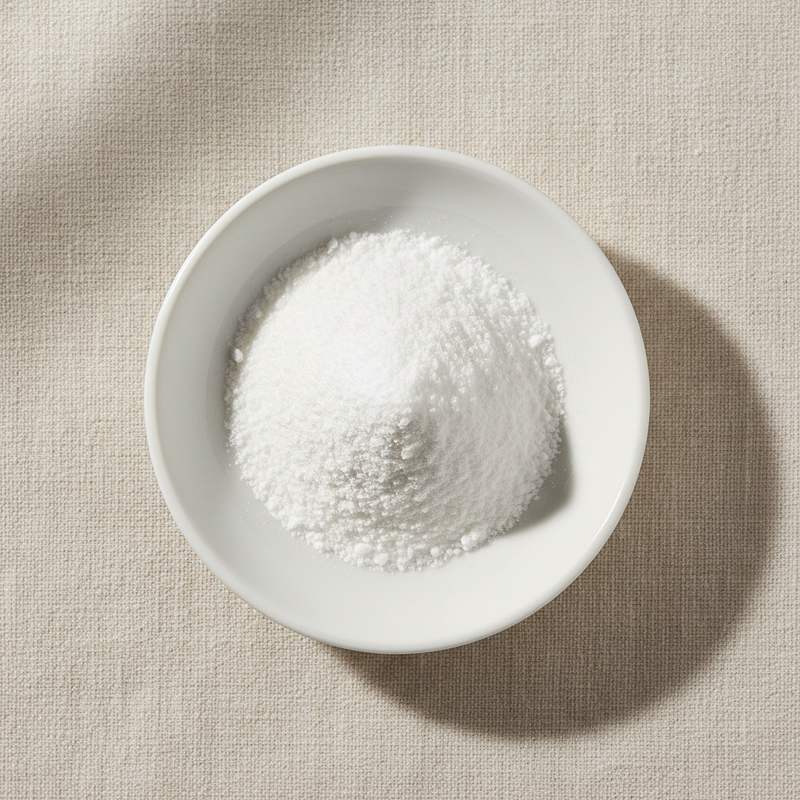
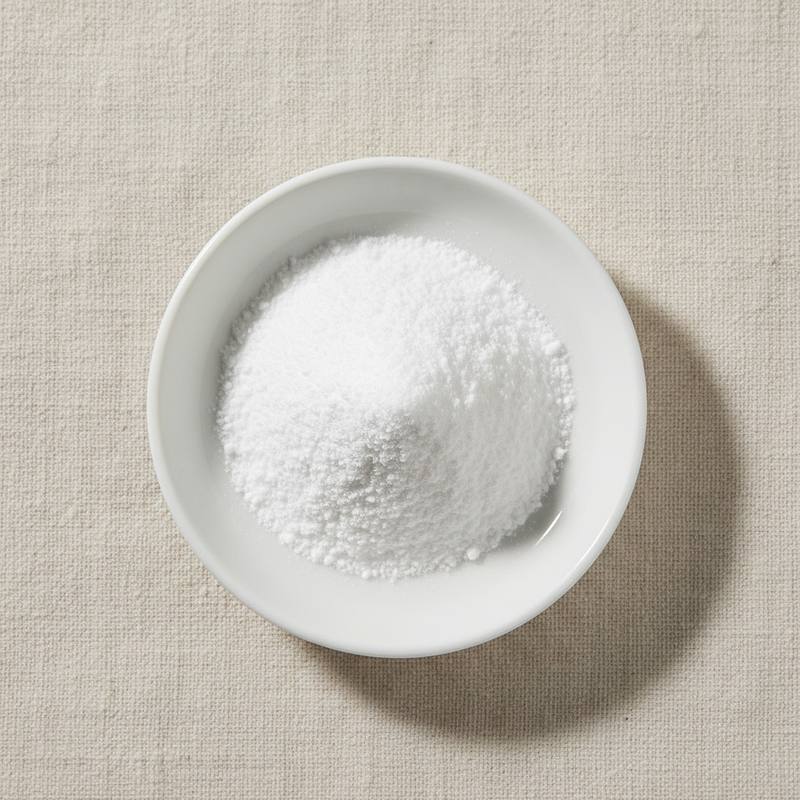
White to off-white crystalline powder. Stable under normal storage conditions; slightly light-sensitive. Bitter taste. Typical supplement doses are 100 to 500 milligrams.
We supply pharmaceutical-grade and supplement-grade PABA from manufacturers in China holding ISO, Halal, Kosher and other certifications relevant to the product and production.
Common market grades include Pharmaceutical Grade (USP/BP/EP, ≥ 99 percent purity), Cosmetic Grade (for sunscreen and personal-care formulations), Supplement Grade (FCC compliant), and the potassium salt (Potaba) for specific pharmaceutical applications.
Bulk and reduced-MOQ shipments. Batch-level COA covering assay, melting point, related substances, heavy metals, and microbiology.
Introduction
Para-aminobenzoic acid (PABA) is a vitamin-like compound historically classified as Vitamin Bx or Vitamin B10. The compound is an essential nutrient for many bacteria as the immediate precursor to folate biosynthesis, but humans (like all mammals) absorb preformed folate and do not require PABA as a vitamin.
Industrial production proceeds by chemical synthesis from p-nitrotoluene through oxidation to p-nitrobenzoic acid followed by reduction of the nitro group to the amino group. The product is purified by crystallization to commercial specifications.
Approved as a dietary supplement ingredient in the United States and most markets. Approved as a pharmaceutical (potassium aminobenzoate, Potaba) by the U.S. FDA for Peyronie's disease and scleroderma indications since 1948. Was previously approved as a sunscreen ingredient but largely replaced by modern UV filters with better safety and broader-spectrum protection.
Strategic positioning is the natural-products supplement segment, where the hair-and-skin positioning supports steady volumes despite the absence of strong clinical evidence for the cosmetic claims in non-deficient individuals. Pharmaceutical positioning is limited to the legacy Potaba indications.
The compound is largely deprecated as a sunscreen ingredient due to allergenicity concerns and the availability of better modern UV filters; current cosmetic positioning is small relative to the historical 1970s-1980s usage.
Where it is used
- Dietary supplements: hair, skin, and connective-tissue support formulations
- Pharmaceutical applications: Peyronie's disease and scleroderma management (potassium salt form)
- Cosmetic and skincare formulations (historical sunscreen ingredient, largely replaced by modern UV filters)
- Multivitamin formulations in the natural-products segment
- Anti-graying-of-hair supplement positioning
- Industrial applications: dye and polymer synthesis intermediate
- Analytical chemistry reference standard
- Folic acid synthesis intermediate (industrial use)
Technical data
| Item | Specification |
|---|---|
| Appearance | White to off-white crystalline powder |
| Assay (dry basis) | 99.0% to 101.0% |
| Loss on drying | ≤ 0.5% |
| Residue on ignition | ≤ 0.1% |
| Melting point | 186 °C to 189 °C |
| Related substances | ≤ 0.5% |
| Heavy metals (as Pb) | ≤ 10 mg/kg |
| Arsenic | ≤ 3 mg/kg |
| Particle size | Per customer specification |
Related ingredients
Ready to discuss business?
Send us your spec and requirement. We will respond with availability and pricing within 24 hours.