Description
A direct biosynthetic precursor to NAD+, the central redox cofactor in cellular metabolism. NMN is converted to NAD+ in a single enzymatic step by the NMNAT family of enzymes.
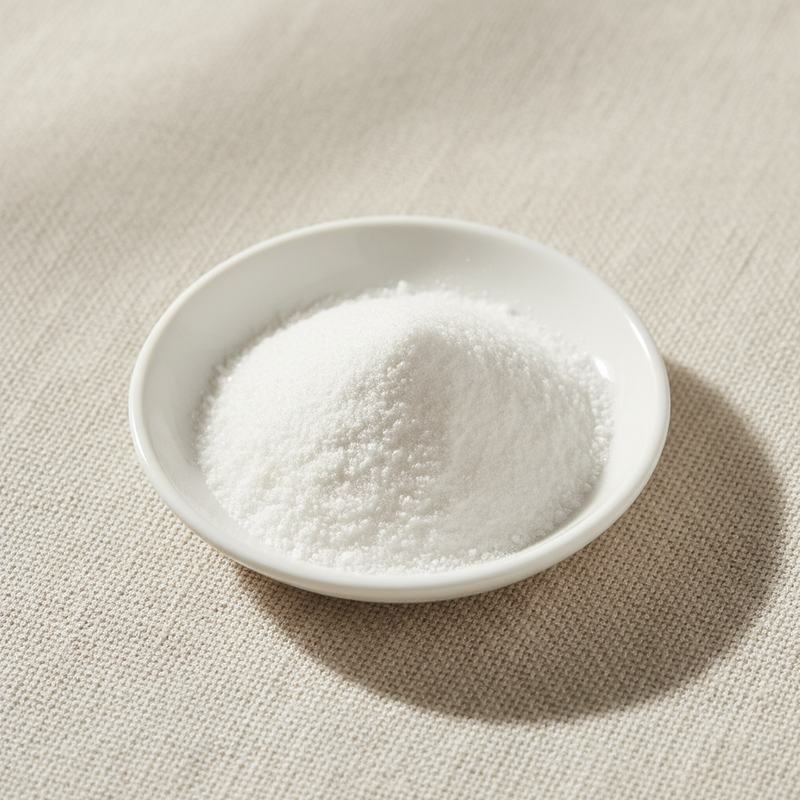
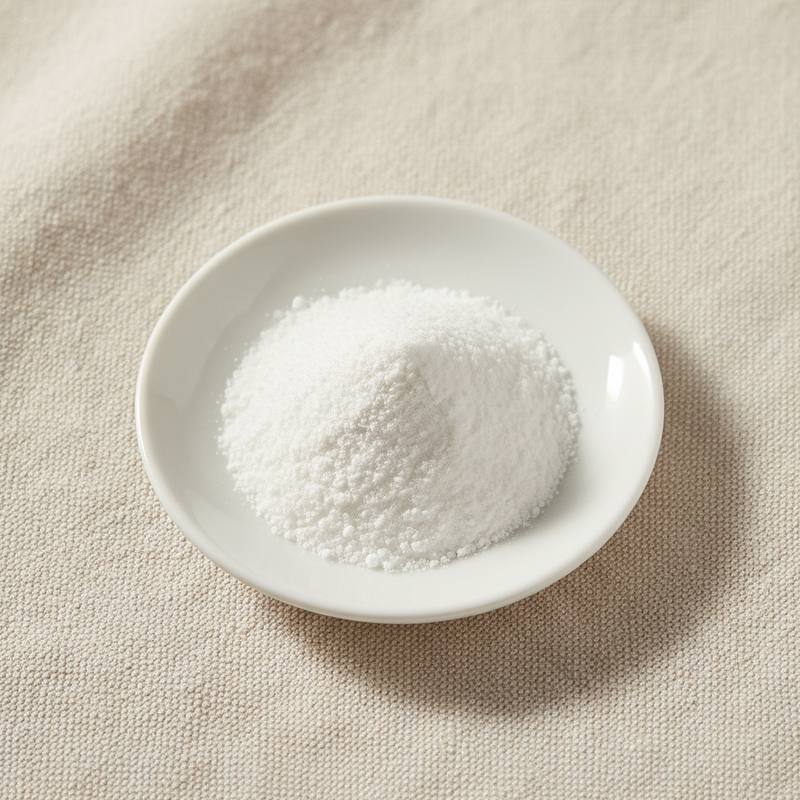
White to off-white crystalline powder. Highly hygroscopic and water-soluble. Stable under cool, dry, light-protected conditions; degrades on exposure to heat, moisture, and acidic pH.
We supply food-grade β-Nicotinamide Mononucleotide from manufacturers in China holding ISO, Halal, Kosher and other certifications relevant to the product and production. Material is produced by enzymatic synthesis from nicotinamide and ribose precursors.
Common market grades include 99 percent and 99.5 percent purity NMN, plus enteric-coated and sublingual-tablet formats produced by downstream specialists. Higher purity grades typically command meaningful price premiums in the premium-longevity channel.
Bulk and reduced-MOQ shipments. Batch-level COA covering assay, β-anomer ratio, related substances including nicotinamide and nicotinic acid, residual solvents, heavy metals, and microbiology.
Introduction
The role of NAD+ in cellular metabolism has been understood since the early twentieth century, but NMN itself became a commercially significant nutraceutical only after the publication of work by David Sinclair and colleagues at Harvard from 2013 onwards showing measurable benefits in age-related murine models.
Commercial production is by enzymatic synthesis, typically starting from nicotinamide and a phosphorylated ribose donor, followed by chromatographic purification and crystallisation. Chemical synthesis routes are also in use but yield lower β-anomer ratios.
Regulatory status varies substantially by jurisdiction. NMN is approved as a supplement in Japan, China, and many other Asian markets, and is widely sold in the EU and the United Kingdom. In the United States the FDA in late 2022 declined to recognise NMN as a lawful dietary supplement ingredient pending resolution of an investigational drug claim, although the ingredient remains commercially available through most distribution channels.
NMN raises NAD+ levels through a one-step enzymatic conversion, in contrast to nicotinamide riboside (NR) which requires two enzymatic steps. Comparative pharmacokinetic and clinical data between NMN and NR remain active areas of research, with both ingredients commanding strong commercial positions in the longevity category.
Stability is a meaningful formulation consideration: NMN degrades on exposure to humidity, heat, and acidic pH. Premium finished products typically use enteric-coated or sublingual delivery systems to protect the molecule from gastric acid and improve absorption.
Where it is used
- Anti-aging and longevity supplements; the defining commercial application for the ingredient
- Cellular-energy and metabolic-health formulations
- Cognitive-support supplements positioned for healthy brain aging
- Cardiovascular-health products targeting endothelial NAD+ levels
- Premium multivitamin and women's-health formulations
- Sports and recovery supplements at the premium tier
- Functional foods and wellness drinks in Asian markets
- Cosmetic and skin-aging formulations including topical serums
Technical data
| Item | Specification |
|---|---|
| Appearance | White to off-white crystalline powder |
| Assay (HPLC, dry basis) | ≥ 99.0% |
| β-anomer ratio | ≥ 99.0% |
| Loss on drying | ≤ 1.0% |
| Nicotinamide | ≤ 0.5% |
| Heavy metals (as Pb) | ≤ 10 mg/kg |
| Arsenic | ≤ 1 mg/kg |
| Residual solvents | Meets ICH Q3C limits |
| Microbiology | Meets pharmacopoeial limits |
| Storage | Sealed, protected from light and moisture, 2 °C to 8 °C recommended |
Related ingredients
Ready to discuss business?
Send us your spec and requirement. We will respond with availability and pricing within 24 hours.