Description
A blended polysaccharide extract from multiple medicinal and functional mushroom species, typically including reishi (Ganoderma lucidum), shiitake (Lentinula edodes), maitake (Grifola frondosa), and turkey tail (Trametes versicolor). Standardized to total polysaccharide content and beta-glucan fraction.
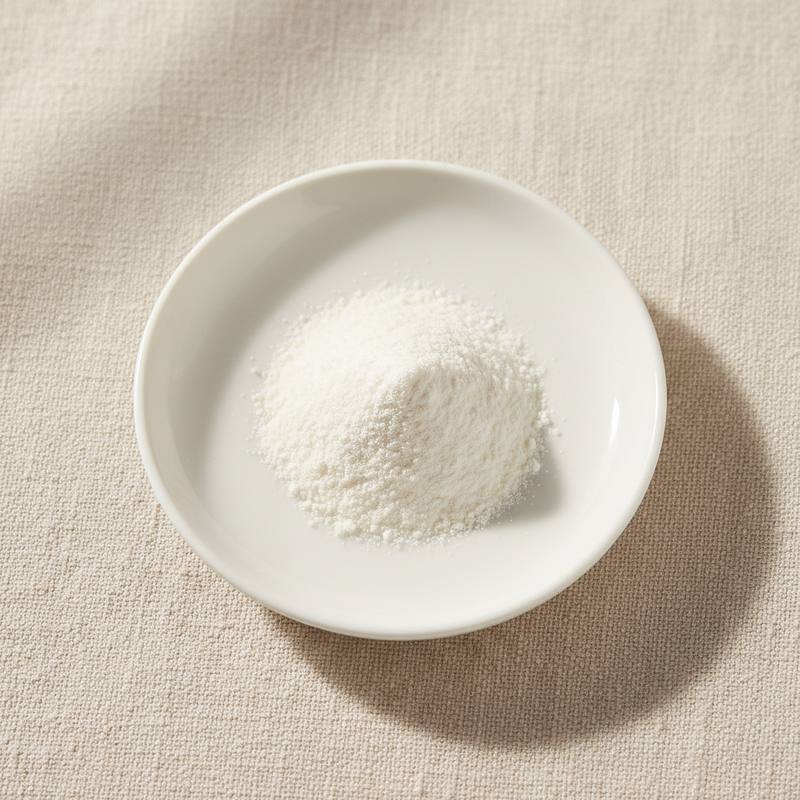
Pale brown to brown fine powder. Soluble in water with mild stirring. Mild characteristic mushroom aroma.
We supply mushroom polysaccharide blends from manufacturers in China holding ISO, Halal, Kosher, GMP and other certifications relevant to the product and production.
Common market grades include 10% polysaccharide blend (entry-level), 30% polysaccharide blend (mid-range), and 50% polysaccharide blend with documented beta-glucan content for premium nutraceutical positioning. Custom mushroom ratios are available on request.
Bulk and reduced-MOQ shipments. Batch-level COA covering total polysaccharides, beta-glucan content, moisture, microbiology, and heavy metals.
Introduction
Medicinal mushrooms have a documented history of use in traditional East Asian medicine extending back at least two millennia, with reishi (lingzhi in Chinese) particularly prominent as a tonic and longevity herb. Modern interest is driven by clinical and pre-clinical research on mushroom polysaccharides as immunomodulators.
The principal bioactive polysaccharides are beta-1,3 and beta-1,6 glucans, branched polysaccharides with documented receptor binding to dectin-1 and other innate immune pattern recognition receptors. Different mushroom species produce beta-glucans with distinct branching patterns and molecular weights, supporting the rationale for multi-mushroom blends.
Commercial extracts are produced by hot-water extraction of dried mushroom fruiting body or mycelium, sometimes followed by ethanol precipitation to concentrate the polysaccharide fraction. Spray-drying with food-grade carriers produces the finished powder.
Specification considerations include the choice of fruiting body versus mycelium-on-grain material, since the latter contains substantial starch from the grain substrate that can inflate apparent polysaccharide content if measured by total carbohydrate. Beta-glucan-specific assays (Megazyme or equivalent) provide more reliable potency documentation.
Regulatory status is favorable: most medicinal mushrooms are recognized as foods with long traditional use, supporting use as food supplement ingredients in major markets.
Where it is used
- Immune support nutraceuticals in capsule, tablet, and powder formats
- Functional coffee and tea blends with mushroom positioning
- Sports nutrition and recovery formulations
- Cognitive support supplements based on mushroom-derived bioactives
- Functional food bars, gummies, and chewable products
- Pet supplements for senior and immune support
- Plant-based functional beverage and smoothie products
Technical data
| Item | Specification |
|---|---|
| Appearance | Pale brown to brown fine powder |
| Total polysaccharides | ≥ 30.0% |
| Beta-glucan content | ≥ 15.0% |
| Moisture | ≤ 6.0% |
| Ash | ≤ 8.0% |
| Total plate count | ≤ 5000 cfu/g |
| Yeast and mold | ≤ 100 cfu/g |
| Salmonella | Negative in 25 g |
| Heavy metals (as Pb) | ≤ 2 mg/kg |
Related ingredients
Ready to discuss business?
Send us your spec and requirement. We will respond with availability and pricing within 24 hours.