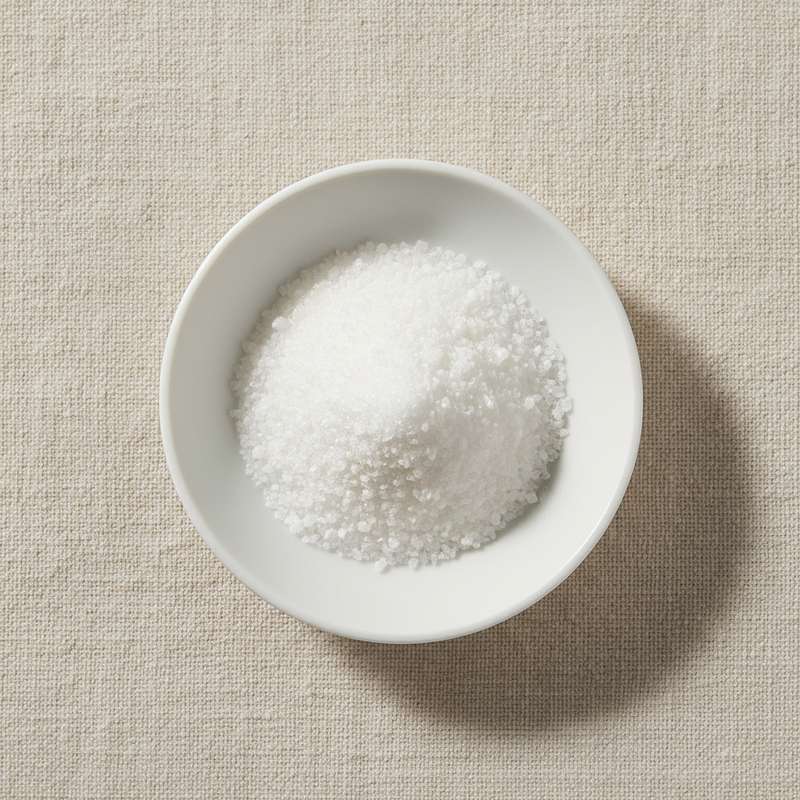
Description
A high-MCC-content co-processed grade designed to form firmer gels and higher yield stress in pharmaceutical liquid systems than standard Colloidal MCC. Selected when extended suspension stability is required for high-density APIs and reconstituted suspensions.
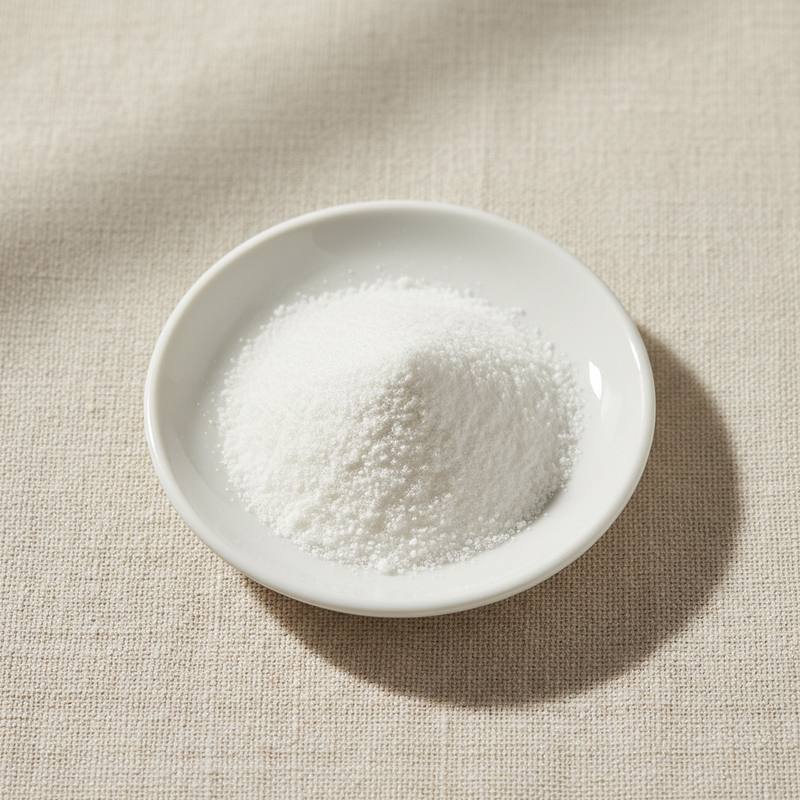
White to off-white free-flowing powder. Forms a three-dimensional thixotropic gel on hydration under shear, with heat stability through retort and stability across the pH range typical of oral pharmaceutical liquids.
We supply pharmaceutical-grade Microcrystalline Cellulose Gel from manufacturers in China holding ISO, GMP, USP/EP DMF, Halal, Kosher, and other certifications relevant to the product and production.
Common market grades range from 75:25 to 92:8 MCC-to-CMC ratios, with dispersion viscosity tuned by the CMC viscosity grade and the spray-drying conditions. Higher MCC content delivers firmer gel and higher yield stress; higher CMC content delivers softer gel and higher dispersion viscosity.
Bulk and reduced-MOQ shipments. Batch-level COA covering MCC and CMC content, viscosity in dispersion, gel strength, loss on drying, heavy metals, and microbiology against USP and EP monographs.
Introduction
Microcrystalline Cellulose Gel is the firmer-network family within the broader co-processed MCC plus CMC-Na excipient class. The same manufacturing principles apply (controlled co-processing of pharmaceutical-grade MCC with carmellose sodium, attrition, and spray drying), but formulation targets higher MCC ratios that deliver yield stress sufficient to suspend the densest API particles indefinitely.
The chemistry produces a thixotropic gel that thins under shear during pouring and reforms on standing, ensuring both pourability and physical stability over shelf life. Heat stability through pharmaceutical retort and stability across pH 3 to 9 expand the formulation window to most oral and topical pharmaceutical systems.
Listed under USP-NF and EP cellulose plus carmellose sodium co-processed monographs, and supported by manufacturer DMFs filed with the FDA for oral, topical, and selected ocular applications.
In pharmaceutical formulation Microcrystalline Cellulose Gel is most often selected when standard Colloidal MCC has insufficient yield stress for the API particle size and density profile, or when retort-sterilized reconstitutable suspensions require thermal resilience that pure polysaccharide systems cannot deliver.
Strategic position: the workhorse stabilizer for reconstituted pharmaceutical suspensions where extended in-use stability after reconstitution is a labeled claim.
Where it is used
- Suspending agent for high-density APIs in pharmaceutical oral suspensions
- Stabilizer in reconstituted antibiotic and antifungal suspensions
- Texture builder in pediatric and geriatric oral liquid preparations
- Heat-shock protection in retort-sterilized pharmaceutical liquids
- Foam stabilizer in topical pharmaceutical foams and aerated systems
- Body builder in pharmaceutical oral nutritional formulas
- Stabilizer in protein-containing pharmaceutical liquids
- Carrier in cough syrups and reconstituted oral powders
Technical data
| Item | Specification |
|---|---|
| Appearance | White to off-white free-flowing powder |
| Compliance | USP/NF, EP current edition |
| Identification | Conforms to pharmacopoeial tests |
| MCC content | 75% to 92% |
| CMC-Na content | 8% to 25% |
| Loss on drying | ≤ 6.0% |
| pH (1.2% dispersion) | 6.0 to 8.0 |
| Viscosity (1.2% dispersion, 25 °C) | 40 to 200 mPa·s (grade dependent) |
| Heat stability | Stable to 120 °C |
| Lead | ≤ 2 mg/kg |
| Arsenic | ≤ 2 mg/kg |
| Heavy metals (as Pb) | ≤ 10 mg/kg |
| Particle size | Per grade specification |
| Total aerobic count | ≤ 1,000 CFU/g |
| Yeast and mould | ≤ 100 CFU/g |
| E. coli, Salmonella | Absent |
| Source | Purified wood pulp cellulose, co-processed with CMC-Na |
Related ingredients
Ready to discuss business?
Send us your spec and requirement. We will respond with availability and pricing within 24 hours.