Description
Medium-chain triglyceride oil, predominantly the C8 (caprylic) and C10 (capric) fatty acids derived from coconut or palm kernel, microencapsulated on a carrier matrix to produce a free-flowing powder.
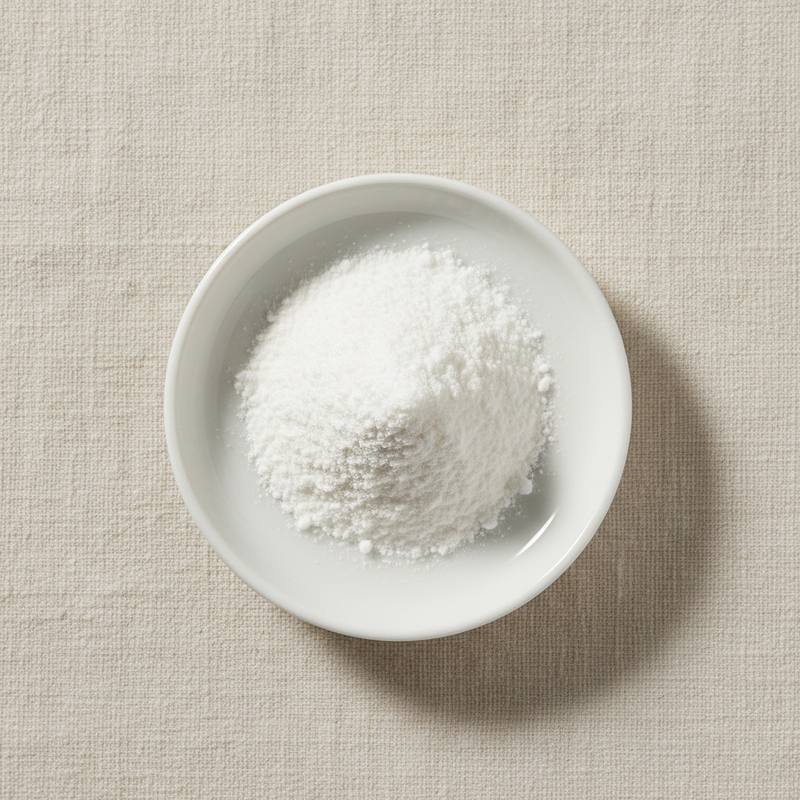
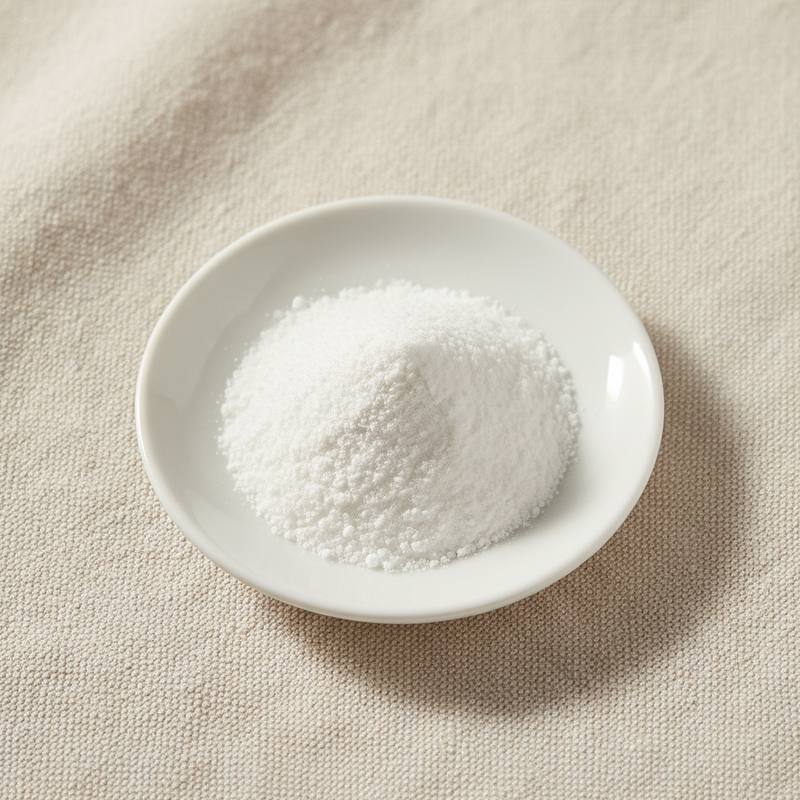
White to off-white free-flowing powder. The encapsulation system is typically maltodextrin, modified starch, or milk protein, selected to suit the labelling and dietary positioning of the finished product. Carrier load and MCT load are specified per application.
We supply food-grade MCT Powder from manufacturers in China holding ISO, Halal, Kosher and other certifications relevant to the product and production. Vegan, non-dairy, palm-free, and coconut-only formats are available on request.
Common market grades include 50 percent MCT load on maltodextrin (the mass-market standard), 70 percent MCT load on milk protein or modified starch (premium keto and sports nutrition), C8-only MCT Powder for the ketogenic premium segment, and customised C8/C10 ratios per customer specification.
Bulk and reduced-MOQ shipments. Batch-level COA covering MCT load, fatty acid profile, moisture, peroxide value, heavy metals, and microbiology.
Introduction
Medium-chain triglycerides were first introduced to clinical practice in the 1950s and 1960s for treatment of fat-malabsorption conditions. The molecules are absorbed directly into portal circulation without bile-mediated emulsification, bypassing the standard long-chain fatty acid digestion pathway.
The conversion of liquid MCT oil to powder form expanded the ingredient's commercial reach substantially: the powder is shelf-stable, dust-flowing, easy to incorporate in dry blends, and suitable for sachet, bar, and bulk packaging where the liquid form would be impractical. Industrial spray-drying of MCT emulsions on starch, maltodextrin, or protein carriers is the standard production route.
Recognised as a permitted food ingredient by the U.S. FDA (GRAS), EFSA, and the relevant authorities in China, Japan, and Korea. The carrier ingredients (maltodextrin, sodium caseinate, modified starch) are independently subject to standard food-additive approvals.
MCTs are partially metabolised through ketone bodies, which underpins the ingredient's central position in the ketogenic supplement and food category. The C8 (caprylic) fatty acid is the most ketogenic of the common MCTs, which is the basis for the premium positioning of C8-only powder grades.
Carrier choice drives both labelling and price: maltodextrin carriers carry the lowest cost but limit positioning in carb-restricted markets, while protein and modified-starch carriers support clean-label and keto claims at higher cost. Acacia gum carriers are an emerging option for soluble-fibre claims.
Where it is used
- Keto-coffee and bulletproof-coffee formulations; the defining retail application
- Ketogenic and low-carbohydrate nutritional bars and shakes
- Sports nutrition products targeting fast-burning fuel and exercise endurance
- Meal-replacement powders and breakfast products
- Infant nutrition and clinical nutrition for fat malabsorption
- Coffee creamers and non-dairy creamer powders
- Functional beverage powders and instant drink mixes
- Cognitive-support and nootropic-stack supplements
- Pet nutrition for senior dogs and brain health
Technical data
| Item | Specification |
|---|---|
| Appearance | White to off-white free-flowing powder |
| MCT load | 50% to 70% (per customer specification) |
| C8 (caprylic) content | ≥ 50% of MCT fraction (typical) |
| C10 (capric) content | ≥ 30% of MCT fraction (typical) |
| Moisture | ≤ 4.0% |
| Peroxide value | ≤ 5 meq/kg |
| Free fatty acids | ≤ 0.5% |
| Heavy metals (as Pb) | ≤ 1 mg/kg |
| Microbiology | Total plate count ≤ 10,000 CFU/g; absence of Salmonella and E. coli |
| Carrier system | Maltodextrin, sodium caseinate, modified starch, or per customer specification |
Related ingredients
Ready to discuss business?
Send us your spec and requirement. We will respond with availability and pricing within 24 hours.