Description
A standardized extract from Licorice root (Glycyrrhiza glabra or Glycyrrhiza uralensis), standardized to glycyrrhizic acid (glycyrrhizin) content. Used in digestive-support and respiratory-support dietary supplements, traditional medicine products, natural sweetener applications, and tobacco and confectionery flavoring.
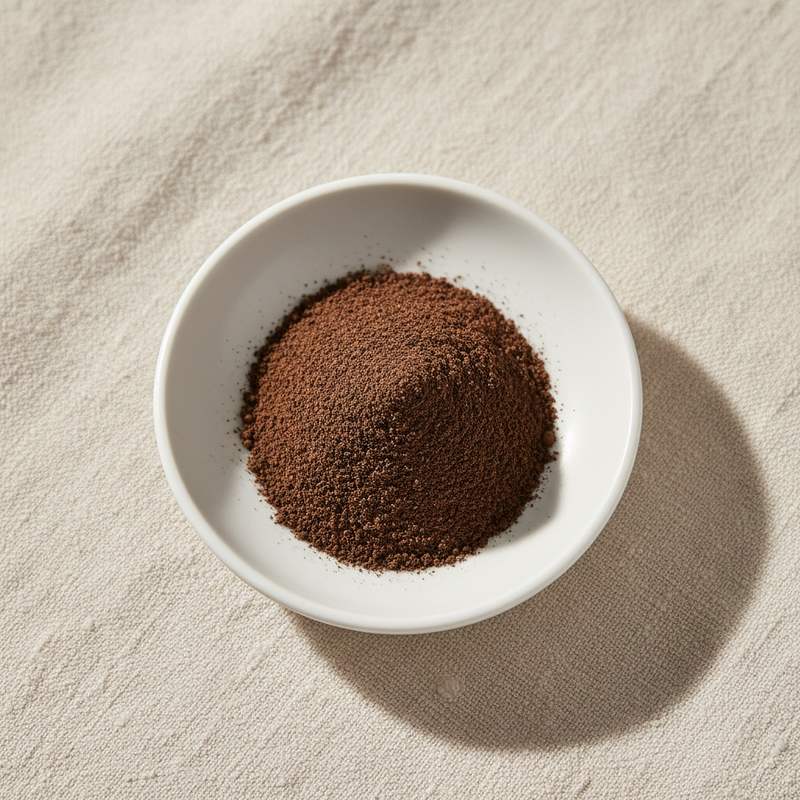
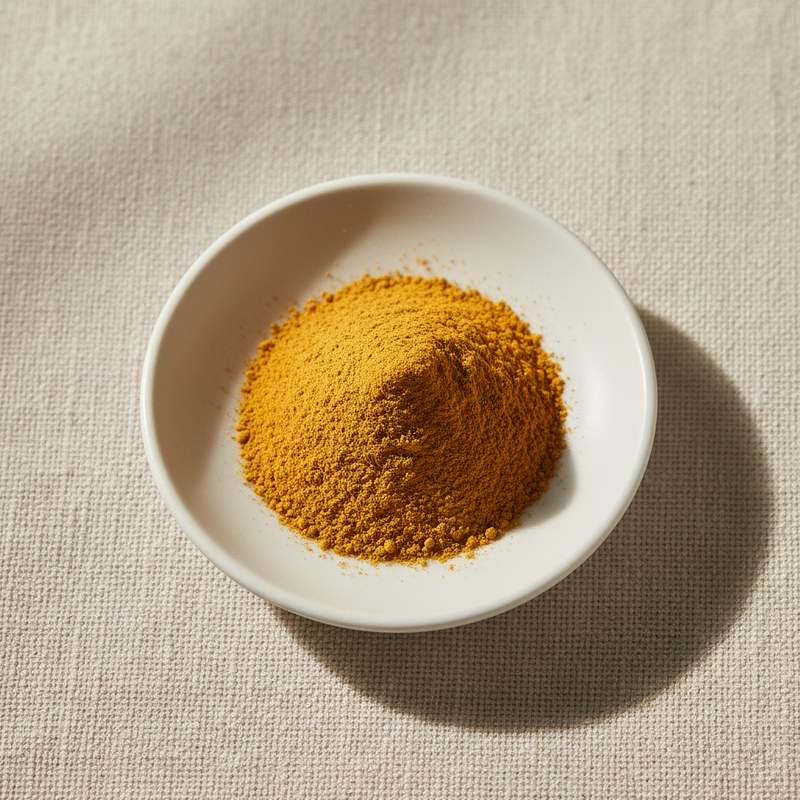
Light yellow to yellow-brown free-flowing powder. Highly water-soluble.
We supply food-grade Licorice Extract from manufacturers in China holding ISO, Halal, Kosher and other certifications relevant to the product and production.
Common market grades include 10 percent Glycyrrhizic Acid (standard supplement grade), 25 percent Glycyrrhizic Acid (premium grade), 40 percent Glycyrrhizic Acid (high-end concentrated grade), and 98 percent Pure Glycyrrhizic Acid Ammonium Salt (pharmaceutical and tobacco-flavoring grade). Deglycyrrhizinated Licorice (DGL) is supplied separately as a glycyrrhizin-reduced format for prolonged-use supplement applications.
Bulk and reduced-MOQ shipments. Batch-level COA covering glycyrrhizic acid content (HPLC), total flavonoids, residual solvents, heavy metals, pesticides, and microbiology.
Introduction
Licorice has been used as a medicinal and flavoring herb across European, Middle Eastern, and Chinese traditions for over 4,000 years. The herb appears in over half of all traditional Chinese medicine prescriptions, where it is termed gan cao and functions both as a harmonizing agent and as an active ingredient.
Industrial production proceeds by hot-water extraction of dried licorice root, followed by concentration, purification, and spray-drying to defined glycyrrhizic acid content. Deglycyrrhizinated licorice (DGL) is produced by selective removal of glycyrrhizin to eliminate the mineralocorticoid activity associated with chronic high-dose licorice use.
Recognized as a permitted food ingredient by the U.S. FDA (GRAS at typical food-use levels), the European Food Safety Authority, and equivalent regulators. EFSA recommends limiting habitual intake of glycyrrhizic acid to 100 mg per day because of pseudo-aldosteronism risk at higher chronic doses.
Clinical evidence supports licorice flavonoid fractions for gastric ulcer healing and Helicobacter pylori adjuvant therapy, and supports DGL for functional dyspepsia. Pharmacological characterization of the skin-brightening flavonoid glabridin underpins extensive cosmetic-industry use.
Strategic positioning spans digestive and respiratory dietary supplements, traditional medicine product formulations, natural sweetener and confectionery flavoring, and premium cosmetic skin-brightening applications.
Where it is used
- Digestive-support and gastric-comfort dietary supplements
- Respiratory-support and throat-soothing formulations
- Traditional Chinese Medicine products: gan cao in over half of TCM prescriptions
- Natural sweetener: glycyrrhizic acid is approximately 50 times sweeter than sucrose
- Confectionery flavoring: licorice candy and lozenges
- Tobacco flavoring: a substantial commercial application by volume
- Cosmetic skincare: skin-brightening, anti-inflammatory, and anti-aging formulations
- Pharmaceutical OTC cough and throat preparations
Technical data
| Item | Specification |
|---|---|
| Appearance | Light yellow to yellow-brown free-flowing powder |
| Glycyrrhizic acid (HPLC) | 10% / 25% / 40% / 98% (grade dependent) |
| Total flavonoids | ≥ 5% |
| Particle size | 95% pass 80 mesh |
| Loss on drying | ≤ 5.0% |
| Residue on ignition | ≤ 5.0% |
| Heavy metals (as Pb) | ≤ 2 mg/kg |
| Total plate count | ≤ 1000 cfu/g |
| Source | Glycyrrhiza glabra or Glycyrrhiza uralensis root |
Related ingredients
Ready to discuss business?
Send us your spec and requirement. We will respond with availability and pricing within 24 hours.