Description
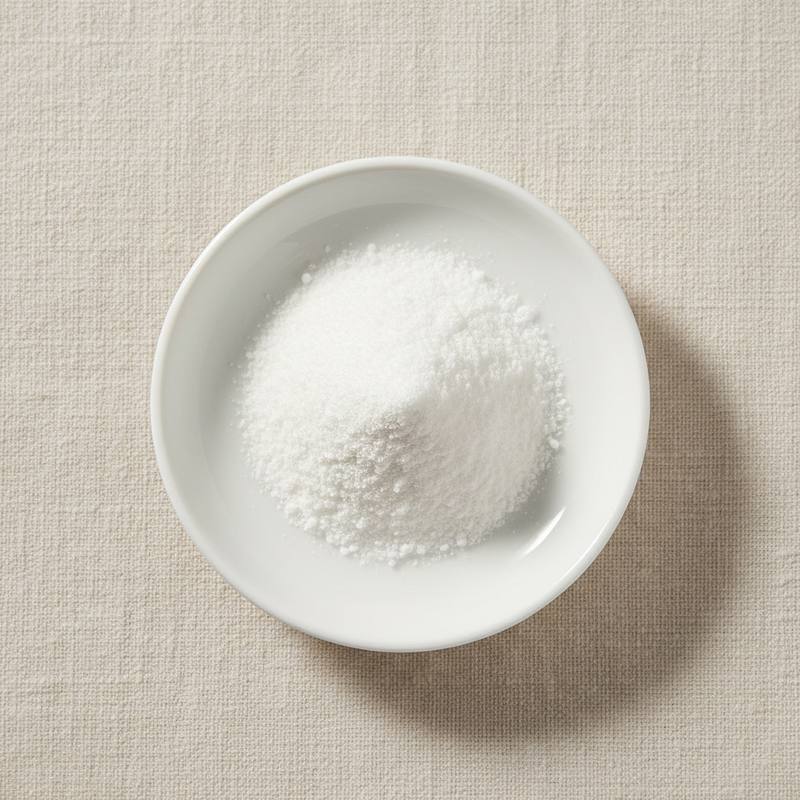
The principal sweet saponin of licorice root (Glycyrrhiza glabra and Glycyrrhiza uralensis), supplied predominantly as the mono-ammonium salt for solubility and handling. Approximately 50 to 200 times sweeter than sucrose with a characteristic licorice flavor profile and a slow, persistent sweetness onset.
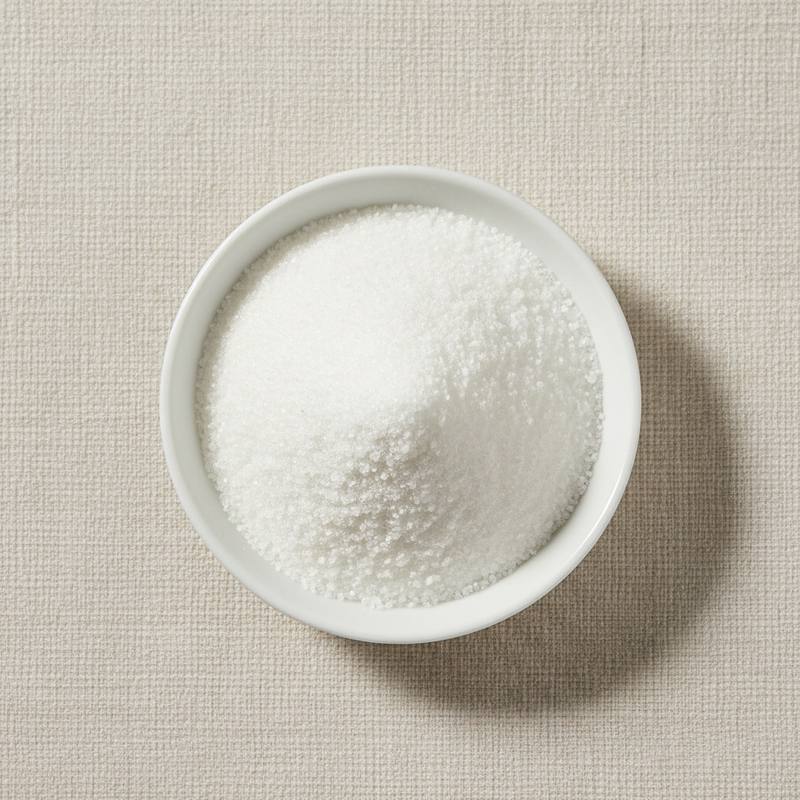
White to off-white or pale yellow crystalline powder. Soluble in water and ethanol. Stable through baking, retort processing, and standard food storage conditions.
We supply food-grade and pharmaceutical-grade Glycyrrhizin from manufacturers in China holding ISO, Halal, Kosher and other certifications relevant to the product and production.
Common market grades include Mono-Ammonium Glycyrrhizinate 98%, Glycyrrhizin 90% for food and confectionery, and pharmaceutical-grade Glycyrrhizic Acid free acid for injectable and hepatoprotective formulations.
Bulk and reduced-MOQ shipments. Batch-level COA covering assay by HPLC, heavy metals, residual solvents, and microbiology.
Introduction
Glycyrrhizin has been consumed for millennia: licorice root appears in Egyptian tomb inventories from 1500 BCE and is one of the most-prescribed herbs in classical Chinese medicine, where it is known as gancao.
Industrial production uses hot-water or hydroalcoholic extraction of dried licorice root, followed by acidification, crystallization, and conversion to the mono-ammonium salt for improved solubility. The free acid is recovered for pharmaceutical-grade material.
Glycyrrhizin is permitted as a flavor and sweetener in most major jurisdictions. The U.S. FDA classifies it as Generally Recognized as Safe for flavoring use. The EU regulates it as a flavoring substance rather than a sweetener under E numbering. JECFA has reviewed the compound and confirmed its safety at typical use levels, while noting that chronic high-dose intake can cause pseudoaldosteronism through inhibition of 11β-hydroxysteroid dehydrogenase.
Sweetness onset is slow and lingering, and the flavor profile is unambiguously licorice. For these reasons, Glycyrrhizin is rarely used as a sole sweetener outside of licorice confectionery. Its commercial value lies elsewhere: bitterness masking in pharmaceutical formulations, flavor enhancement in tobacco, and contribution of distinctive depth to soy sauce, herbal liqueurs, and traditional Asian seasonings.
Where it is used
- Confectionery: licorice candies, soft and hard licorice, throat lozenges, and chewing gum
- Tobacco products; the principal natural sweetener and flavor in pipe and chewing tobacco
- Brewed and herbal beverages where a deep licorice profile is desired
- Pharmaceutical syrups and lozenges; masks bitterness of active ingredients and provides anti-inflammatory effect
- Soy sauce and savory seasonings as a flavor enhancer and sweetness lift in Asian cuisines
- Chinese and Japanese herbal medicine formulations including Kampo preparations
- Functional beverages and supplements positioned for hepatoprotective and adrenal-support claims
- Cosmetic and personal-care products including skin whitening and anti-inflammatory creams
Technical data
| Item | Specification |
|---|---|
| Appearance | White to pale yellow crystalline powder |
| Assay (HPLC, mono-ammonium salt) | ≥ 98.0% |
| Loss on drying | ≤ 6.0% |
| Specific rotation | +49° to +56° |
| Heavy metals (as Pb) | ≤ 10 mg/kg |
| Arsenic | ≤ 2 mg/kg |
| Sulfated ash | ≤ 4.5% |
| Residual solvents | Conforms to ICH Q3C |
| Total plate count | ≤ 1,000 CFU/g |
| E. coli and Salmonella | Negative |
Related ingredients
Ready to discuss business?
Send us your spec and requirement. We will respond with availability and pricing within 24 hours.