Description
Lemongrass Oil is a food-grade essential oil obtained by steam distillation of partially dried Cymbopogon citratus (West Indian) or Cymbopogon flexuosus (East Indian) grass. The oil delivers an intense, lemon-like aroma at a fraction of the cost of true lemon oil and serves both as a culinary flavor and as the principal natural source of citral for fragrance and flavor industries.
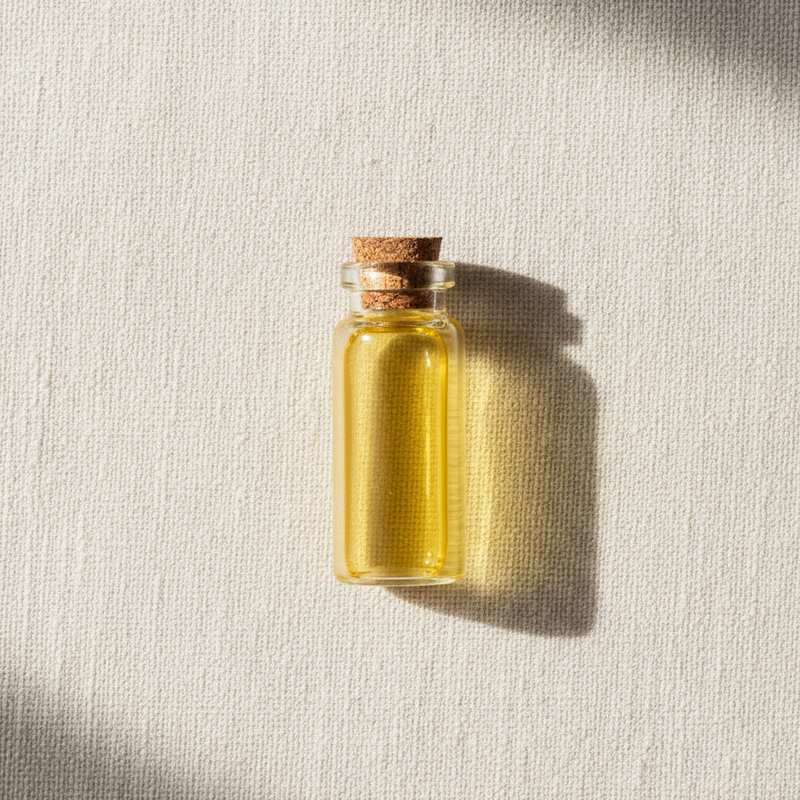
Yellow to reddish-amber mobile liquid with a strong, fresh, lemon-like aroma. Miscible with ethanol and fixed oils; insoluble in water. Citral content (neral plus geranial) typically ranges from 65 to 85 percent.
We supply food-grade Lemongrass Oil from manufacturers and traders holding ISO, Halal, Kosher and other certifications relevant to the product and production. West Indian and East Indian grades carry different sensory profiles and citral content ranges.
Common market grades include West Indian Cymbopogon citratus standard, East Indian Cymbopogon flexuosus (higher citral content, preferred for citral extraction), and decolorized grade for clear formulation work.
Bulk and reduced-MOQ shipments. Batch-level COA covering specific gravity, refractive index, optical rotation, total citral content by GC, heavy metals, and microbiology.
Introduction
Cymbopogon citratus and Cymbopogon flexuosus are tropical perennial grasses cultivated commercially across India, China, Guatemala, Brazil, Sri Lanka, and Indonesia. India is the leading origin for East Indian Cymbopogon flexuosus, which carries the highest commercial citral content.
Production proceeds by steam distillation of partially dried grass within days of harvest. Yield runs approximately 0.2 to 0.5 percent of dry grass weight, and the crude oil is typically used directly or rectified for citral extraction.
Regulated as Generally Recognized as Safe by the U.S. FDA (21 CFR 182.20), assigned FEMA GRAS number 2624, and approved by JECFA as a flavoring agent. The European Food Safety Authority lists lemongrass oil for flavor use.
Principal aroma compounds are citral (geranial plus neral, 65 to 85 percent), with myrcene, geraniol, geranyl acetate, and linalool as significant minor constituents. East Indian oil typically carries 75 to 85 percent citral versus 65 to 75 percent for West Indian oil.
Strategic positioning combines a primary role in Southeast Asian flavor systems with industrial use as the principal natural feedstock for citral isolation, which feeds downstream synthesis of vitamin A, ionones, and lemon-class fragrance compounds.
Where it is used
- Southeast Asian cuisine: Thai, Vietnamese, and Indonesian curry pastes, soups, and marinades
- Herbal teas and ready-to-drink tea blends
- Confectionery and Asian-style hard candies
- Soft drinks and citrus-positioned functional beverages
- Natural source of citral for synthesis of ionones and vitamin A in fragrance chemistry
- Cosmetics and personal care: deodorants, soaps, and natural body products
- Aromatherapy and household sprays
- Insect-repellent product formulations
Technical data
| Item | Specification |
|---|---|
| Appearance | Yellow to reddish-amber mobile liquid |
| Specific gravity (20 °C) | 0.872 to 0.897 |
| Refractive index (20 °C) | 1.483 to 1.489 |
| Optical rotation (20 °C) | −3° to +1° |
| Total citral content (GC) | 65.0% to 85.0% |
| Myrcene content (GC) | 5.0% to 20.0% |
| Solubility in 70% ethanol | 1 vol in 3 vol clear solution |
| Heavy metals (as Pb) | ≤ 10 mg/kg |
| Arsenic | ≤ 3 mg/kg |
| Source | Steam distillation of Cymbopogon citratus or C. flexuosus grass |
Related ingredients
Ready to discuss business?
Send us your spec and requirement. We will respond with availability and pricing within 24 hours.