Description
The standardized extract of Melissa officinalis leaves (lemon balm), a member of the mint family used in stress-management, sleep-support, and cognitive-support supplement formulations. Standardized to rosmarinic acid as the principal marker compound.
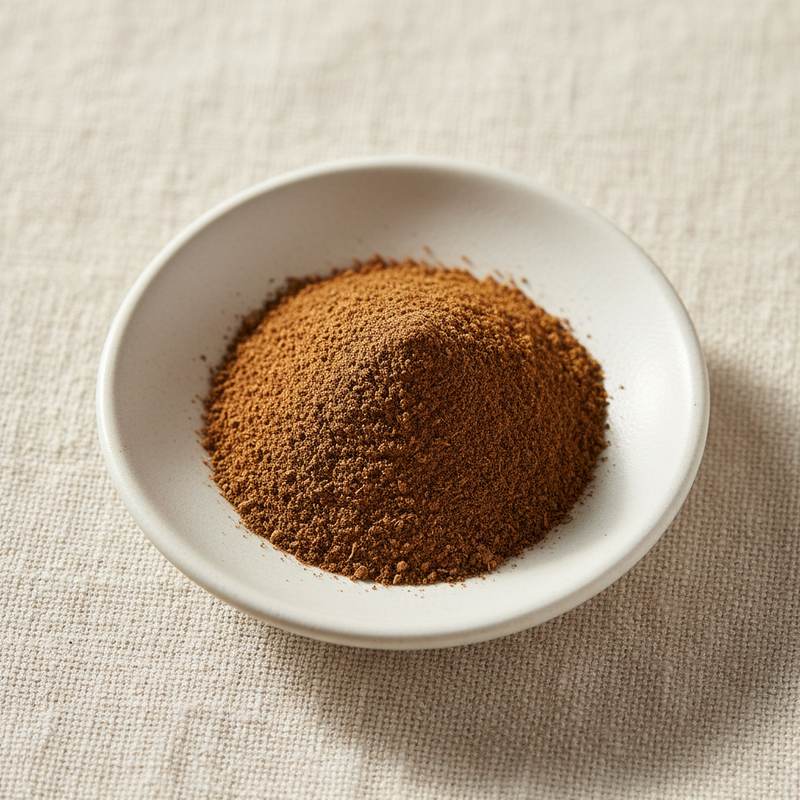
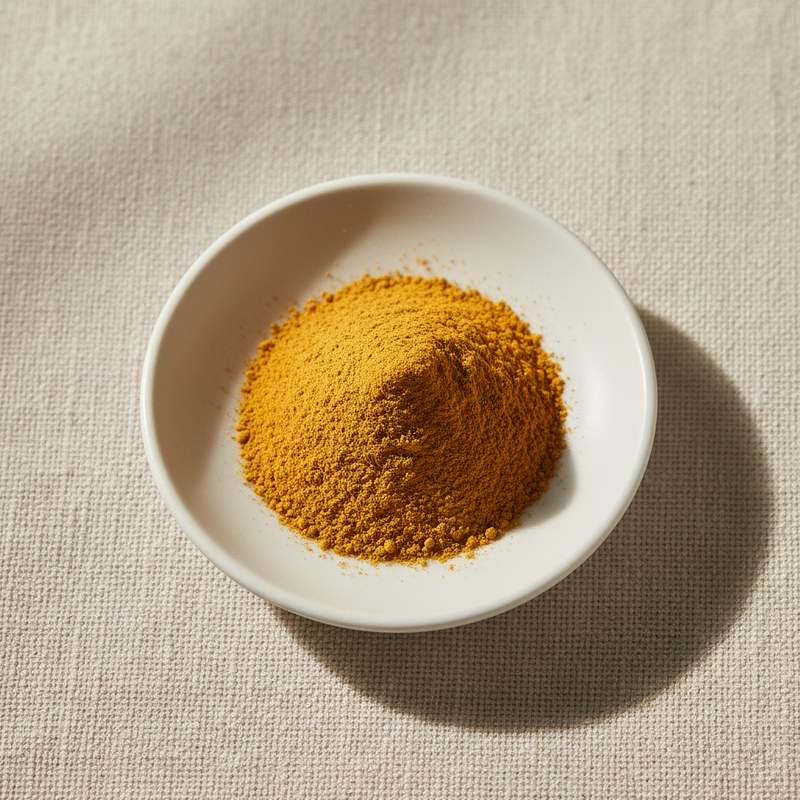
Light brown to green-brown free-flowing powder with characteristic mild lemon aroma. Highly water-soluble.
We supply food-grade Lemon Balm Extract from manufacturers in China holding ISO, Halal, Kosher and other certifications relevant to the product and production. Organic-certified grades are available.
Common market grades include 4:1 to 20:1 herb-to-extract ratios (standard grades), 5 percent Rosmarinic Acid (the standardized supplement grade), and patent-positioned premium grades including Cyracos and Bluenesse for clinical-grade cognitive and stress applications.
Bulk and reduced-MOQ shipments. Batch-level COA covering rosmarinic acid (HPLC), total hydroxycinnamic acids, residual solvents, heavy metals, pesticides, and microbiology.
Introduction
Lemon balm (Melissa officinalis) has been used in European herbal medicine since classical antiquity as a calming, digestive, and antiviral herb. The Latin name Melissa derives from the Greek word for honeybee, reflecting the plant's attractiveness to honeybees.
Industrial production proceeds by hot-water or hydroethanolic extraction of dried lemon balm leaves, followed by purification and standardization to defined rosmarinic acid content.
Recognized as a permitted food ingredient by the U.S. FDA (GRAS), the European Food Safety Authority, and equivalent regulators worldwide. The European Medicines Agency has issued monographs for lemon balm preparations as traditional herbal medicines for mild stress symptoms and mild gastrointestinal complaints.
Modern research has identified anxiolytic, GABA-modulating, and cognitive-enhancing activities for lemon balm extract. Clinical trials have demonstrated stress-reduction and sleep-quality improvement effects at appropriate doses, particularly for the patent-positioned standardized grades.
Strategic positioning targets the natural stress-management and sleep-support supplement segments alongside Valerian, Passionflower, and other calming botanicals. The compound is among the most-prescribed European herbal medicines for mild anxiety.
Where it is used
- Stress-management and anxiety-relief dietary supplements (the dominant commercial application)
- Sleep-support and relaxation formulations
- Cognitive-support supplements: focus and calm-alertness positioning
- Digestive-support supplement products (lemon balm is a traditional carminative)
- Functional beverages: relaxation teas and calming wellness drinks
- Traditional European herbal medicine product formulations
- Pediatric calming supplement formulations
- Cosmetic skincare: antiviral cold-sore positioning topical formulations
Technical data
| Item | Specification |
|---|---|
| Appearance | Light brown to green-brown free-flowing powder |
| Rosmarinic acid (HPLC) | ≥ 5% (standardized grade) |
| Total hydroxycinnamic acids | ≥ 15% |
| Loss on drying | ≤ 5.0% |
| Residue on ignition | ≤ 8.0% |
| Heavy metals (as Pb) | ≤ 2 mg/kg |
| Total plate count | ≤ 10000 cfu/g |
| Source | Melissa officinalis leaves |
Related ingredients
Ready to discuss business?
Send us your spec and requirement. We will respond with availability and pricing within 24 hours.