Description
Lactobacillus reuteri (reclassified as Limosilactobacillus reuteri under the 2020 taxonomic revision) is a heterofermentative lactic acid bacterium native to the gastrointestinal tracts of humans and a broad range of vertebrates. The species is uniquely capable of producing the antimicrobial compound reuterin from glycerol.
Supplied as a freeze-dried powder with viability between 100 and 500 billion CFU per gram at release. The species tolerates bile salts and gastric acid effectively and is recognized for strong adhesion to intestinal mucus.
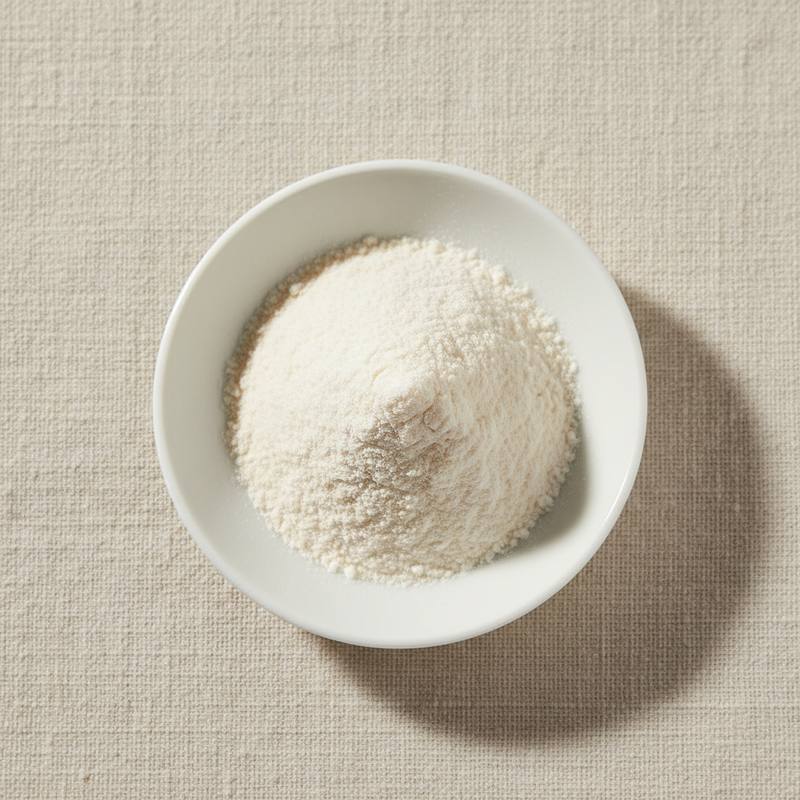
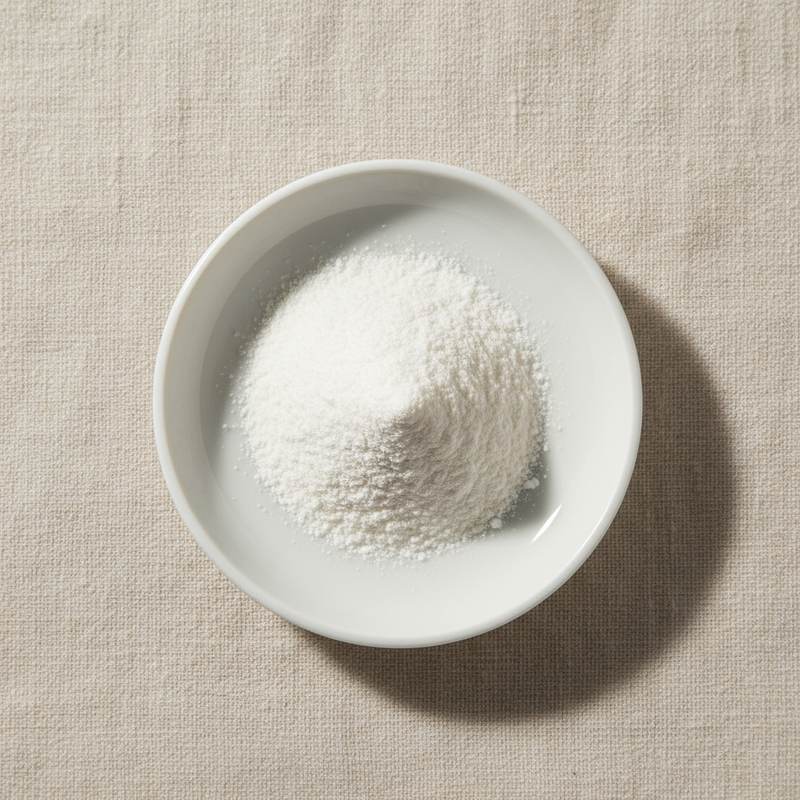
Off-white to pale beige free-flowing powder with a faintly fermented odor. Particle size suitable for capsule filling, sachet blending, infant drops, and chewable tablets.
We supply food-grade and pharmaceutical-grade Lactobacillus reuteri from manufacturers in China holding ISO 22000, FSSC 22000, Halal, Kosher, and other certifications relevant to probiotic strain production.
Common market grades include 100, 200, and 500 billion CFU per gram freeze-dried powders, oil-suspension formats for infant drops, microencapsulated grades for acid and bile protection, and chewable tablet premixes for oral health positioning. Bulk and reduced-MOQ shipments with batch-level COA covering viable count, strain identity, moisture, heavy metals, and pathogen panel.
Introduction
Lactobacillus reuteri was first isolated by Gerhard Reuter in the 1960s from human gastrointestinal samples and named in his honor in 1980. The species has co-evolved with vertebrate hosts, with distinct lineages adapted to humans, rodents, pigs, and poultry. The reference strain ATCC 23272 and the commercial strain DSM 17938 are widely used in clinical and industrial settings.
Industrial production uses anaerobic batch fermentation in MRS-based proprietary media supplemented with glycerol for reuterin pathway competence. Biomass is harvested by centrifugation, cryoprotected with trehalose or sucrose, and lyophilized to residual moisture below 5 percent. Oil-suspension grades are produced by dispersing the dried powder in food-grade triglyceride carriers for infant drop applications.
Regulatory status includes GRAS notifications with FDA for several specific strains, Qualified Presumption of Safety listing in the European Union, and acceptance for use in infant probiotic drops in major regulatory regions.
Clinical evidence supports the use of L. reuteri DSM 17938 in reducing crying time in breastfed infants with colic, improving functional constipation, and supporting oral microbiome balance through other commercial strains.
The species occupies a defining position in the infant probiotic drop segment and has gained share in oral health applications through chewable tablet and lozenge formats.
Where it is used
- Infant probiotic drops for colic, regurgitation, and functional constipation
- Adult capsules and tablets for digestive and oral microbiome support
- Chewable tablets and lozenges for oral health and gingivitis support
- Functional yogurt and fermented dairy beverages
- Pediatric probiotic sachets and powders
- Helicobacter pylori adjunct support formulations
- Women's health and urogenital microbiome supplements
- Animal feed and pet food probiotic premixes
- Synbiotic and multi-strain probiotic stacks
Technical data
| Item | Specification |
|---|---|
| Appearance | Off-white to pale beige free-flowing powder |
| Viable cell count | ≥ 200 billion CFU/g (100B, 200B, 500B grades) |
| Strain identity | Confirmed by 16S rRNA sequencing |
| Moisture (loss on drying) | ≤ 5.0% |
| Particle size | ≥ 95% through 80 mesh |
| Heavy metals (as Pb) | ≤ 1 mg/kg |
| Arsenic | ≤ 0.5 mg/kg |
| Salmonella | Absent in 25 g |
| E. coli | Absent in 10 g |
| Staphylococcus aureus | Absent in 10 g |
| Yeast and mold | ≤ 50 CFU/g |
| Shelf life | 24 months from manufacture under recommended storage |
| Storage | −18 °C sealed; 2 to 8 °C after opening |
Related ingredients
Ready to discuss business?
Send us your spec and requirement. We will respond with availability and pricing within 24 hours.