Description
A disaccharide sugar alcohol produced by catalytic hydrogenation of lactose. Approximately 30 to 40 percent the sweetness of sucrose with 2 kcal per gram, half the caloric value of sucrose. Distinguished by mild prebiotic activity at typical food doses and recognized pharmaceutical use as a treatment for chronic constipation and hepatic encephalopathy.
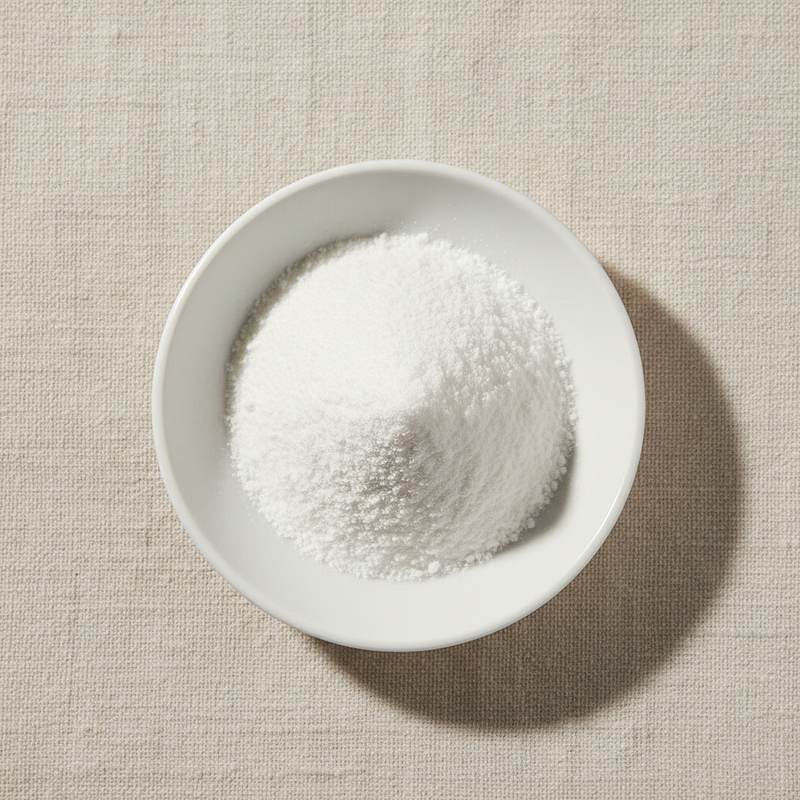
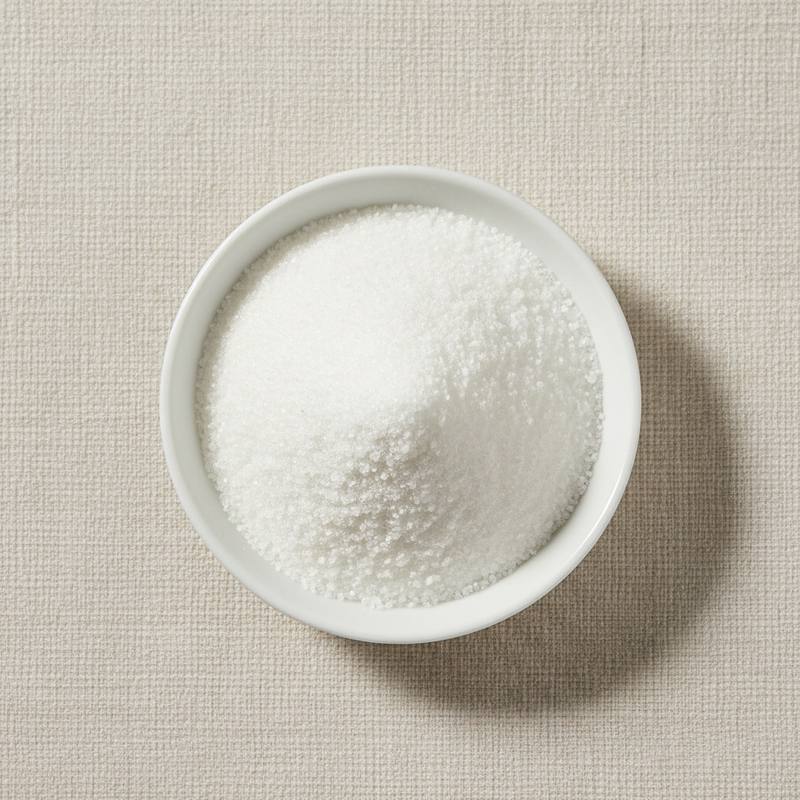
White crystalline powder. Lower hygroscopicity than sorbitol, clean sweetness without cooling effect, and good heat stability. Available in monohydrate, dihydrate, and anhydrous forms.
We supply food-grade and pharmaceutical-grade Lactitol from manufacturers in China holding ISO, Halal, Kosher and other certifications relevant to the product and production.
Common market grades include Lactitol Monohydrate (the standard food-grade format), Lactitol Anhydrous for direct-compression tableting, and pharmaceutical USP/EP/JP grade for laxative and hepatic-encephalopathy formulations.
Bulk and reduced-MOQ shipments. Batch-level COA covering assay, reducing sugars, related sugars, heavy metals, and microbiology.
Introduction
Lactitol was first synthesized in 1920 and developed for commercial food and pharmaceutical use in the Netherlands during the 1980s. It is one of seven polyols formally listed in the EU Food Additives Regulation.
Industrial production starts from whey-derived lactose, which is catalytically hydrogenated to lactitol under controlled pressure and temperature, then purified by ion exchange and crystallized. Three crystal forms are produced commercially: monohydrate, dihydrate, and anhydrous.
Regulated as E966 in the EU, approved by the U.S. FDA as a food additive in 1993, and approved by JECFA without a numerical Acceptable Daily Intake limit. Pharmacopoeial monographs in USP, EP, and JP support pharmaceutical use.
The metabolic profile is unusual among polyols. Lactitol is not hydrolyzed by human disaccharidases and reaches the colon intact, where it is fermented by gut microbiota. This produces both the prebiotic effect at low doses and the osmotic-laxative effect at therapeutic doses (10 to 20 grams), the latter being the basis for medical use.
For sugar-free chocolate formulation, Lactitol offers a sweetness and mouthfeel profile distinct from maltitol, lower hygroscopicity for shelf stability in humid markets, and a different cost position depending on prevailing whey and corn pricing.
Where it is used
- Sugar-free chocolate; sucrose-like crystallization behavior makes it a strong technical alternative to maltitol
- Sugar-free baked goods including cookies, biscuits, and breakfast cereals
- Sugar-free hard candies, soft confectionery, and chewing gum
- Sugar-free ice cream and frozen desserts; mild sweetness allows pairing with high-intensity sweeteners
- Pharmaceutical laxative formulations; the active ingredient in several over-the-counter and prescription constipation products
- Pharmaceutical preparations for hepatic encephalopathy as an alternative to lactulose
- Prebiotic functional foods; stimulates Bifidobacterium and Lactobacillus growth in the colon
- Diabetic confectionery; glycemic index of approximately 6
- Sugar-free jams, fillings, and dessert toppings
Technical data
| Item | Specification |
|---|---|
| Appearance | White crystalline powder |
| Assay (anhydrous basis) | ≥ 95.0% |
| Loss on drying (monohydrate) | 5.0% to 6.0% |
| pH (10% solution) | 4.5 to 7.0 |
| Melting point (monohydrate) | 94 °C to 97 °C |
| Reducing sugars (as glucose) | ≤ 0.3% |
| Other polyols (sorbitol, mannitol, galactitol) | ≤ 2.5% |
| Heavy metals (as Pb) | ≤ 5 mg/kg |
| Nickel | ≤ 2 mg/kg |
| Sulfated ash | ≤ 0.1% |
Related ingredients
Ready to discuss business?
Send us your spec and requirement. We will respond with availability and pricing within 24 hours.