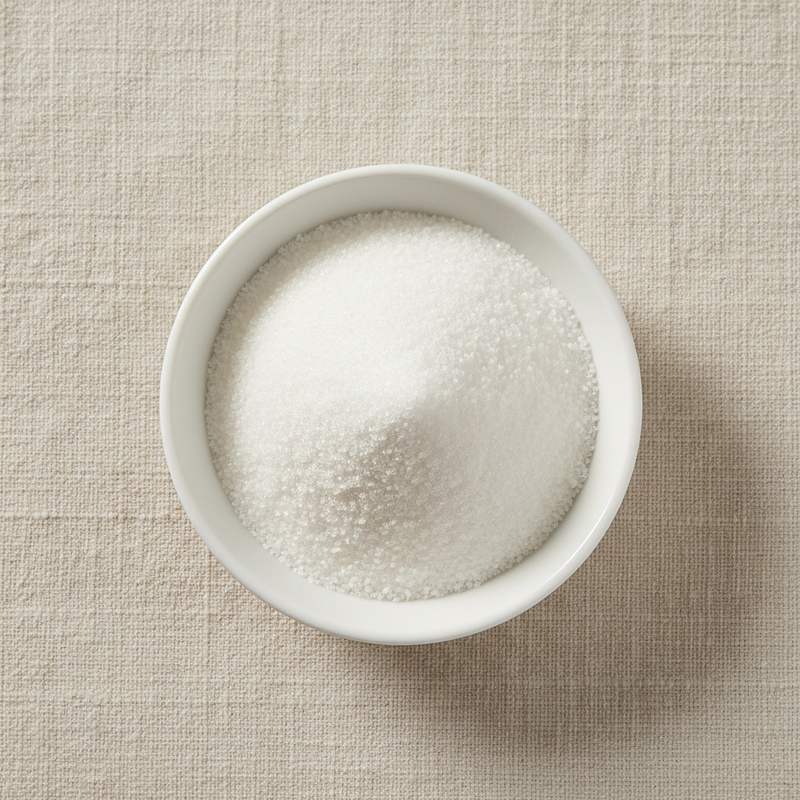
Description
A naturally occurring disaccharide with full caloric content (4 kcal per gram) but a very low glycemic index of 32 versus 65 for sucrose. Approximately 50 percent the sweetness of sucrose with a clean, sugar-like profile.
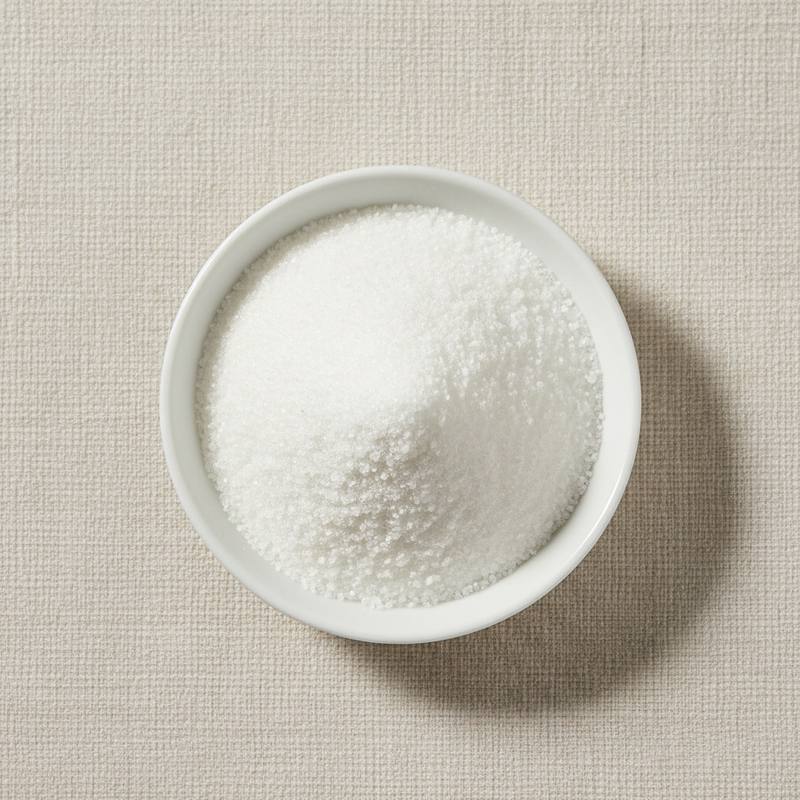
White crystalline powder. Tooth-friendly and slow-releasing: the alpha-1,6 glycosidic bond between glucose and fructose is hydrolyzed in the small intestine four to five times slower than the alpha-1,2 bond in sucrose, producing sustained energy delivery.
We supply food-grade Isomaltulose from manufacturers in China holding ISO, Halal, Kosher and other certifications relevant to the product and production.
Common market grades include Standard Crystalline (98 percent purity, dominant for sports and diabetic-positioned applications), Liquid Isomaltulose (70 percent solids, for beverage manufacturing), and pre-blended systems with high-intensity sweeteners for sweetness-matched sucrose replacement.
Bulk and reduced-MOQ shipments. Batch-level COA covering Isomaltulose content, trehalulose impurity, heavy metals, and microbiology.
Introduction
Isomaltulose, also marketed under the trade name Palatinose, occurs naturally in honey and sugarcane juice. It was identified industrially by German company Südzucker in the 1950s and brought to commercial scale in the 1980s.
Industrial production starts from sucrose: the disaccharide is enzymatically rearranged using the bacterial enzyme sucrose isomerase from Protaminobacter rubrum, converting the alpha-1,2 glycosidic bond between glucose and fructose to an alpha-1,6 bond. The resulting molecule retains the same glucose and fructose components but in a slow-digesting linkage.
Recognized as a permitted novel food in the EU, classified as Generally Recognized as Safe by the U.S. FDA, and approved by JECFA without a numerical Acceptable Daily Intake limit. The European Food Safety Authority has authorized a tooth-friendly health claim and a low-glycemic-response health claim for Isomaltulose-containing finished products.
The compound is fully digested and absorbed, but the slow hydrolysis rate produces a glycemic index of 32 and an insulin response approximately 30 percent lower than sucrose. This combination of full caloric content with low glycemic response is unique among common food carbohydrates.
Strategic positioning targets two markets: the sustained-energy sports nutrition segment, where slow glucose release supports endurance performance better than fast carbohydrates; and the diabetic and metabolic-health segment, where reduced postprandial glucose spikes matter clinically. The premium price relative to sucrose limits use to specialty applications.
Where it is used
- Sports nutrition products positioned for sustained-energy delivery: endurance gels, drinks, and recovery formulas
- Meal-replacement shakes and clinical-nutrition formulas requiring controlled glucose release
- Functional beverages, sports drinks, and energy waters
- Diabetic-friendly confectionery and snack products
- Tooth-friendly chewing gum and dental-care confectionery; non-cariogenic by EFSA-recognized health claim
- Infant nutrition and toddler formulations in markets where regulatory approval applies
- Bakery products: cookies, breakfast bars, and snack cakes positioned for sustained energy
- Yogurt and dairy desserts targeted at the diabetic and metabolic-health segment
- Pet food and treats positioned for active and senior animal nutrition
Technical data
| Item | Specification |
|---|---|
| Appearance | White crystalline powder |
| Isomaltulose content | ≥ 98.0% |
| Trehalulose | ≤ 2.0% |
| Loss on drying | ≤ 0.5% |
| Residue on ignition | ≤ 0.05% |
| pH (10% solution) | 4.0 to 7.0 |
| Heavy metals (as Pb) | ≤ 0.5 mg/kg |
| Total plate count | ≤ 200 cfu/g |
| Color | White |
| Particle size | Per customer specification |
Related ingredients
Ready to discuss business?
Send us your spec and requirement. We will respond with availability and pricing within 24 hours.