Description
An organic ferrous iron chelate with two glycine ligands, supplying approximately 20 percent elemental iron by weight. The chelate is sufficiently stable to pass through the gastric environment intact and to be absorbed via amino acid transport pathways in addition to the standard divalent metal transporter.
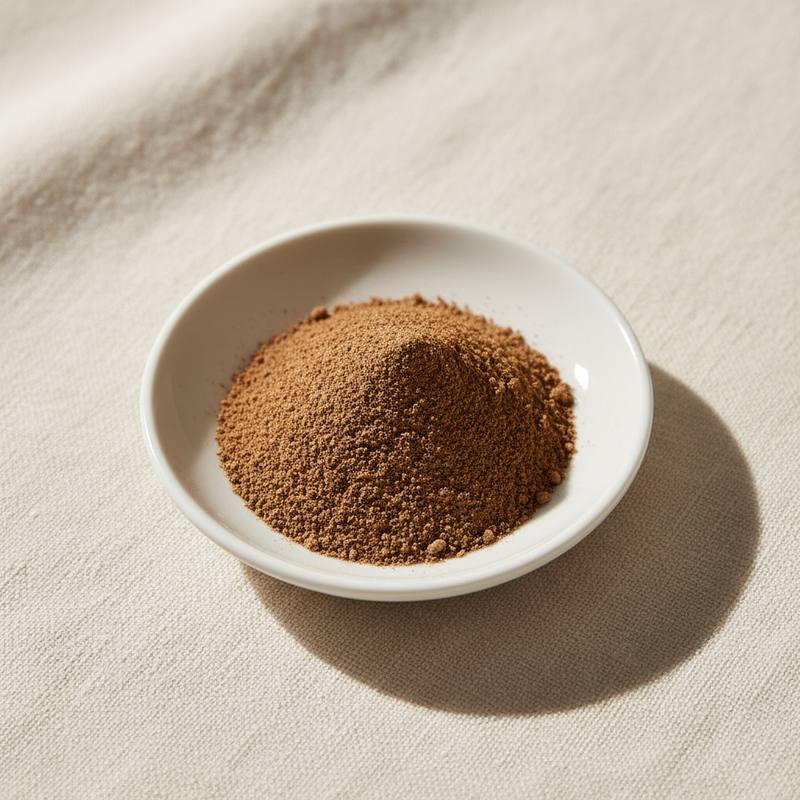
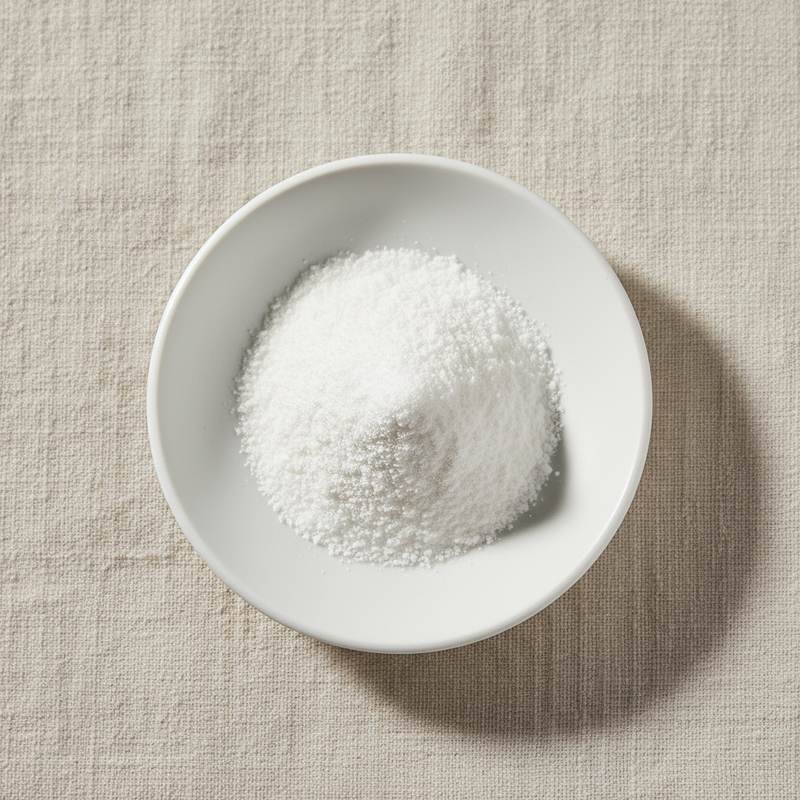
Pale yellow to gray-green free-flowing powder, slightly soluble in water and freely soluble in dilute acids. Significantly reduced gastrointestinal side effects (nausea, constipation, metallic taste) compared with ferrous sulfate at equivalent elemental iron doses.
We supply food-grade Iron Bisglycinate from manufacturers in China holding ISO, FSSC 22000, Halal, Kosher, and other certifications relevant to the product and production.
Common market grades include standard capsule and tablet powder, Ferrochel commercial-equivalent grade meeting the published clinical-trial article specification, granulated direct-compression grade, and fine-mesh grade for stick-packs and powdered beverages. Bulk and reduced-MOQ shipments with batch-level COA covering assay, elemental iron, heavy metals, and microbiology.
Introduction
Iron bisglycinate (also called ferrous bisglycinate) was developed by Albion Laboratories (now Balchem) in the 1990s and commercialized under the Ferrochel brand. The chelate consists of one ferrous iron atom coordinated to two glycine molecules through their amino and carboxyl groups, forming a stable five-membered ring structure.
Industrial production uses reaction of ferrous fumarate or sulfate with glycine in aqueous solution under controlled pH and temperature, followed by crystallization or spray drying. Stoichiometric control yields the bis-glycinate complex, and analytical confirmation of the chelate structure is performed by infrared spectroscopy and chelate-specific titration.
Regulatory status includes GRAS notification (GRN 220) with FDA, recognition as a permitted source of iron in food supplements and fortified foods under EU Regulation 1925/2006 and Directive 2002/46/EC, and approval for inclusion in infant formula in major regulatory regions.
Bioavailability of iron from bisglycinate is significantly higher than from ferrous sulfate in iron-deficient populations, with documented absorption advantages in pregnant women, children, and adults with low ferritin. The chelate is the standard for premium iron supplementation and is preferred for prenatal and pediatric applications due to its improved tolerability.
Where it is used
- Iron supplements in capsules and tablets for iron-deficiency anemia
- Prenatal and maternal iron supplementation
- Pediatric iron drops and chewable tablets
- Food fortification of flour, infant cereals, and milk powder
- Functional beverages and powdered drink mixes
- Multivitamin and multi-mineral tablets
- Sports nutrition for endurance athletes
- Senior nutrition for iron-deficient populations
- Plant-based and vegan iron formulations
Technical data
| Item | Specification |
|---|---|
| Appearance | Pale yellow to gray-green free-flowing powder |
| Assay (dry basis) | ≥ 98.0% |
| Elemental iron | 19.5 to 21.0% w/w |
| Chelate confirmation | Positive by IR spectroscopy |
| Loss on drying | ≤ 5.0% |
| Particle size | ≥ 95% through 80 mesh |
| Heavy metals (as Pb) | ≤ 5 mg/kg |
| Arsenic | ≤ 2 mg/kg |
| Cadmium | ≤ 1 mg/kg |
| Mercury | ≤ 0.1 mg/kg |
| Total plate count | ≤ 1000 CFU/g |
| Salmonella | Absent in 25 g |
| Shelf life | 36 months from manufacture under recommended storage |
| Storage | Cool, dry, sealed; protect from humidity and oxidation |
Related ingredients
Ready to discuss business?
Send us your spec and requirement. We will respond with availability and pricing within 24 hours.