Description
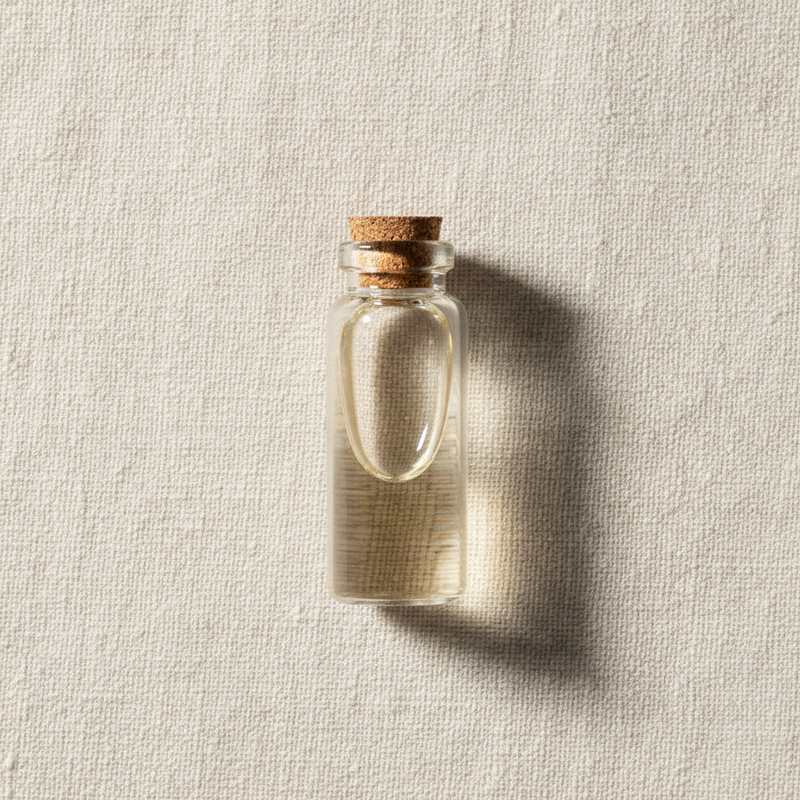
A blended sucrose-glucose-fructose syrup produced by partial inversion of sucrose, typically containing 30 to 50 percent inverted sugars with the balance as residual sucrose. Sweetness comparable to sucrose with improved crystallization control and moisture retention.
Colorless to pale yellow viscous liquid supplied at 75 to 78 percent dry solids. Distinct from fully inverted Invert Sugar by the controlled blend of disaccharide and monosaccharides, which supports specific functional outcomes in bakery and confectionery without the higher hygroscopicity of total invert.
We supply food-grade Invert Syrup from manufacturers in China holding ISO, Halal, Kosher and other certifications relevant to the product and production.
Common market grades include Partial Invert 30% (mild inversion for clean sucrose-like sweetness with light crystallization control), Medium Invert 50% (balanced functional profile), and Custom-Ratio Invert Syrup produced to customer specification. Acid and enzyme inversion routes are both available.
Bulk shipments in tankers, IBC totes, and drums. Batch-level COA covering inversion percentage, sucrose residual, Brix, pH, color, and microbiology.
Introduction
Invert Syrup occupies the middle ground between unmodified sucrose syrup and fully hydrolyzed Invert Sugar. By stopping inversion at a defined percentage, manufacturers produce a syrup tuned to a specific functional outcome in the finished product rather than to the maximum theoretical functional effect.
Production is by acid hydrolysis or enzymatic inversion of a sucrose syrup, with the reaction stopped at the target inversion percentage by pH adjustment or heat inactivation of invertase. The resulting blend is purified through carbon decolorization, polished, and evaporated to commercial solids.
Recognized as a permitted food ingredient by the U.S. FDA, the European Food Safety Authority, and equivalent regulatory bodies. No Acceptable Daily Intake is assigned.
Caloric value is 4 kcal per gram on a dry basis. Glycemic response is between sucrose and total invert depending on the inversion ratio.
The commercial role of Invert Syrup against fully inverted Invert Sugar is functional precision: applications that benefit from some crystallization control and humectancy but would suffer from the higher hygroscopicity, softness, or sweetness intensity of total invert. Bread and yeast-leavened baked goods are the largest application category, where Partial Invert at 30 to 50 percent inversion is widely preferred over Total Invert.
Where it is used
- Bakery products including bread, cakes, and cookies; tunes browning, softness, and shelf life via inversion ratio
- Soft confectionery including caramels, toffees, and chewy candies
- Beverage simple-syrup concentrates and cocktail mixers
- Ice cream and frozen desserts; controlled freezing-point depression at standard sweetness
- Bread improver liquid blends
- Glazes, brushing syrups, and surface finishes for baked goods
- Liquid yeast feed for industrial bakery
- Cream fillings and pastry creams; prevents sucrose recrystallization during storage
- Caramelized sauce and condiment bases
Technical data
| Item | Specification |
|---|---|
| Appearance | Colorless to pale yellow viscous liquid |
| Inversion (glucose + fructose, dry basis) | 30% to 50% (grade dependent) |
| Sucrose residual (dry basis) | 50% to 70% |
| Dry solids (Brix) | 75.0% to 78.0% |
| pH | 4.5 to 6.5 |
| Color | ≤ 100 ICUMSA units |
| Sulphated ash | ≤ 0.15% |
| Heavy metals (as Pb) | ≤ 5 mg/kg |
| 5-Hydroxymethylfurfural (HMF) | ≤ 40 mg/kg |
Related ingredients
Ready to discuss business?
Send us your spec and requirement. We will respond with availability and pricing within 24 hours.