Description
A chemically modified derivative of beta-cyclodextrin in which a fraction of the cavity hydroxyl groups are substituted with 2-hydroxypropyl groups, dramatically increasing water solubility and parenteral safety relative to the natural beta-cyclodextrin.
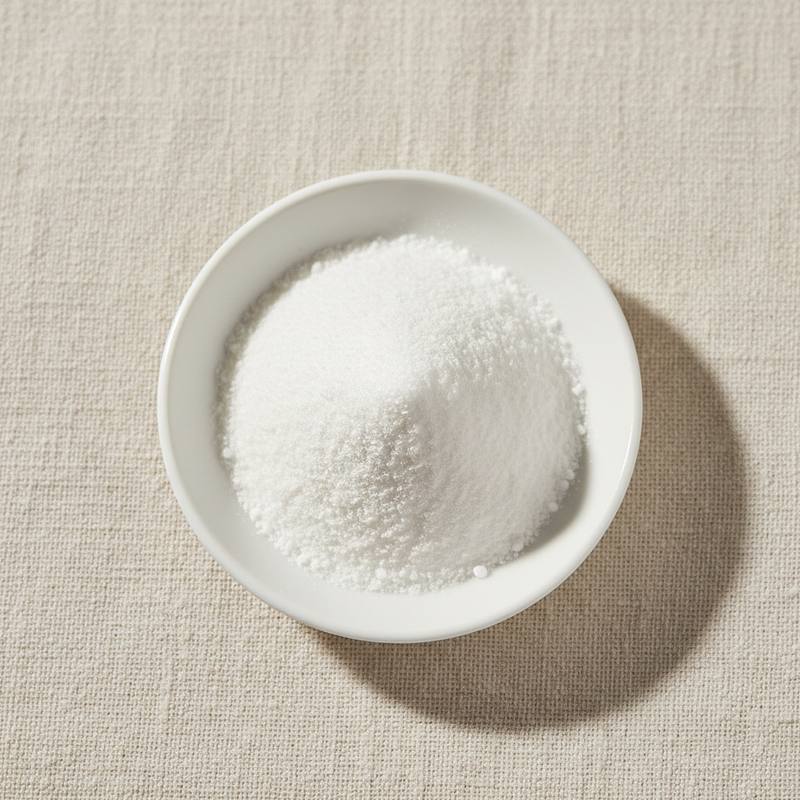
White amorphous powder. Water solubility exceeds 500 g/L at 25 °C, more than 25 times that of native beta-cyclodextrin. Highly stable in solution across a wide pH range.
We supply pharmaceutical-grade Hydroxypropyl Beta-Cyclodextrin from manufacturers in China holding ISO, GMP, Halal, Kosher and other certifications relevant to the product and production. CEP, DMF, and TSE/BSE-free declarations are available on request.
Common market grades include USP/NF Pharmaceutical Grade, EP Pharmaceutical Grade, and Parenteral-Grade material meeting injectable specifications for endotoxin and microbial purity. The molar substitution (typically 0.6 to 0.9) affects solubility and complexation behavior and is specified on each batch COA.
Bulk and reduced-MOQ shipments. Batch-level COA covering assay, molar substitution, water content, residual solvents, and microbiology.
Introduction
Hydroxypropyl beta-cyclodextrin was developed in the 1980s to overcome the limited water solubility of native beta-cyclodextrin, which restricts its use in pharmaceutical injectable products. The 2-hydroxypropyl substitution disrupts the hydrogen-bond network that limits beta-CD solubility while preserving the inclusion-complex behavior of the parent molecule.
Production is by reaction of beta-cyclodextrin with propylene oxide under alkaline conditions, with the molar substitution controlled by reaction stoichiometry and conditions. The product is a mixture of variously substituted species averaging the labeled molar substitution.
Listed in USP, NF, EP, and JP pharmacopoeias. The U.S. FDA, EMA, and other major regulators accept HP-β-CD as an injectable pharmaceutical excipient with established safety margins. The compound appears in numerous approved drug products including the antifungal itraconazole.
The strategic value of HP-β-CD is the combination of high water solubility, low parenteral toxicity, and the inclusion-complex behavior of beta-cyclodextrin. Pharmaceutical formulators routinely solubilize otherwise water-insoluble actives by complexation at 1:1 to 1:2 molar ratios, achieving stable clear solutions suitable for intravenous and oral dosing.
Where it is used
- Injectable pharmaceutical formulations; the dominant cyclodextrin for parenteral drug solubilization
- Oral solid and liquid formulations for poorly soluble drugs; improves dissolution and bioavailability
- Topical and ophthalmic pharmaceutical preparations
- Nasal and inhalation formulations; complexes and stabilizes peptide actives
- Diagnostic and contrast agent formulations
- Pharmaceutical reference standards and laboratory stock solutions
- Veterinary injectable medicines
- Cosmetic and personal-care active solubilization
Technical data
| Item | Specification |
|---|---|
| Appearance | White amorphous powder |
| Assay (dry basis) | ≥ 96.5% |
| Molar substitution | 0.6 to 0.9 |
| Loss on drying | ≤ 10.0% |
| Sulfated ash | ≤ 0.1% |
| pH (10% solution) | 5.0 to 7.5 |
| Propylene oxide residue | ≤ 1 mg/kg |
| Propylene glycol | ≤ 2.5% |
| Heavy metals (as Pb) | ≤ 5 mg/kg |
| Residual solvents | Per ICH Q3C limits |
Related ingredients
Ready to discuss business?
Send us your spec and requirement. We will respond with availability and pricing within 24 hours.