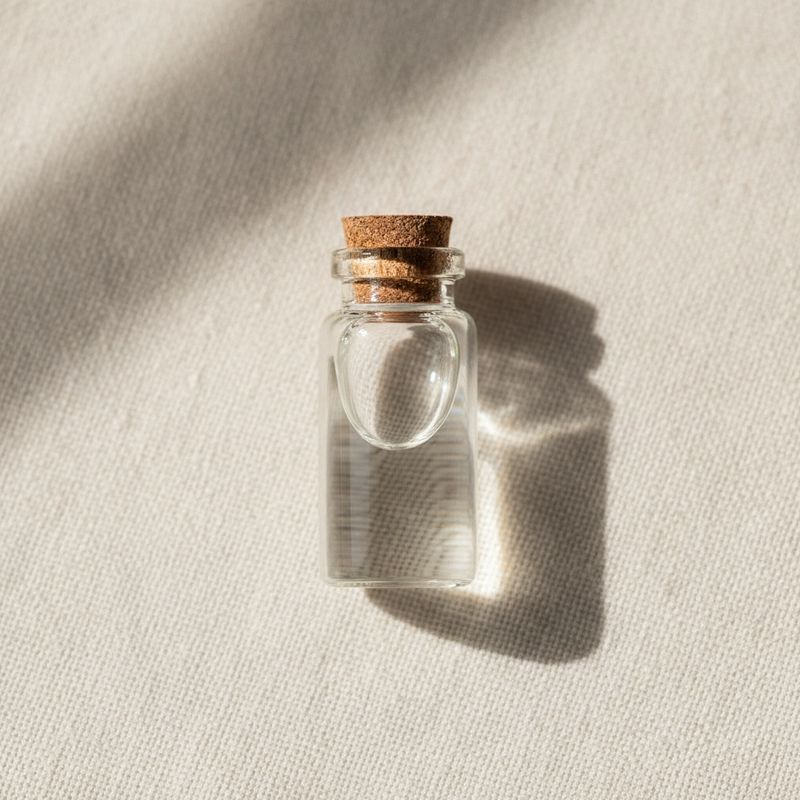
Description
The smallest alpha-hydroxy acid, originally isolated from sugar cane and now produced synthetically at high purity for cosmetic and pharmaceutical use. The most-studied AHA exfoliant, with documented effects on epidermal turnover, photoaging, and uneven tone.
Colorless to pale yellow liquid (70 percent aqueous solution) or white crystalline solid (anhydrous grade). Strongly acidic, requires partial neutralization to working pH 3.5 to 4.5 in finished cosmetic products.
We supply cosmetic-grade Glycolic Acid from manufacturers in China holding ISO 22716, ISO 9001, Halal and Kosher certifications relevant to the product and production.
Common market grades include Glycolic Acid 70% aqueous solution (the dominant trade form), 99% anhydrous crystals for premium formulations, and pre-buffered partial-neutralized solutions for direct cosmetic use. Pharmaceutical-grade USP material is available for medical-device peels.
Bulk and reduced-MOQ shipments. Batch-level COA covering HPLC purity, color, iron content, sulfate, heavy metals, and microbiology.
Introduction
Glycolic Acid was first isolated from sugar cane in 1859. Industrial production became significant in the 1940s through hydrolysis of chloroacetic acid, and a high-purity synthetic route via carbonylation of formaldehyde now dominates the modern supply chain.
Cosmetic use as an exfoliant began with the work of Eugene Van Scott and Ruey Yu at Temple University in the 1970s, who systematically characterized AHA effects on epidermal turnover and photoaged skin. Their patents formed the basis of the modern AHA cosmetic category.
Regulatory status is that of a listed cosmetic ingredient in CosIng, the PCPC INCI dictionary, and China IECIC. The EU SCCS reviewed glycolic acid in 2020 and 2023; current EU framework limits cosmetic concentration to 10 percent at pH not lower than 3.8 for consumer products, with higher concentrations restricted to professional use. The U.S. has industry-self-regulated guidelines below 10 percent at pH at or above 3.5.
Clinical evidence is among the most extensive in cosmetic dermatology, with multi-decade clinical literature on photoaging, acne, melasma, and post-inflammatory hyperpigmentation endpoints. At 5 to 10 percent over 8 to 12 weeks, measurable improvement in fine lines, tone, and texture is consistent across studies.
Strategically, glycolic acid remains the benchmark AHA exfoliant. The EU concentration framework introduced in 2024 has shifted product development toward 10 percent and below in retail SKUs, with stronger formulations migrating to professional channels. Lactic and mandelic acid have grown share in barrier-sensitive positioning.
Where it is used
- Daily-use AHA exfoliating toners and pads at 5 to 10 percent
- Anti-aging serums and creams targeting fine lines and uneven tone
- At-home peel products at 10 to 30 percent for periodic use
- Professional cosmetic peels at 35 to 70 percent (medical device or cosmetic salon)
- Body lotions for keratosis pilaris and rough texture
- Brightening products for post-inflammatory hyperpigmentation
- Pre-shave preparations to soften beard hair
- Foot creams for callus softening
Technical data
| Item | Specification |
|---|---|
| Appearance (70% solution) | Colorless to pale yellow clear liquid |
| INCI Name | Glycolic Acid |
| Assay (HPLC) | 69.0% to 71.0% (70% grade); ≥ 99.0% (anhydrous grade) |
| Color (APHA) | ≤ 50 |
| Iron | ≤ 5 mg/kg |
| Sulfate | ≤ 50 mg/kg |
| Chloride | ≤ 50 mg/kg |
| Formaldehyde | ≤ 100 mg/kg |
| Heavy metals (as Pb) | ≤ 10 mg/kg |
| Arsenic | ≤ 2 mg/kg |
| Total plate count | ≤ 100 CFU/g |
| E. coli, Salmonella, S. aureus, P. aeruginosa | Negative |
| Source | Synthetic, carbonylation of formaldehyde |
Related ingredients
Ready to discuss business?
Send us your spec and requirement. We will respond with availability and pricing within 24 hours.