Description
A monoester of glycerol and lauric acid (C12), naturally present in coconut oil and human breast milk. Commercial GML is produced by direct esterification or glycerolysis and offered in food, supplement, and pharmaceutical specialty grades.
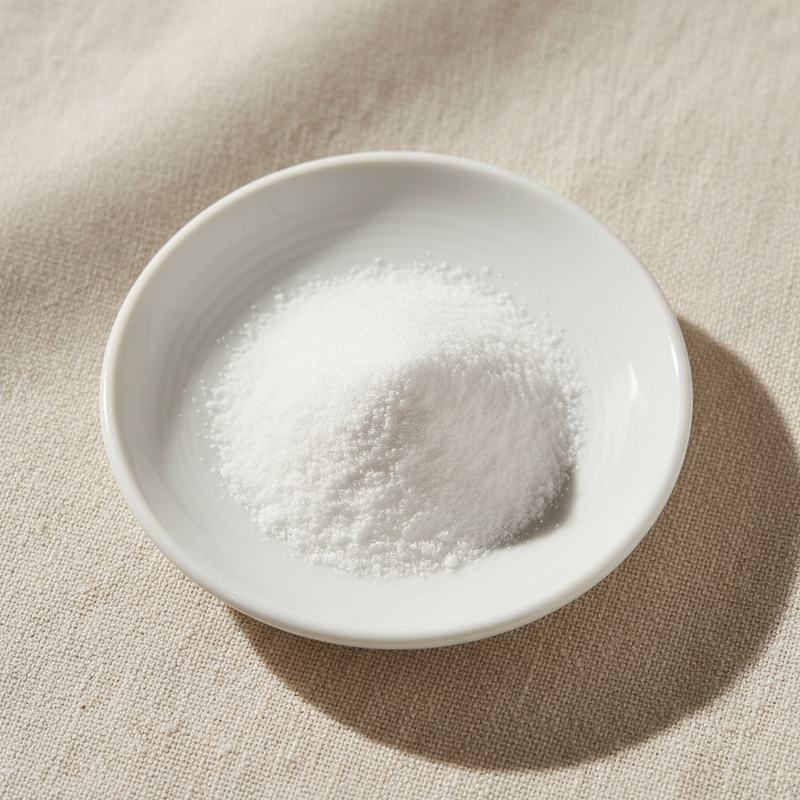
White to off-white waxy solid or flake. Melts cleanly above 55 °C and disperses in warm water with mild emulsifier action.
We supply food-grade and supplement-grade GML from manufacturers in China holding ISO, Halal, Kosher and other certifications relevant to the product and production.
Common market grades include GML 40% (technical grade for emulsification), GML 90% (the standard specialty supplement grade), and GML 95% (pharmaceutical and high-end nutraceutical grade). Powder, flake, and pearl formats are available.
Bulk and reduced-MOQ shipments. Batch-level COA covering monoester assay, free glycerol, free fatty acid, melting range, and microbiology.
Introduction
Glycerol monolaurate is the monoester formed between glycerol and lauric acid, a 12-carbon saturated fatty acid abundant in coconut and palm kernel oils. The compound is present naturally in human breast milk at significant concentrations and is considered a contributor to the antimicrobial protection of the infant gut.
Commercial GML is produced by direct esterification of glycerol with lauric acid under controlled temperature and catalysis, or by glycerolysis of trilaurin. The crude product is purified to specialty-grade material at 90 to 95 percent monoester.
GML is approved as a food additive in many jurisdictions for use as an emulsifier, and is classified as Generally Recognized as Safe in the United States for designated applications.
Antimicrobial activity against gram-positive bacteria, enveloped viruses, and selected fungi is documented in laboratory and animal studies, supporting its position in immune-support supplement positioning. Activity is concentration-dependent and not equivalent to a regulated antimicrobial drug claim.
The compound's dual functionality as emulsifier and bioactive distinguishes it from purely structural lipids and supports its premium positioning in functional and clinical nutrition markets.
Where it is used
- Functional supplements positioned for immune support based on antimicrobial activity
- Functional confectionery, chews, and lozenges
- Functional dairy and beverage applications at low inclusion levels
- Food emulsifier in baked goods, margarine, and dairy alternatives
- Cosmetic emulsifier and antimicrobial functional ingredient
- Pet supplements and animal nutrition for immune and metabolic support
- Pharmaceutical excipient applications including topical formulations
Technical data
| Item | Specification |
|---|---|
| Appearance | White to off-white waxy solid or flake |
| Monoester content | ≥ 90.0% |
| Free glycerol | ≤ 1.0% |
| Free fatty acid (as lauric) | ≤ 2.0% |
| Melting range | 55 °C to 65 °C |
| Iodine value | ≤ 1.0 |
| Acid value | ≤ 4.0 mg KOH/g |
| Saponification value | 210 to 230 mg KOH/g |
| Heavy metals (as Pb) | ≤ 1 mg/kg |
Related ingredients
Ready to discuss business?
Send us your spec and requirement. We will respond with availability and pricing within 24 hours.