Description
A monoglyceride ester of lauric acid and glycerol, with combined emulsifier, structuring, and antimicrobial activity in food and personal-care systems. Used at low dose for fat-crystal modification and at higher dose where antimicrobial action against gram-positive bacteria is desired.
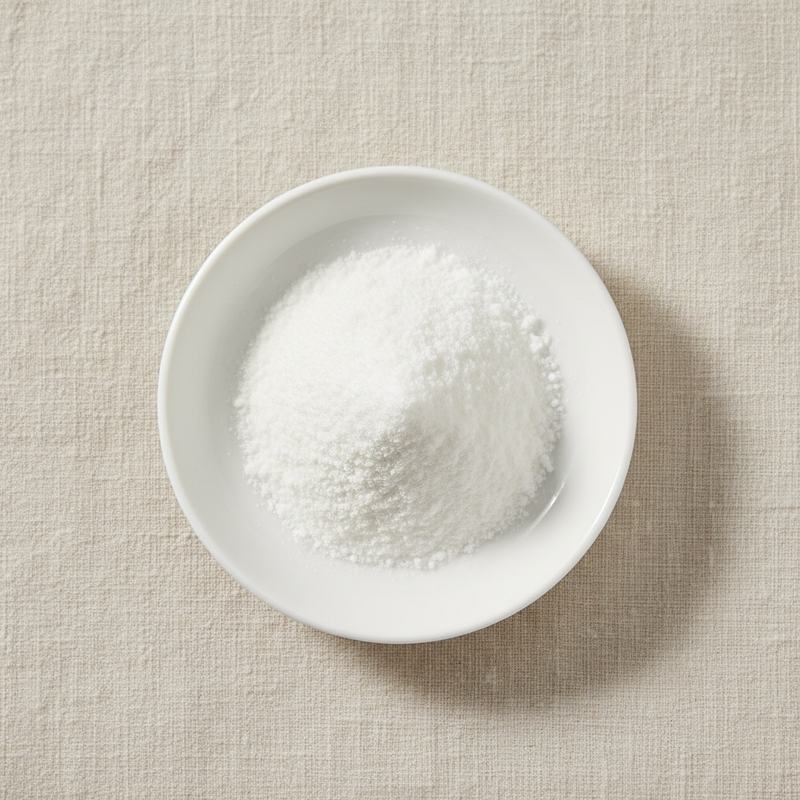
White to pale yellow waxy solid or flake. Limited water solubility, dispersing in oil and forming micellar systems in aqueous emulsions.
We supply food-grade Glycerol Monolaurate from manufacturers in China holding ISO, Halal, Kosher and other certifications relevant to the product and production. Non-GMO and palm-derived versus coconut-derived feedstocks are available on request.
Common market grades include 40 percent monoester (standard food emulsifier), 70 percent monoester (high-functional grade), and 90 percent monoester (premium grade for antimicrobial and lipid-structuring use).
Bulk and reduced-MOQ shipments. Batch-level COA covering monoester content, free glycerol, acid value, iodine value, heavy metals, and microbiology.
Introduction
Glycerol monolaurate is a naturally occurring component of human breast milk and coconut-derived monoglyceride mixtures, where it contributes to the antimicrobial protection of nursing infants.
Industrial production proceeds by direct esterification of glycerol with lauric acid, or by glycerolysis of coconut or palm-kernel oil, followed by molecular distillation to enrich the monoester fraction. Higher monoester purity yields stronger antimicrobial function at the cost of reduced bulk emulsification performance.
Recognized as Generally Recognized as Safe by the U.S. FDA in 21 CFR 184.1505 (mono- and diglycerides), regulated as part of E471 in the EU, and approved by JECFA without a numerical Acceptable Daily Intake limit.
The dual function as emulsifier and antimicrobial is the principal differentiator from generic mono- and diglycerides. At dose levels of 0.05 to 0.5 percent in finished food, GML can replace some preservative load while contributing texture and shelf-life function, supporting cleaner ingredient declarations in finished products.
Where it is used
- Bakery shortenings and margarine; modifies fat-crystal habit and improves spreadability
- Ice cream and frozen desserts; emulsifier for fat phase and stabilizer for overrun
- Whipped toppings and aerated desserts; foam stabilization at low dose
- Coffee creamers and non-dairy whitening systems; emulsifies vegetable fat into protein matrix
- Nutraceutical and dietary supplement capsules; antimicrobial activity against gram-positive flora
- Cosmetic and personal-care emulsions; co-emulsifier in creams and lotions
- Plant-based meat and dairy analogues; structures fat phase and supports juiciness
- Meat and seafood preservation; surface antimicrobial in dipping and spray applications
Technical data
| Item | Specification |
|---|---|
| Appearance | White to pale yellow waxy solid or flake |
| Monoester content | ≥ 40.0% (standard) up to ≥ 90.0% (premium) |
| Free glycerol | ≤ 7.0% (standard) or ≤ 1.0% (premium) |
| Acid value | ≤ 4.0 mg KOH/g |
| Iodine value | ≤ 3.0 g I₂/100 g |
| Saponification value | 200 to 245 mg KOH/g |
| Melting range | 55 °C to 65 °C |
| Heavy metals (as Pb) | ≤ 5 mg/kg |
| Arsenic | ≤ 2 mg/kg |
| Total plate count | ≤ 1000 cfu/g |
Related ingredients
Ready to discuss business?
Send us your spec and requirement. We will respond with availability and pricing within 24 hours.