Description
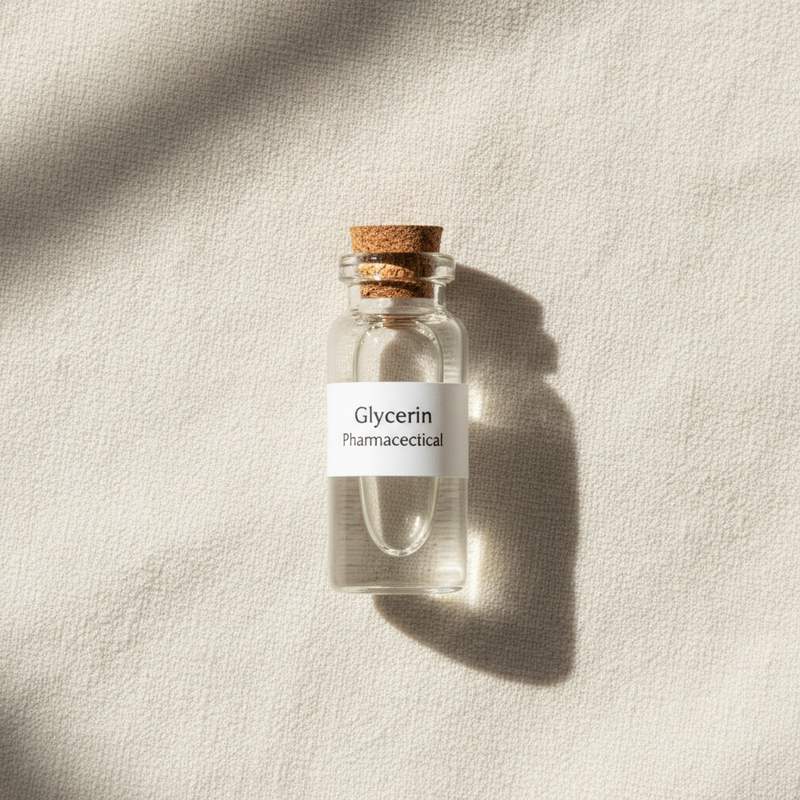
USP/EP/JP/BP pharmaceutical-grade glycerin, the highest specification class of glycerol available in commercial trade. Produced from refined vegetable oils by hydrolysis or transesterification, with stringent diethylene glycol and ethylene glycol limits.
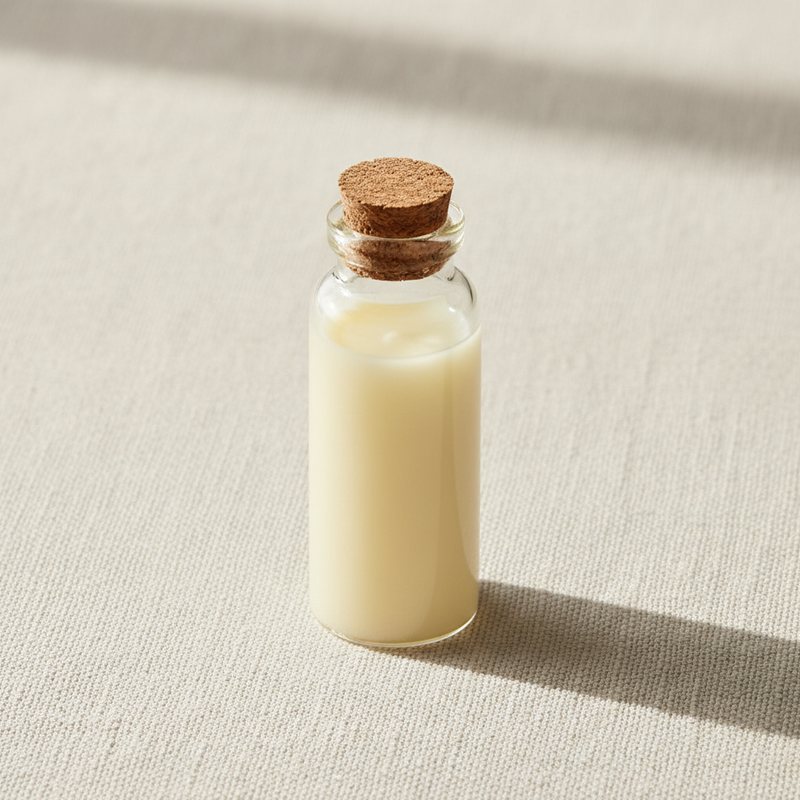
Clear, colorless, viscous syrupy liquid with a sweet taste and no characteristic odor. Hygroscopic and miscible with water and ethanol in all proportions.
We supply pharmaceutical-grade Glycerin from manufacturers in China holding ISO, Halal, Kosher and other certifications relevant to the product and production.
Common market specifications include Glycerin USP 99.5% min, EP 99.5% min anhydrous basis, JP and BP equivalents, and the higher-purity 99.7% material requested for parenteral and ophthalmic excipient use. Kosher and Halal documentation are standard.
Bulk and reduced-MOQ shipments. Batch-level COA covering glycerol assay, water content, residue on ignition, heavy metals, and the critical diethylene glycol and ethylene glycol limits.
Introduction
Glycerin (glycerol) is a three-carbon polyol that occurs naturally as the backbone of all triglyceride fats. Commercial glycerin is produced either as a co-product of soap and biodiesel manufacture or by direct hydrolysis of refined vegetable oils.
Pharmaceutical-grade glycerin is distinguished from food and technical grades by the diethylene glycol (DEG) and ethylene glycol (EG) limits, set at 0.10 percent maximum in USP and EP monographs following historical contamination incidents that caused serious patient harm in the 1930s and again in subsequent decades.
Production for pharmaceutical use is typically by hydrolysis of refined vegetable oils followed by vacuum distillation and bleaching. The finished product is sealed under inert atmosphere to prevent moisture pickup.
Listed in USP, EP, JP, and BP pharmacopoeias as a pharmaceutical excipient with detailed identity and purity tests. The European Pharmacopoeia monograph specifies the DEG and EG limits, identity by infrared spectroscopy, and assay by potassium periodate oxidation.
The compound's combination of sweet taste, low toxicity, broad solvent properties, and humectant action underpins its position as one of the most widely used excipients in pharmaceutical manufacturing globally.
Where it is used
- Pharmaceutical syrups, oral solutions, and elixirs as a sweetener and viscosity modifier
- Cough syrups, pediatric medications, and over-the-counter oral liquids
- Toothpaste and mouthwash formulations at pharmaceutical specification
- Topical creams, ointments, and gels as a humectant
- Suppositories and rectal formulations
- Ophthalmic and otic preparations at the highest purity grade
- Veterinary pharmaceutical applications
- Compounding pharmacy and hospital preparation
Technical data
| Item | Specification |
|---|---|
| Appearance | Clear colorless viscous syrupy liquid |
| Glycerol assay (anhydrous basis) | ≥ 99.5% |
| Water content | ≤ 0.5% |
| Specific gravity (20/20 °C) | 1.2620 to 1.2630 |
| Residue on ignition | ≤ 0.01% |
| Diethylene glycol | ≤ 0.10% |
| Ethylene glycol | ≤ 0.10% |
| Heavy metals (as Pb) | ≤ 5 mg/kg |
| Chloride | ≤ 10 mg/kg |
Related ingredients
Ready to discuss business?
Send us your spec and requirement. We will respond with availability and pricing within 24 hours.