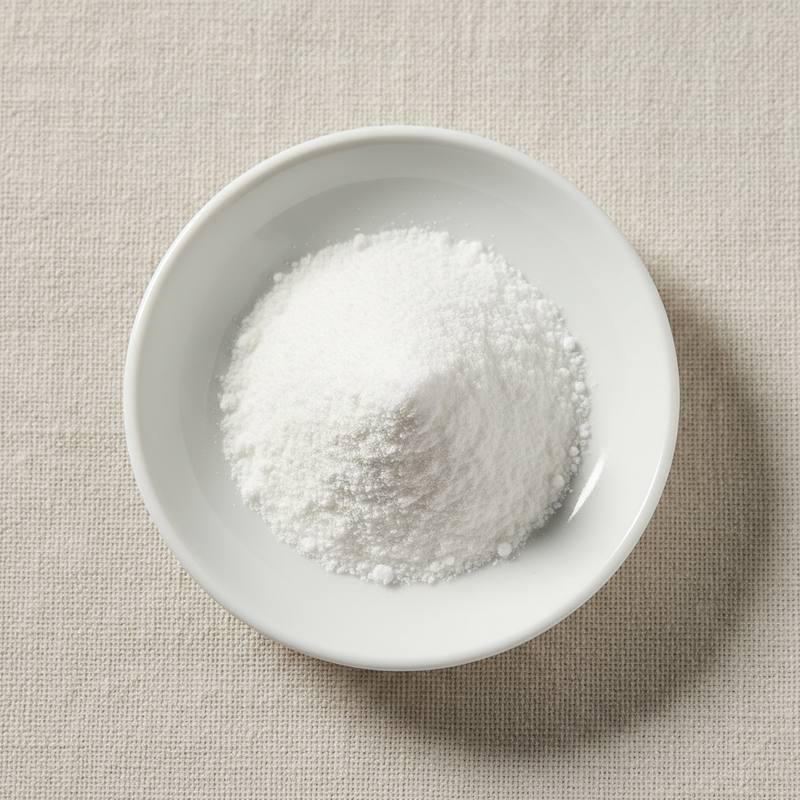
Description
Highly purified glucomannan powder produced from the corm of Amorphophallus konjac. Standardized to 95 percent or higher glucomannan content, providing maximum viscosity development and clinical activity at the lowest inclusion levels.
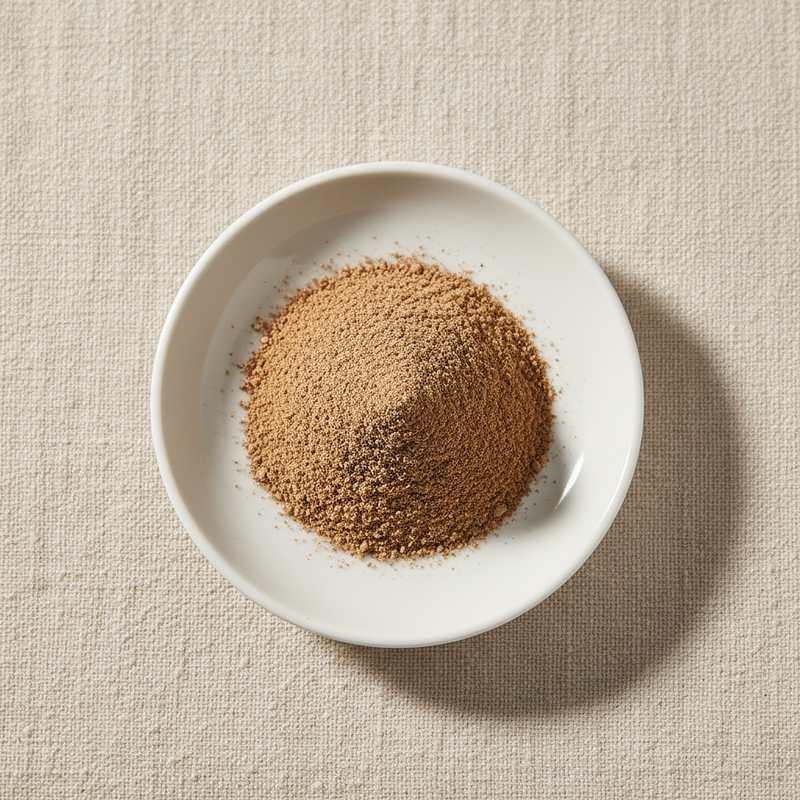
White to off-white free-flowing powder. Faint characteristic odor. Forms an exceptionally viscous solution on hydration; one of the most viscous food-grade fibers known.
We supply food-grade Glucomannan Konjac Powder from manufacturers in China holding ISO, Halal, Kosher and other certifications relevant to the product and production. China is the dominant global producer of konjac, with cultivation centered in Sichuan, Yunnan, and Shaanxi.
Common market grades include premium 95% glucomannan ultra-fine, standard 90% glucomannan food grade, and viscosity-specified grades for clinical and supplement applications targeting weight-management labels.
Bulk and reduced-MOQ shipments. Batch-level COA covering glucomannan content, viscosity, sulfur dioxide residue, heavy metals, and microbiology.
Introduction
Konjac glucomannan is a hetero-polysaccharide of glucose and mannose linked beta(1,4) with the highest molecular weight among commonly used food-grade fibers, up to 1.5 million daltons. The corm of Amorphophallus konjac has been cultivated in China and Japan for centuries as a traditional food.
The viscosity development is extraordinary: a 1 percent solution can reach 35,000 mPa-s or higher, an order of magnitude greater than typical hydrocolloids. This drives both the textural utility in shirataki noodles and konjac jelly, and the satiety-promoting effect underpinning weight-management positioning.
The EU has approved a health claim for konjac glucomannan and weight reduction at 3 grams daily in the context of an energy-restricted diet. The compound is also approved for cholesterol-management claims in some markets.
The principal safety consideration is choking and esophageal-obstruction risk when consumed dry or with insufficient water. Capsule products carry warnings about consumption with adequate water, and small-piece jelly products have been restricted in some markets following choking incidents.
Where it is used
- Weight-management capsules with appetite-suppression positioning (where regulatory health claims apply)
- Shirataki-style noodles and plant-based foods
- Glycemic-management and cholesterol-management supplements
- Functional jellies and konjac-based gel desserts
- Plant-based meat alternatives as a binder
- Vegetable-based gelling systems
- Co-formulation with chitosan and other satiety ingredients
- Bulk laxative and constipation-management products
Technical data
| Item | Specification |
|---|---|
| Appearance | White to off-white powder |
| Glucomannan content (dry basis) | ≥ 95.0% |
| Viscosity (1% solution) | ≥ 28,000 mPa-s |
| Moisture | ≤ 10.0% |
| Ash | ≤ 3.5% |
| SO2 residue | ≤ 0.9 g/kg |
| Heavy metals (as Pb) | ≤ 2 mg/kg |
| Arsenic | ≤ 1 mg/kg |
| Total plate count | ≤ 5000 cfu/g |
Related ingredients
Ready to discuss business?
Send us your spec and requirement. We will respond with availability and pricing within 24 hours.